




What's Happening?
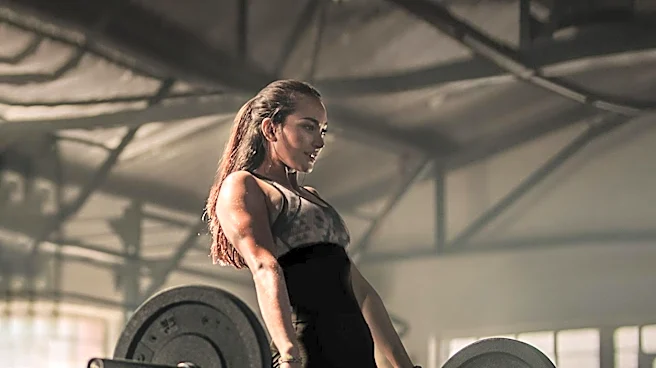
A Canadian YouTuber, Makari Espe, undertook a four-week weightlifting challenge, increasing her training frequency from two 20-minute sessions per week to five 30-minute sessions weekly. Her goal was to become 'harder, better, faster, and stronger.' Before
and after the challenge, Espe recorded her strength metrics, including plank hold duration, chin-ups, push-ups, and shoulder press weight and repetitions. By the end of the 28 days, she demonstrated measurable improvements in all these areas. For instance, her plank hold increased from 1:30 to 2:00 minutes, chin-ups from 2 to 4, push-ups from 10 to 15, and shoulder press weight from 10 lbs to 15 lbs while maintaining 25 repetitions. She utilized the Peloton app for her workout routines, starting with a beginner 5-day program and progressing to intermediate programs for the subsequent weeks. Throughout the challenge, she documented her experiences, including initial struggles with delayed-onset muscle soreness (DOMS) and fatigue, which she managed through active recovery methods like cycling, swimming, and stretching. She also noted the importance of nutrition in boosting her energy levels as the challenge progressed.
Why It's Important?
This personal fitness journey highlights the significant physical and mental benefits that can be achieved through consistent and structured weight training, even within a relatively short timeframe. Espe's experience demonstrates that increased training frequency and intensity can lead to measurable strength gains, which can be a motivating factor for individuals looking to improve their physical fitness. Beyond the physical transformations, the story emphasizes the development of mental resilience and an improved mindset, suggesting that fitness challenges can contribute to overall well-being. The use of a popular fitness app like Peloton also underscores the accessibility of structured workout programs, making such challenges attainable for a wider audience. This narrative can inspire others to embark on similar fitness endeavors, showcasing that dedication to a fitness regimen can yield substantial improvements in both physical capability and mental fortitude, ultimately enhancing quality of life.
What's Next?
Individuals inspired by Espe's journey may consider adopting similar structured fitness challenges, potentially utilizing fitness apps or seeking guidance from personal trainers to tailor routines to their specific goals and current fitness levels. The emphasis on active recovery and nutrition suggests that future fitness endeavors will likely continue to integrate these holistic approaches for optimal results and injury prevention. As more people share their fitness transformations, there could be a continued rise in interest in short-term, intensive fitness challenges designed to achieve specific outcomes. Fitness platforms and content creators may further develop and promote such challenges, offering diverse programs to cater to various fitness levels and objectives. The focus on both physical and mental gains could also lead to a broader understanding and promotion of fitness as a comprehensive well-being practice.
Beyond the Headlines
Espe's story subtly touches upon the psychological aspects of fitness, particularly the battle against self-doubt and the joy derived from feeling strong. This goes beyond mere physical aesthetics, emphasizing the intrinsic rewards of exercise. The narrative also highlights the growing trend of individuals sharing their fitness journeys on platforms like YouTube, fostering a community of support and accountability. This digital aspect of fitness challenges can create a powerful feedback loop, where personal achievements inspire others, and shared experiences provide motivation. Furthermore, the reliance on a fitness app like Peloton points to the increasing integration of technology into personal health and wellness, making expert-designed workouts more accessible. This shift could lead to a re-evaluation of traditional fitness models, with a greater emphasis on personalized, app-driven programs that cater to individual schedules and preferences, ultimately democratizing access to structured fitness guidance.