





What's Happening?
The Michelin Guide has recently updated its hotel ratings for 2026, recognizing 65 U.S. hotels with its Key system. Among these, 10 properties achieved or were upgraded to the prestigious Two Key rating, the highest tier awarded in this batch. This system,
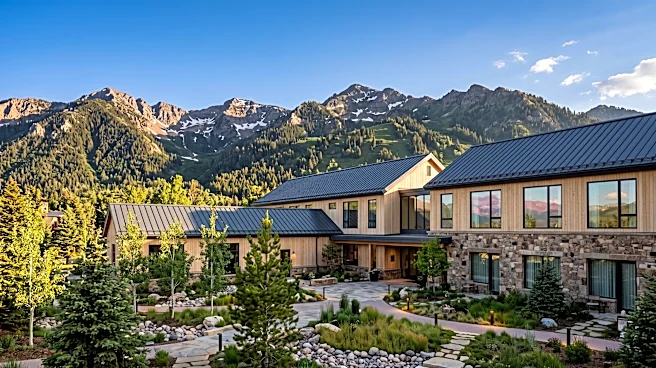
designed to provide an independent assessment of hotel quality, aims to differentiate truly exceptional accommodations from those merely claiming five-star status. The Swag in North Carolina, noted for its use of reclaimed wood from a 1785 church, and The Lodge at Blue Sky in Utah, situated on 3,500 acres of private land, are two examples of U.S. hotels that received a Two Key upgrade. The Michelin Guide's approach involves anonymous inspectors who evaluate properties based on service standards, sense of place, room quality, and curated experiences, moving beyond self-reported reviews and marketing claims.
Why It's Important?
This recognition by the Michelin Guide is significant for the U.S. luxury hospitality sector. In an industry where 'five-star' ratings have become ubiquitous and often lack independent verification, the Michelin Key system provides a credible benchmark for quality. For consumers, particularly those spending hundreds of dollars per night, this offers a more reliable filter to identify genuinely luxurious and exceptional stays, reducing the risk of disappointment from properties that overstate their quality. For the recognized hotels, a Michelin Key rating can enhance their prestige, attract discerning travelers, and potentially increase bookings and revenue. It also encourages other hotels to elevate their standards to meet these rigorous criteria, fostering a competitive environment focused on delivering superior guest experiences rather than just marketing. The emphasis on unique characteristics, such as The Swag's historical materials or The Lodge at Blue Sky's expansive natural setting, highlights a growing consumer demand for authentic and distinctive luxury experiences.
What's Next?
The Michelin Guide's continued expansion and refinement of its hotel rating system suggest a growing trend towards independent, expert-driven evaluations in the hospitality industry. Hotels that received Two Key ratings are likely to leverage this recognition in their marketing efforts, potentially leading to increased visibility and demand. Other luxury hotels in the U.S. may intensify their efforts to meet Michelin's criteria, focusing on enhancing service, unique design, and curated guest experiences to earn future Key ratings. This could lead to a broader elevation of standards across the U.S. luxury hotel market. Travelers will likely increasingly rely on these Key ratings when making booking decisions, shifting away from less reliable self-reported reviews. The Michelin Guide may also expand its coverage to more U.S. cities and regions, further influencing the competitive landscape and consumer choices in luxury travel.
Beyond the Headlines
The introduction and emphasis on the Michelin Key system for hotels reflect a deeper shift in consumer expectations within the luxury travel market. Beyond opulent amenities, travelers are increasingly seeking authenticity, unique experiences, and a genuine sense of place. The Michelin Guide's criteria, which prioritize elements like 'anticipatory service,' 'strong sense of place,' and 'curated experiences,' speak to this evolving demand. This move also highlights a broader industry challenge: the erosion of trust in traditional rating systems and self-promotional claims. By providing an independent and rigorous evaluation, the Michelin Guide is attempting to restore credibility and transparency, which could have long-term implications for how luxury services are marketed and perceived. It also underscores the value of craftsmanship and thoughtful design, as exemplified by properties like The Swag, suggesting that heritage and sustainability can be as important as modern extravagance in defining luxury.