


What's Happening?
Home organization is being highlighted as a crucial aspect of creating functional and comfortable living environments. The focus is on practical systems that reduce clutter, maximize available space, and simplify daily routines. This involves utilizing
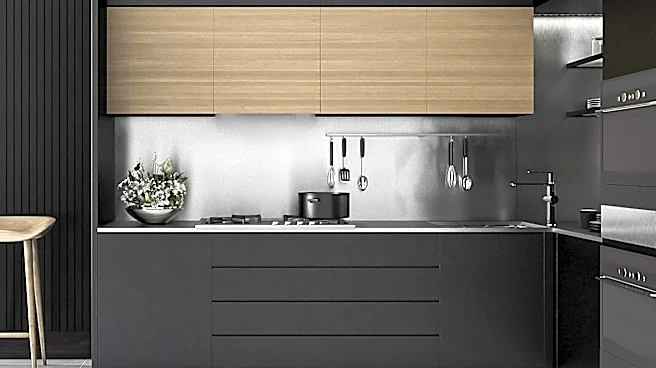
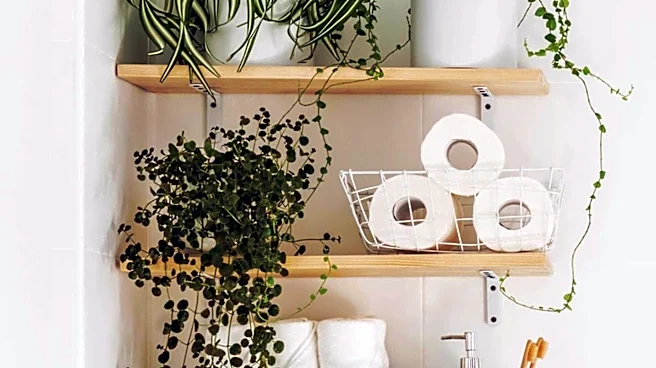
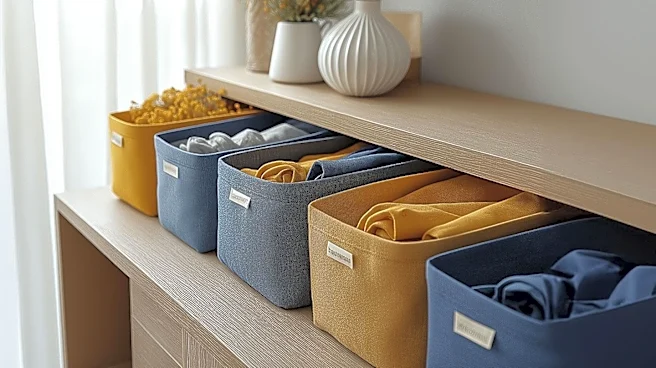
various storage solutions across different areas of the home, including kitchens, closets, bathrooms, and laundry rooms. Key strategies include using pantry organizers, cabinet shelves, spice racks, drawer dividers, and food storage containers in the kitchen to keep essentials accessible and surfaces clear. For closets, storage baskets, shoe racks, hanging organizers, and drawer dividers are recommended to manage clothing and accessories. In bathrooms, shower caddies, vanity organizers, and wall-mounted shelves help keep toiletries and essentials tidy. The overarching goal is to make homes more manageable and efficient, regardless of their size, by implementing thoughtful organization techniques and products.
Why It's Important?
The emphasis on home organization is significant for U.S. households as it directly impacts daily efficiency, mental well-being, and the functionality of living spaces. A well-organized home can lead to less everyday clutter, better utilization of space, and easier daily routines, ultimately creating a more comfortable and welcoming environment. This trend benefits consumers by offering practical solutions to common household challenges, such as limited storage or difficulty finding items. Industries related to home goods, storage solutions, and interior design stand to gain from increased demand for organizing products and services. Conversely, individuals who struggle with organization may experience increased stress and inefficiency, highlighting the importance of adopting these strategies for improved quality of life. The market for home organization products, from simple containers to complex shelving systems, is likely to see continued growth as more consumers seek to optimize their living spaces.
What's Next?
The home organization trend is expected to continue evolving with a focus on adaptable and flexible solutions. Consumers will likely seek out products that offer modularity, adjustability, and multi-functionality to cater to changing needs and diverse living situations, particularly in smaller homes and apartments. The market will likely see further innovation in space-saving designs, such as under-bed storage, over-the-door organizers, and furniture with hidden compartments. There will also be a continued emphasis on sustainable and aesthetically pleasing organization options. Retailers and manufacturers are anticipated to expand their offerings to meet these demands, providing a wider range of products that combine practicality with design. Educational resources and online content promoting effective organization techniques will also likely grow, empowering more individuals to implement these strategies in their homes.
Beyond the Headlines
Beyond the immediate benefits of tidier spaces, the focus on home organization reflects a broader cultural shift towards intentional living and mindfulness in the U.S. The act of decluttering and organizing can be seen as a form of self-care, contributing to reduced stress and improved mental clarity. This movement also touches upon consumer behavior, encouraging more thoughtful purchasing decisions and a move away from excessive accumulation. Ethically, the emphasis on organization can promote sustainability by encouraging individuals to assess their belongings, reduce waste, and make the most of what they already own. Legally, while not directly impacted, the rise of home organization services and products could lead to new business models and consumer protection considerations. Culturally, the organized home is increasingly viewed as an ideal, influencing interior design trends and lifestyle aspirations across various demographics.