




What's Happening?
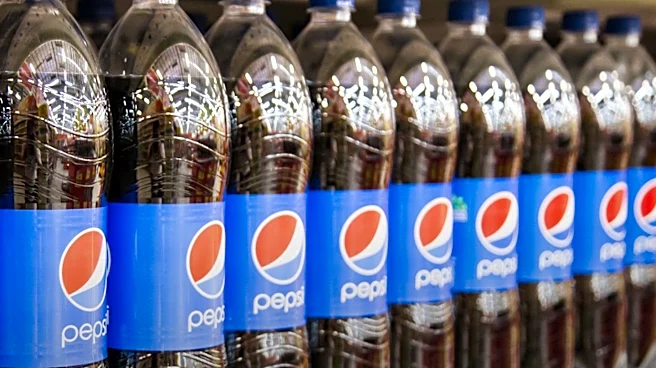
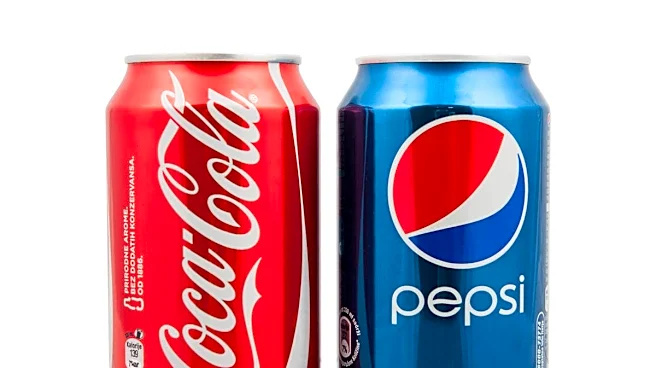
Shares of PepsiCo (NASDAQ: PEP) have experienced a decline of approximately 14% over the past six months. This downturn follows the company's third-quarter results, which, while not poor, were accompanied by a reduction in management's full-year guidance
for adjusted earnings per share. The primary reason cited for this adjustment is the slower-than-anticipated recovery of sales in North America. Earlier in the year, PepsiCo implemented price cuts of up to 15% on key brands like Lay's and Doritos to attract value-sensitive consumers. However, the company now plans to modestly raise prices in 2027, a move that could potentially impact sales again. Other contributing factors to the stock's decline include increased supply chain costs due to inflation, tariffs, and higher transportation expenses.
Why It's Important?
The 14% drop in PepsiCo's stock price reflects investor concerns regarding the company's profitability outlook, particularly in its crucial North American market. The decision to lower earnings guidance, despite earlier efforts to stimulate sales through price reductions, indicates persistent challenges in consumer demand or cost management. The planned price increases for 2027, while potentially boosting revenue, carry the risk of further alienating price-sensitive consumers and impacting sales volume. For a Dividend King like PepsiCo, which has consistently increased its dividend for over 50 years, maintaining strong financial performance is vital for income-focused investors. The current stock valuation, trading at approximately 15 times forward earnings and a price-to-sales ratio slightly under 2, suggests it may be fairly priced, but the macroeconomic headwinds pose a challenge to its defensive stock status.
What's Next?
Investors will be closely watching PepsiCo's future financial reports for signs of recovery in North American sales and the impact of the planned price increases in 2027. The company's ability to navigate ongoing supply chain inflation, tariffs, and transportation costs will be critical for its profitability. While the international business is reportedly performing well, the focus will remain on the domestic market's performance. The reduced guidance sets a lower bar for the company to clear in the upcoming quarters, which could lead to positive surprises if performance exceeds these tempered expectations. For long-term investors, the company's status as a Dividend King and its current dividend yield of over 4% may still make it an attractive option, provided it can effectively manage the current economic pressures.
Beyond the Headlines
The challenges faced by PepsiCo underscore the broader economic environment impacting consumer goods companies. Inflationary pressures on supply chains and transportation costs are squeezing margins across various industries. The delicate balance between pricing strategies to attract consumers and maintaining profitability is a constant struggle for companies in the food and beverage sector. PepsiCo's shift from price cuts to planned increases highlights the dynamic nature of market conditions and consumer behavior. The company's resilience as a 'defensive consumer goods stock' is being tested by these macroeconomic factors. The performance of such established companies often serves as an indicator of the overall health of consumer spending and the broader economy, making PepsiCo's trajectory a significant point of interest beyond its immediate financial results.