


What's Happening?
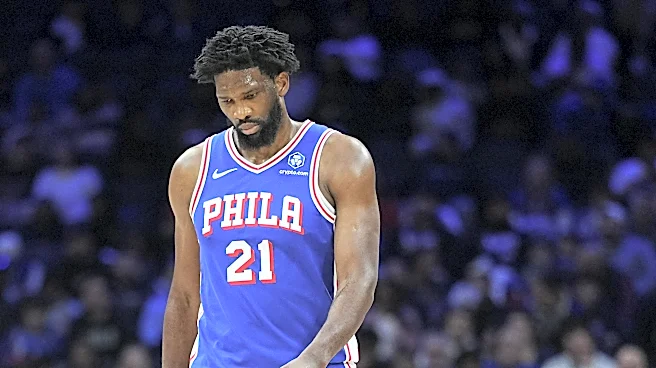
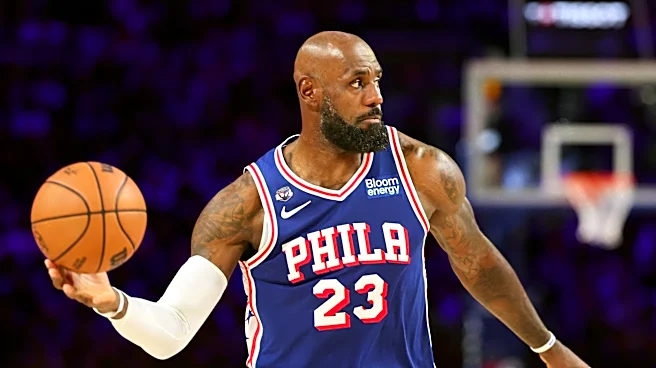
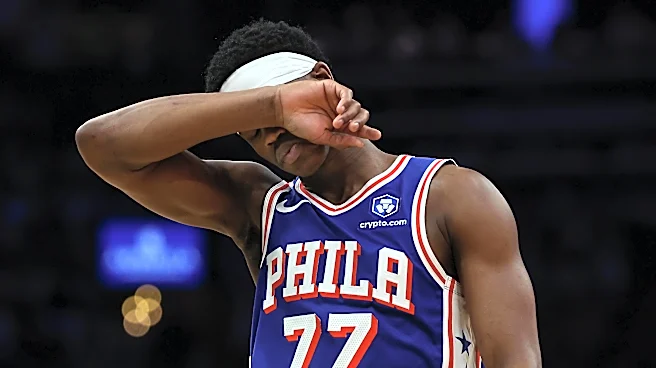
The Philadelphia 76ers, currently leading the Eastern Conference with a 9-2 record, are having a strong start to the season. Despite their success, the team is looking to potentially strengthen their roster through the buyout market after the February
11 trade deadline. However, the NBA's new draft-lottery system, designed to deter 'tanking' (intentionally losing games for better draft picks), might significantly impact the availability of players on the buyout market. According to ESPN's Tim MacMahon, several league executives are concerned that these new rules will weaken the buyout market. The new lottery system punishes teams with the three worst records by giving them lower odds for top draft picks, thereby incentivizing teams to remain competitive rather than selling off veterans for future assets. This could mean fewer veteran players on expiring contracts will be bought out by their teams, as those teams might prefer to keep them to avoid finishing with a bottom-three record.
Why It's Important?
The potential weakening of the NBA's buyout market due to new anti-tanking rules has significant implications for contending teams like the Philadelphia 76ers. Historically, the buyout market has provided an opportunity for top teams to acquire experienced veterans on prorated minimum contracts, adding crucial depth and championship experience for the playoff push. If fewer quality players become available, the 76ers and other contenders will have fewer options to address roster weaknesses or add specialized talent late in the season. This shift could force teams to rely more heavily on trade deadline acquisitions, which often involve giving up valuable assets, or to develop talent from within. The new rules aim to promote competitive balance across the league, but an unintended consequence might be a more challenging environment for top teams seeking marginal improvements, potentially making the path to a championship more arduous and reliant on early-season roster construction.
What's Next?
The Philadelphia 76ers will need to closely monitor the evolving buyout market as the February 11 trade deadline approaches. If the market is indeed weaker than in previous years, the team may need to adjust its strategy for in-season improvements. This could involve exploring more aggressive trade scenarios before the deadline, even if it means parting with more assets, or focusing on internal player development to fill any roster gaps. The situation with players like Zach LaVine, whose team controls its own 2027 first-round pick, will be a key test case for how teams respond to the new anti-tanking incentives. The NBA will also be observing the impact of these rules, as unintended consequences could lead to further adjustments in future seasons. For now, the 76ers will likely continue to assess their roster needs and potential targets, while also preparing for a scenario where the traditional buyout options are limited.
Beyond the Headlines
The NBA's anti-tanking rules and their potential impact on the buyout market highlight a broader tension in professional sports between competitive integrity and strategic team building. While the league aims to prevent teams from intentionally losing, these rules can inadvertently constrain the flexibility of both struggling and contending teams. For struggling teams, the incentive to avoid a bottom-three record might mean holding onto veterans they would otherwise buy out, potentially delaying their rebuilding efforts. For contenders, the reduced availability of buyout candidates could lead to a more concentrated talent pool, making it harder to gain a competitive edge through late-season additions. This situation underscores the complex interplay of economic incentives, draft strategy, and player movement in shaping the competitive landscape of a major sports league. It also raises questions about the long-term effects of such regulations on player mobility and the overall health of the league's talent distribution.