



What's Happening?
Sodium-ion batteries are gaining traction as a viable alternative to lithium-ion batteries, particularly for applications where cost and durability are prioritized over maximum energy density. These batteries, which use sodium ions instead of lithium ions,
are being developed by companies like CATL and are entering commercial production. Sodium is more abundant and less expensive than lithium, making sodium-ion batteries an attractive option for manufacturers aiming to reduce costs and supply chain risks. These batteries perform well in cold weather and offer enhanced safety due to their thermal stability, making them suitable for grid-scale energy storage and commercial vehicles. However, they have a lower energy density compared to lithium-ion batteries, which limits their use in long-range electric vehicles.
Why It's Important?
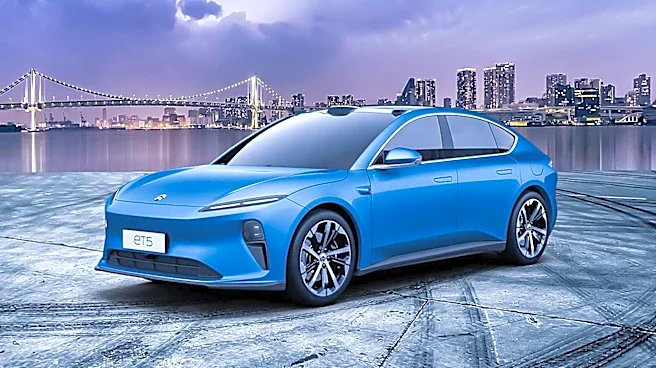
The development of sodium-ion batteries could significantly impact the electric vehicle (EV) industry and energy storage solutions by providing a more affordable and sustainable option. As lithium prices fluctuate and supply chains remain constrained, sodium-ion technology offers a way to diversify battery chemistries and reduce dependency on critical minerals. This could lead to cheaper EVs and energy storage systems, making electric mobility more accessible. Additionally, the ability to perform well in cold weather and the reduced risk of thermal runaway enhance the safety and reliability of these batteries. The introduction of hybrid battery packs combining lithium-ion and sodium-ion cells could further optimize performance and cost-effectiveness.
What's Next?
The future of sodium-ion batteries lies in their integration into specific applications where their advantages can be maximized. Affordable city EVs, delivery vans, buses, and stationary energy storage systems are likely candidates for sodium-ion technology. As research and development continue, improvements in energy density and battery management systems could expand their use. The potential for hybrid battery packs that leverage the strengths of both lithium-ion and sodium-ion chemistries could lead to more efficient and cost-effective solutions, particularly in regions with cold climates. The ongoing evolution of battery technology will likely see a diverse ecosystem where multiple chemistries coexist, each optimized for different applications.