


What's Happening?
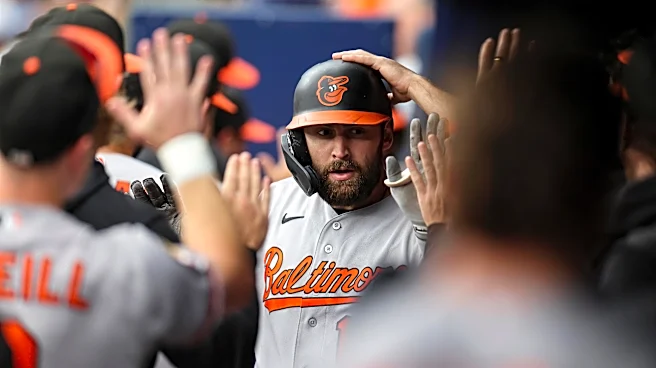
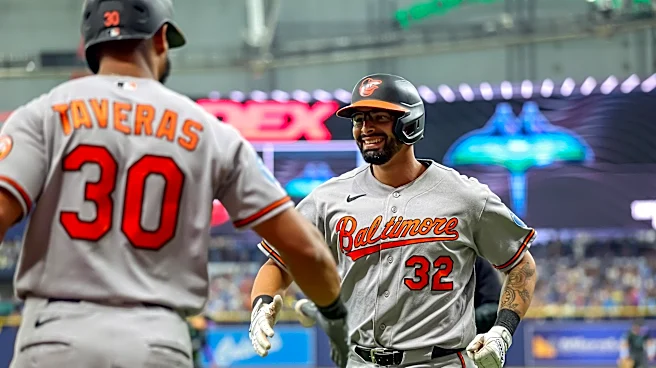
Trey Mancini, a former Baltimore Orioles player known for his emotional comebacks to Major League Baseball, has announced his retirement. Mancini confirmed his decision in a text to The Banner. His most recent attempt at a comeback brought the 34-year-old
to the Los Angeles Angels this season after a three-year absence from the majors. In early June, Mancini recorded three hits and an RBI in his first game with the Angels, playing five games before being designated for assignment. His return was particularly significant as his wife, Sara, and their daughter, Sadie, were present at Angel Stadium. Mancini's career was interrupted in 2020 when he was diagnosed with stage 3 colon cancer, leading him to miss the COVID-shortened season. He expressed immense gratitude to the Orioles athletic trainers and doctors at Johns Hopkins Hospital for saving his life through their proactive diagnosis and treatment. Mancini debuted with Baltimore in 2016, becoming a regular for three seasons before his diagnosis. Upon his return in 2021, he became a centerpiece for the rebuilding Orioles and participated in the 2021 Home Run Derby, reaching the final round. He played 92 games for Baltimore in 2022 before being traded to the Houston Astros, where he won a World Series. He later signed with the Chicago Cubs.
Why It's Important?
Trey Mancini's retirement marks the end of a notable career in Major League Baseball, characterized by both athletic achievement and a remarkable personal battle against cancer. His story serves as an inspiration within the sports community, highlighting resilience and determination. His return to baseball after a stage 3 colon cancer diagnosis was a significant moment, demonstrating the human spirit's capacity to overcome adversity. For the Baltimore Orioles, Mancini was a key player and a fan favorite, embodying the team's rebuilding efforts and providing leadership. His departure from the game will be felt by fans who followed his journey, particularly those who admired his courage and dedication. His career statistics, including a .263 batting average, 129 home runs, and 404 RBIs over 836 games, underscore his contributions to the sport. The impact of his story extends beyond statistics, resonating with individuals facing personal health challenges and emphasizing the importance of early detection and medical support.
What's Next?
Following his retirement, Trey Mancini will likely transition into a new phase of his life, potentially exploring opportunities outside of professional baseball. While the immediate next steps are not detailed, his public statement on Instagram, thanking teammates, family, coaches, and fans, suggests a reflective and grateful outlook on his career. The baseball community will undoubtedly remember his contributions, both on and off the field. His story of overcoming cancer and returning to play at the highest level will continue to be a source of inspiration. It is common for former players with such impactful careers to remain connected to the sport in various capacities, such as broadcasting, coaching, or community involvement, though Mancini's specific plans are not yet known. His focus may shift towards family life, particularly with his wife, Sara, and their daughter, Sadie, who were present for his recent comeback attempt.
Beyond the Headlines
Trey Mancini's journey transcends the typical narrative of a professional athlete's career, offering profound insights into human resilience and the intersection of personal health with professional life. His public battle with colon cancer brought significant awareness to the disease, particularly among younger demographics, and highlighted the critical role of early detection. His gratitude towards the Orioles athletic trainers who identified abnormalities in his blood test underscores the importance of comprehensive medical care and vigilance in sports organizations. Mancini's story also sheds light on the emotional toll and mental fortitude required to return to elite-level competition after a life-threatening illness. His ability to not only return but also contribute to a World Series-winning team with the Houston Astros speaks volumes about his dedication and mental strength. This narrative serves as a powerful reminder that athletes are not just performers but individuals facing real-world challenges, and their stories can inspire far beyond the confines of the playing field.