




What's Happening?
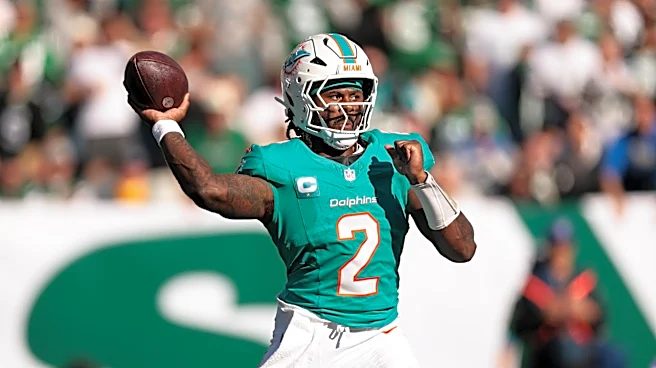
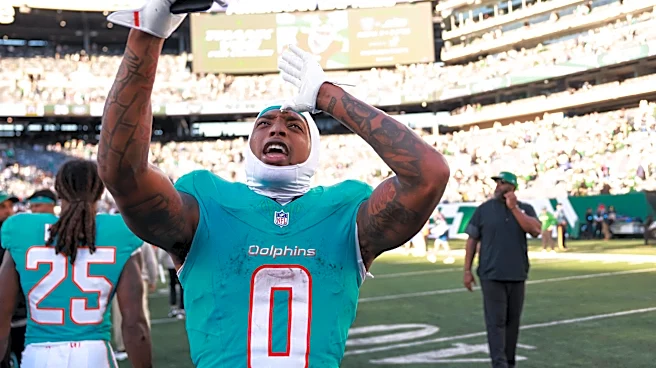
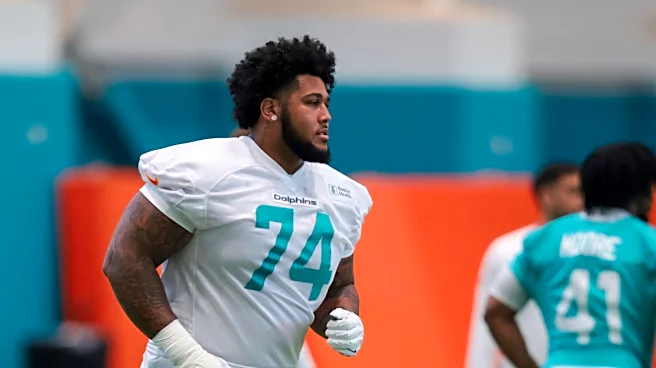
The Miami Dolphins are heavily relying on their rookie class, with 13 first-year players on their 53-man roster, due in part to significant salary cap constraints, with 60% of their cap being dead money. Head coach Jeff Hafley has explicitly mandated
that his coaching staff prioritize the development of these young players. This approach acknowledges that not all rookies will progress at the same pace, and their roles may evolve throughout the season. The team emphasizes practical readiness, requiring players to demonstrate mental and physical capability to execute assignments. Special teams play is highlighted as a crucial evaluation area, where strong performance can lead to expanded opportunities on offense or defense. Coaches like Ron Middleton are specifically recognized for their contributions to this development process, ensuring that teaching translates directly into on-field performance.
Why It's Important?
This strategic focus on rookie development by the Miami Dolphins carries significant implications for the team's immediate and long-term competitiveness in the NFL. With a substantial portion of their salary cap tied up in dead money, effectively integrating and developing young talent is not merely a preference but a necessity for financial sustainability and on-field success. The emphasis on practical readiness and special teams performance as a pathway to larger roles provides a clear framework for rookies to earn playing time, potentially accelerating their impact. This approach could serve as a model for other NFL teams facing similar cap challenges, demonstrating how to build a competitive roster through internal growth rather than relying heavily on expensive veteran acquisitions. The success or failure of this development mandate will directly influence the Dolphins' ability to contend in the coming seasons and could reshape their organizational philosophy.
What's Next?
The Miami Dolphins will continue to integrate their 13 rookies into the team, with ongoing coaching and evaluation determining their evolving roles. Head coach Jeff Hafley's mandate for development suggests that opportunities for these young players will likely increase as the season progresses, provided they demonstrate readiness and capability. The team will monitor individual player growth, with specific attention to how their performance in areas like special teams translates into expanded responsibilities on offense or defense. The effectiveness of the coaching staff in nurturing this talent will be under scrutiny, as it directly impacts the team's ability to overcome its salary cap limitations. Future roster decisions and strategic planning will undoubtedly be influenced by the success of this rookie development initiative, potentially leading to more long-term contracts for promising young players.
Beyond the Headlines
The Dolphins' situation highlights a broader trend in professional sports where financial constraints, such as significant dead cap space, force teams to innovate in talent management. This emphasis on internal development, particularly for rookies, underscores a shift from immediate, high-cost veteran acquisitions to a more sustainable, growth-oriented model. It also brings to light the critical role of coaching in modern sports, where the ability to cultivate raw talent becomes as valuable as scouting and drafting. Ethically, it places a greater responsibility on coaching staffs to provide comprehensive support and training, ensuring young athletes are not just physically prepared but also mentally equipped for the demands of professional play. This approach could foster a more resilient and cohesive team culture, as players grow together within the system, potentially leading to sustained success and a stronger organizational identity.