







What's Happening?
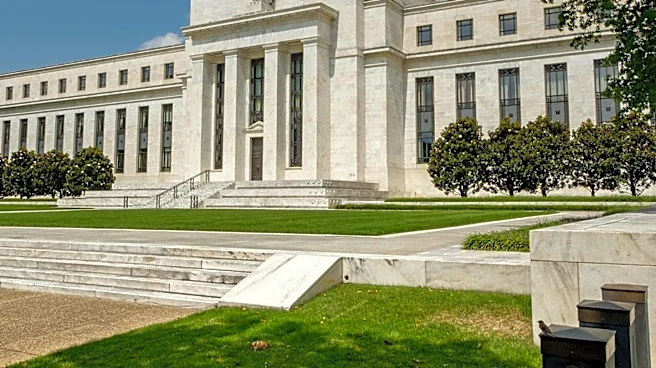
Alan Greenspan, former Chairman of the Federal Reserve, passed away at the age of 100. During his tenure from 1987 to 2006, Greenspan was known for maintaining the Fed's independence and guiding the U.S. economy through significant periods of expansion
and stress. His leadership style emphasized resisting political pressures and maintaining economic stability, which helped anchor public confidence in the institution. Greenspan's approach contributed to a period known as the 'great moderation,' characterized by stable economic growth. However, his belief in lightly regulated markets faced criticism following the 2008 financial crisis, which exposed vulnerabilities in the financial system.
Why It's Important?
Greenspan's tenure at the Federal Reserve is notable for its impact on the institution's credibility and independence. His policies and leadership style helped establish the Fed as a trusted entity in both domestic and international markets. However, the financial crisis that followed his departure highlighted the limitations of his regulatory philosophy, leading to a reevaluation of market oversight. Greenspan's legacy continues to influence current economic policies and debates about the balance between regulation and market freedom. His death marks the end of an era for the Federal Reserve, as the institution navigates new challenges in a rapidly changing economic landscape.
Beyond the Headlines
The passing of Greenspan raises questions about the future of the Federal Reserve's independence in an era of increasing political polarization. As public trust in institutions declines, the Fed's ability to maintain its autonomy and effectiveness is crucial. Greenspan's legacy serves as a reminder of the importance of experienced technocratic leadership in managing complex economic systems. The current economic environment, marked by technological advancements and global interconnectedness, presents new challenges that require innovative approaches to monetary policy and regulation.