




What's Happening?
Home fitness routines are increasingly focusing on accessible, bodyweight-based exercises that can be performed without specialized equipment. These routines often incorporate military-style calisthenics, which target multiple fitness components such
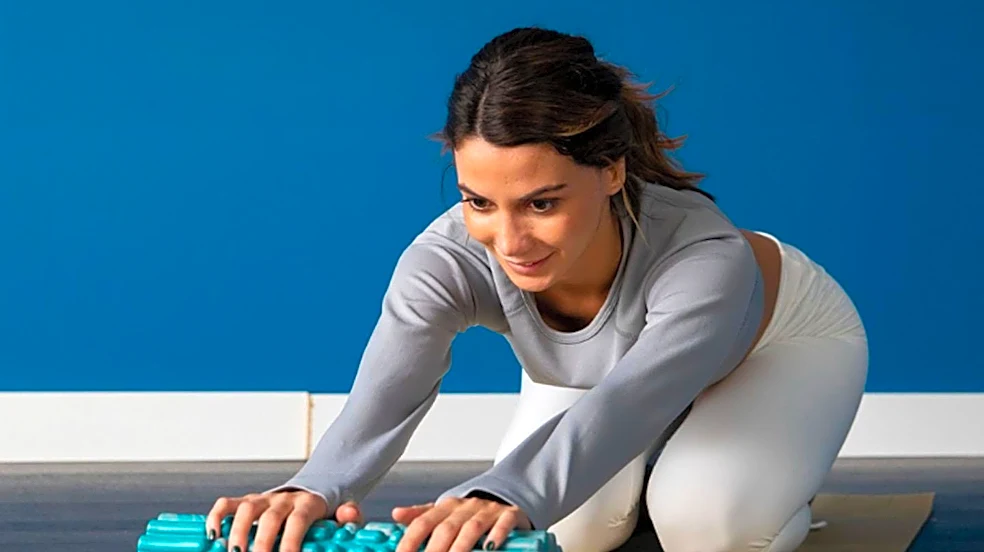
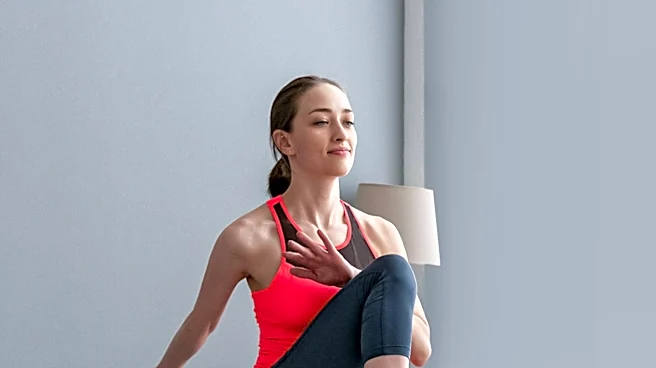
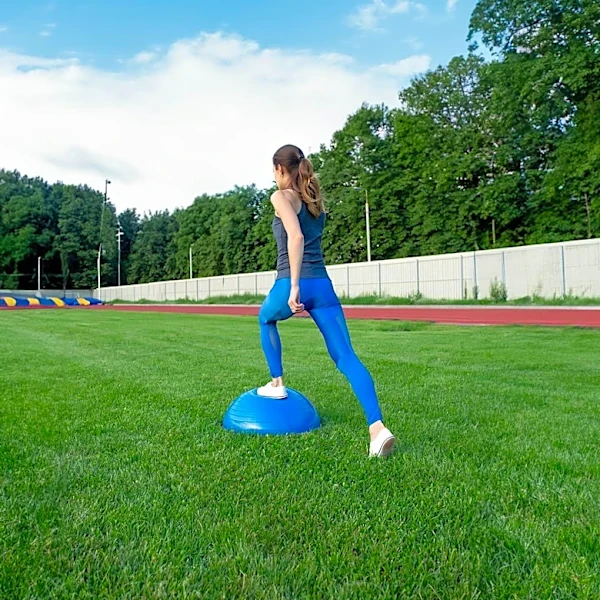
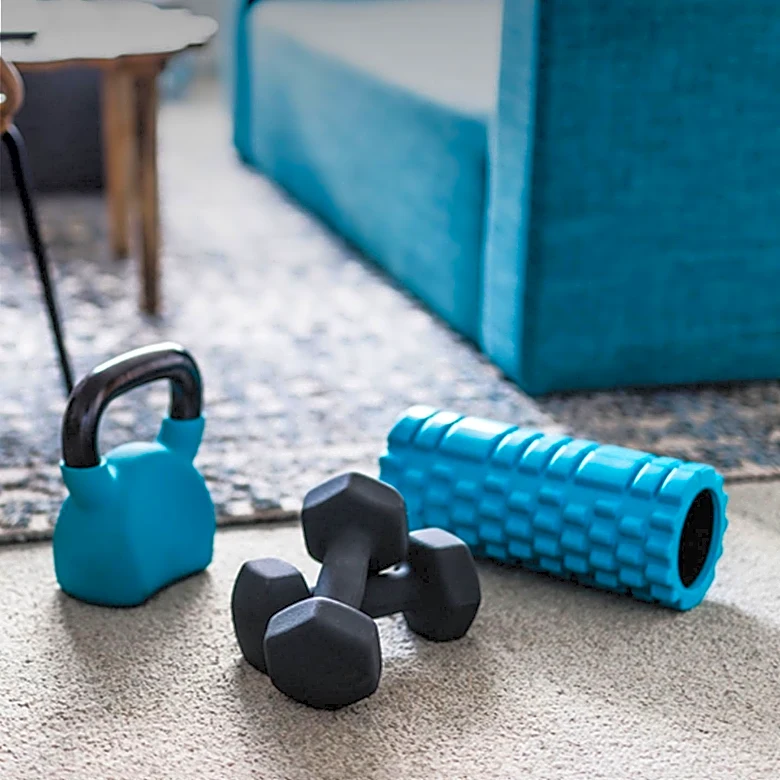
as muscular strength, endurance, and core stability. Exercises like push-ups, squats, planks, and mountain climbers are central to these programs, offering scalability for individuals at various fitness levels. For instance, a standard push-up can be modified by performing it on the knees, allowing beginners to build strength gradually. Cardio can be integrated through activities like jumping jacks, high knees, or marching in place, eliminating the need for outdoor running. The emphasis is on consistency and progressive overload, where individuals slowly increase repetitions or intensity as their fitness improves, rather than making drastic changes. These routines are designed to be flexible, allowing for workouts in small spaces and adaptable to personal schedules, typically recommending 2-3 sessions per week for beginners.
Why It's Important?
The accessibility of home fitness routines is crucial for promoting public health and well-being across the U.S. By removing barriers such as gym memberships, travel time, and the need for expensive equipment, these programs make physical activity more attainable for a broader population. This is particularly significant in an era where sedentary lifestyles are prevalent, contributing to various health issues. The focus on functional, compound movements helps individuals build practical strength and endurance, which translates to improved daily living activities and reduced risk of injury. Furthermore, the adaptability of these routines means they can be sustained long-term, fostering consistent exercise habits. This approach empowers individuals to take control of their physical health, potentially leading to a reduction in healthcare costs associated with preventable conditions and an overall healthier society.
What's Next?
The trend towards adaptable home fitness is likely to continue evolving with further integration of digital tools and personalized guidance. As more individuals seek convenient and effective ways to stay active, there will be an increased demand for online platforms, apps, and virtual coaching that can tailor bodyweight workouts to individual needs and progress. Innovations in wearable technology could also play a larger role, providing real-time feedback and motivation for home exercisers. Additionally, as understanding of exercise science grows, routines may become even more refined, incorporating specific progressions and modifications to optimize results for diverse populations, including older adults or those with specific physical limitations. The emphasis will remain on sustainable, injury-preventing practices that encourage long-term adherence to physical activity.
Beyond the Headlines
The rise of home fitness signifies a broader cultural shift towards self-sufficiency and personalized wellness. It challenges traditional notions of exercise being confined to gyms or specialized facilities, promoting a more integrated approach to health within daily life. This movement also highlights the importance of body awareness and intrinsic motivation, as individuals learn to listen to their bodies and progress at their own pace. Ethically, it democratizes fitness, making it less exclusive and more inclusive, potentially reducing health disparities linked to socioeconomic status. Long-term, this could lead to a more resilient and health-conscious society, where physical activity is viewed not as a chore but as an integral and accessible part of a balanced lifestyle, fostering greater autonomy over one's health journey.