

What's Happening?
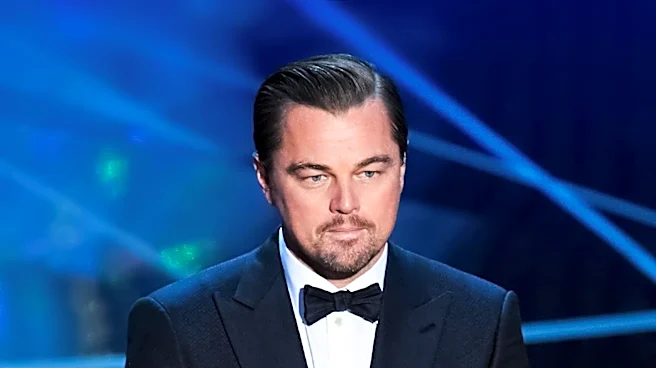
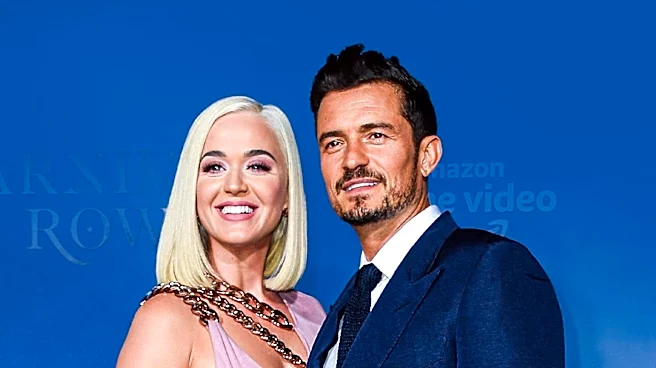
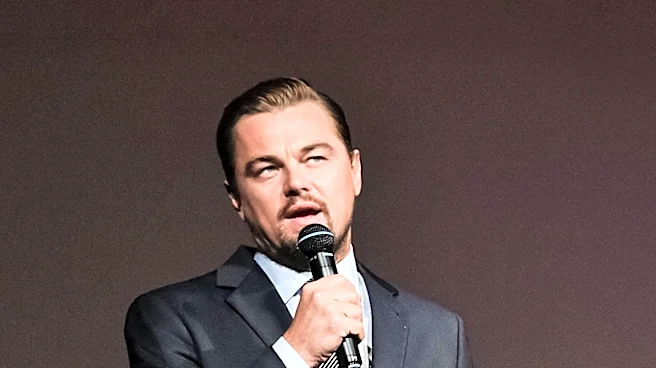
Hollywood actor Leonardo DiCaprio celebrated his 52nd birthday with an extravagant party at his Beverly Hills residence, attended by a host of celebrities including Casey Affleck, Orlando Bloom, Cara Delevingne, Justin Trudeau, and Travis Barker. His
girlfriend, Italian model Vittoria Ceretti, was also reportedly present. A notable aspect of the event, as reported by Geo News, was the arrival of a busload of young women, some of whom allegedly did not recognize DiCaprio. An insider quoted by Rob Shutter remarked, 'Some of the girls on that bus had no idea who Leo was. To them, he’s just some actor their mothers used to watch.' This observation highlighted a significant generation gap, particularly given that his iconic film 'Titanic' was released nearly 29 years prior, meaning some attendees were not yet born when he achieved superstar status. The arrangement of the busload of women was reportedly orchestrated by the party's event planner to create 'old-school Hollywood glamour,' rather than being DiCaprio's personal request.
Why It's Important?
This event, while seemingly a private celebration, offers a glimpse into the evolving landscape of celebrity culture and the impact of generational shifts on fame. The anecdote of younger guests not recognizing Leonardo DiCaprio, a globally renowned actor, underscores how rapidly cultural relevance can change and how different generations consume and perceive media. For the entertainment industry, this highlights the challenge of maintaining broad appeal across diverse age groups in an increasingly fragmented media environment. It also subtly points to the longevity of a star's career versus the fleeting nature of pop culture trends. The comparison of DiCaprio's parties to those of Hugh Hefner suggests a certain enduring archetype of celebrity lifestyle, yet the generational disconnect indicates a departure from a time when a few dominant figures held universal recognition. This dynamic can influence marketing strategies, casting decisions, and the types of projects studios greenlight, as they navigate the preferences of both established and emerging audiences.
What's Next?
The immediate impact of this story is likely to be continued discussion in entertainment news and social media, focusing on the generational divide and the nature of celebrity. While there are no direct 'next steps' in terms of policy or industry changes, the narrative contributes to an ongoing conversation within Hollywood about how stars maintain relevance and connect with new audiences. Actors and their teams may increasingly consider strategies to bridge generational gaps, perhaps through diverse project choices or engagement with newer media platforms. This event could also serve as a cautionary tale for public figures about the potential for their long-standing fame to be less universally recognized by younger demographics. For the public, it reinforces the idea that cultural touchstones are constantly shifting, and what is iconic to one generation may be unfamiliar to the next, prompting reflection on personal and collective cultural memory.
Beyond the Headlines
The 'Titanic reality check' at Leonardo DiCaprio's birthday party delves into deeper sociological and cultural implications. It illustrates the accelerating pace of cultural turnover in the digital age, where new icons and trends emerge and recede with unprecedented speed. This phenomenon can lead to a sense of cultural fragmentation, where shared experiences and references become less common across age groups. The story also subtly touches on the concept of 'legacy' in the entertainment industry; while DiCaprio's work is critically acclaimed and enduring, the immediate recognition of his persona may not be universal among younger generations who have grown up with different media consumption habits. Furthermore, the event planner's decision to arrange a 'busload of young women' to add 'old-school Hollywood glamour' raises questions about the perpetuation of outdated gender dynamics and the objectification of women in celebrity culture, even in contemporary settings. This highlights a tension between traditional notions of glamour and evolving social sensitivities regarding gender representation.