



What's Happening?
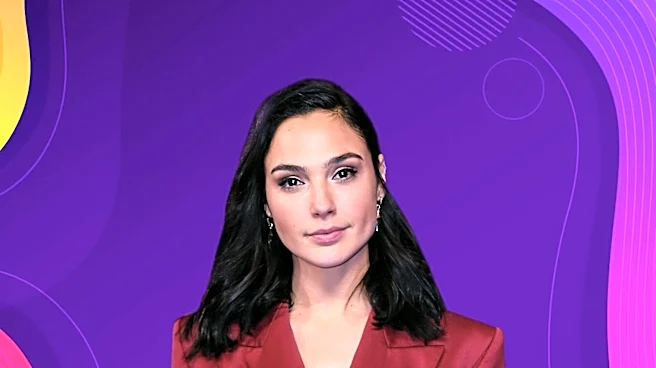
Actress Gal Gadot engaged in six months of negotiations to secure artificial intelligence (AI) protections for her role in Doug Liman's upcoming film 'Bitcoin'. Gadot revealed on the Happy Sad Confused podcast that her primary concern was preventing AI from
altering or generating her performance, even though the film extensively uses AI in its production environment for elements like sets and lighting. This lengthy negotiation process highlights the growing tension in Hollywood regarding AI's role in filmmaking and the need to define boundaries for human creative control. Gadot emphasized that while AI can assist in creating the world around actors, the performance itself must remain human. Her legal team's detailed protections were reportedly sought by SAG for guidance on broader performer protections.
Why It's Important?
This development is crucial for the U.S. entertainment industry as it sets a precedent for how actors and studios might approach AI integration in film production. The extensive negotiations underscore the industry's struggle to balance technological advancement with the protection of artistic integrity and performer rights. As AI becomes more sophisticated, concerns about digital likeness, performance alteration, and consent are central to ongoing debates. Gadot's experience provides a tangible example of how these issues are being addressed contractually, potentially influencing future agreements across Hollywood. It also highlights the economic implications, as AI-assisted production, like the gray-stage technology used in 'Bitcoin', can reduce costs and production time, but necessitates clear guidelines for talent.
What's Next?
The detailed AI protections negotiated by Gal Gadot's team could serve as a blueprint for future contracts in Hollywood, potentially leading to standardized clauses for AI usage in film. SAG's reported interest in her legal team's guidance suggests that these protections might inform broader industry-wide policies or union negotiations. As 'Bitcoin' progresses towards release, its reception will be closely watched, not only for its cinematic quality but also as a test case for AI-assisted filmmaking and the effectiveness of these performer protections. The ongoing dialogue between studios, actors, and unions will likely intensify as the industry grapples with defining the ethical and practical boundaries of AI in creative processes.
Beyond the Headlines
Gadot's stance on AI in 'Bitcoin' raises profound ethical and legal questions about authorship and ownership in the age of artificial intelligence. If AI can generate or alter performances, it blurs the lines of who truly 'owns' the creative output. This has implications for intellectual property rights, residuals, and the very definition of acting. The distinction Gadot insisted upon—AI for environment, human for performance—reflects a broader societal debate about where human creativity ends and machine generation begins. This case could contribute to a cultural shift in how audiences perceive authenticity in film and how the industry values human talent versus technological efficiency, potentially leading to new legal frameworks and industry standards.