






What's Happening?
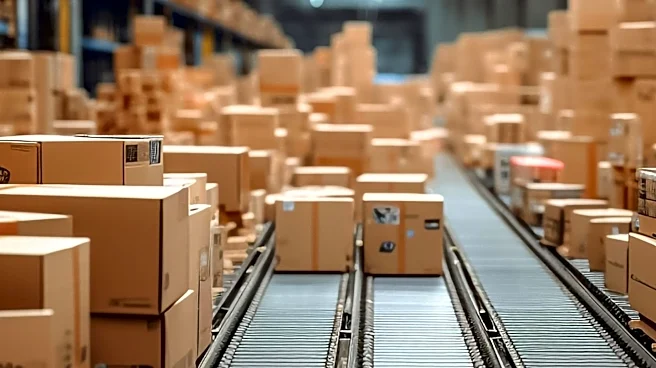
Warehousing remains a critical component of modern supply chains, serving as more than just a storage space. It acts as a vital link, ensuring that products are available at the right time for use. Effective warehousing logistics solutions encompass several
key tasks, including efficient receiving, organized storage, and accurate inventory tracking. When warehouses are managed effectively, companies can process incoming shipments with less confusion, maintain goods in optimal condition, expedite order packing, and streamline delivery planning. Conversely, weak warehouse processes can lead to issues such as misplaced stock, inaccurate inventory counts, delayed order fulfillment, and increased operational costs. Many businesses are actively seeking logistics assistance tailored to their specific storage and distribution requirements to mitigate these challenges. The process involves checking and entering items upon arrival, using clear labels, and continuously tracking inventory to facilitate product location. Storage planning is also crucial, as different products require varying conditions, such as temperature control or specialized shelving, necessitating a well-planned layout to maximize space and accessibility.
Why It's Important?
The efficiency of warehousing directly impacts the overall health and responsiveness of supply chains, which is particularly important as many firms now manage larger stock levels and distribute products across multiple regions. Well-executed warehousing plans, combined with robust fulfillment operations, can significantly reduce waiting times and simplify inventory management, thereby fostering a more consistent flow from suppliers to consumers. This is crucial for businesses aiming to meet customer demands effectively and maintain a competitive edge. Poor warehousing can lead to substantial financial losses due to inefficiencies, such as increased labor costs from prolonged processing times, and potential revenue loss from delayed shipments or stockouts. The ability to quickly and accurately move products through the supply chain is paramount in today's fast-paced market, where consumer expectations for rapid delivery are high. Therefore, investing in optimized warehousing logistics is not merely about storage but about enhancing operational agility and customer satisfaction.
What's Next?
The future of warehousing will likely see continued advancements in technology and data utilization to further enhance efficiency and responsiveness. Many warehouses are already adopting advanced tools such as inventory management systems, barcode scanning, and tracking equipment to minimize errors and accelerate operations. Software solutions are increasingly being used to coordinate the entire workflow, from receiving to shipping, in a seamless manner. Automation is also being integrated for repetitive tasks, leading to faster and more consistent operations. Furthermore, businesses are leveraging data analytics to identify demand trends, allowing for smarter planning of space and inventory. This data-driven approach enables companies to optimize their warehouse organization and make more informed decisions. The ongoing expansion of online sales and global shipping necessitates adaptable warehouse setups, suggesting a continuous evolution towards more flexible and technologically integrated solutions to manage fluctuating demand and maintain steady daily operations.
Beyond the Headlines
Beyond the immediate operational benefits, effective warehousing contributes to broader economic stability and consumer confidence. A robust supply chain, underpinned by efficient warehousing, ensures that goods are consistently available, which helps to stabilize prices and prevent shortages. This reliability is particularly vital during periods of economic uncertainty or unexpected disruptions, as it allows businesses to maintain continuity and meet essential consumer needs. The strategic location of warehouses, often near major transport hubs, also plays a significant role in regional economic development by creating employment opportunities and supporting local logistics infrastructure. Moreover, the shift towards more integrated and data-driven warehousing practices highlights a broader trend in industry towards digital transformation and the increasing importance of data in strategic decision-making. This evolution not only optimizes physical movement of goods but also fosters a more intelligent and resilient economic ecosystem, capable of adapting to future challenges and opportunities.