





What's Happening?
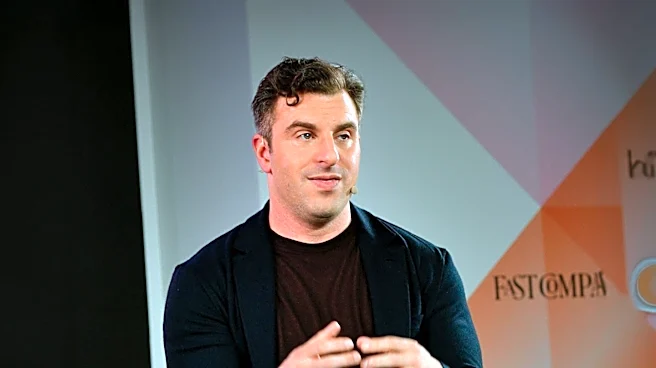
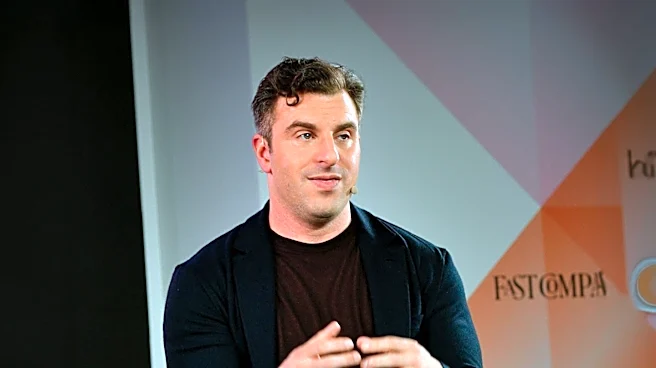
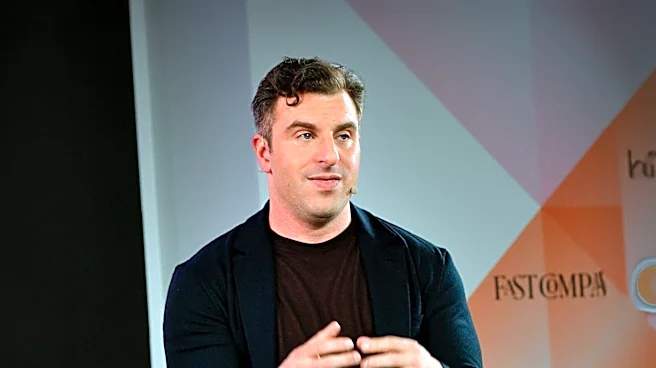
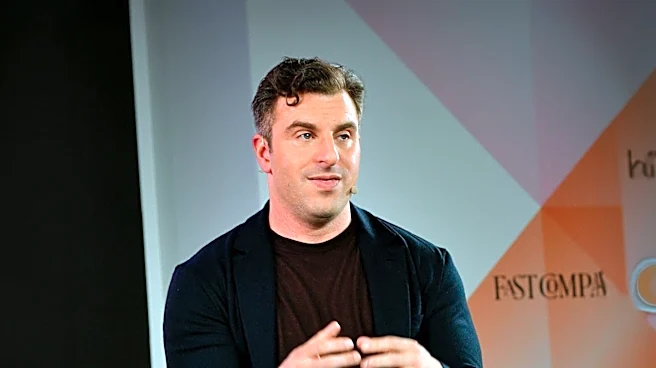
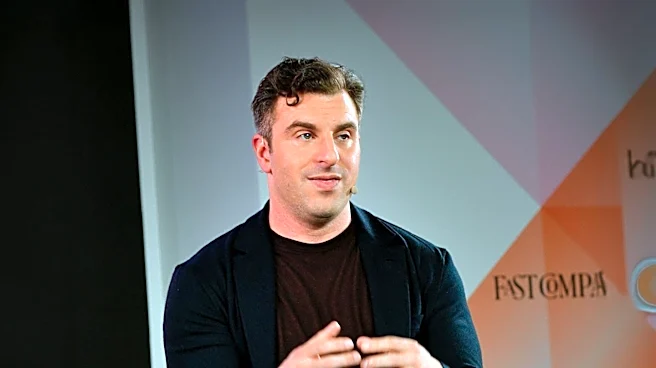
Airbnb CEO Brian Chesky has significantly reduced his reliance on email for internal communication, opting instead to text the company's 8,200 employees. Chesky estimates he writes fewer than one email per week, though he still responds to incoming messages
daily. He views email as an 'inferior' form of communication, describing it as 'subject-based' and feeling like 'work' to respond to. In contrast, he finds text messages to be 'person-based,' faster, more contextual, and conducive to a deeper connection. Chesky ranks in-person communication as the most effective, followed by Zoom, then text messages, with email coming in last. This shift reflects a broader trend among some technology executives who favor immediate, informal contact over traditional corporate communication tools. While Chesky acknowledges his own work-life balance is more 'blended' than average, he defends his communication style, stating that executives have the right to run their companies as they see fit.
Why It's Important?
This communication shift by a prominent CEO like Brian Chesky highlights a growing tension in modern corporate culture, particularly concerning work-life boundaries and generational expectations. While Chesky believes texting fosters faster responses and a deeper connection, it directly conflicts with the expectations of younger generations, such as millennials and Gen Z, who often view after-hours contact as an infringement on their personal time. Research indicates that a significant portion of these younger workers would consider quitting if their boss contacted them outside of work hours. This divergence in communication preferences could impact employee retention and satisfaction, especially in companies led by executives who favor constant availability. For businesses, adopting such a communication style without clear boundaries could lead to increased turnover and a perception of an 'always-on' work environment, potentially harming company culture and attracting talent. The debate also touches on the effectiveness of different communication channels in a rapidly evolving digital workplace.
What's Next?
The ongoing adoption of informal communication methods like text messaging by executives will likely continue to fuel discussions around workplace boundaries and employee well-being. Companies may need to develop clearer policies regarding after-hours communication to address the concerns of employees, particularly younger demographics. While some executives, like Chesky, assert their right to dictate operational style, the increasing push for work-life balance from the workforce could lead to a re-evaluation of these practices. The tension between executive preference for instant communication and employee desire for personal time may prompt more companies to explore solutions that balance responsiveness with respect for individual boundaries. This could include implementing 'right to disconnect' policies, similar to those in some European countries, or fostering a culture that encourages asynchronous communication for non-urgent matters. The long-term impact on employee engagement and retention will be a key factor in how these communication trends evolve.
Beyond the Headlines
The shift from formal email to informal text messaging by a CEO like Brian Chesky has deeper implications for corporate power dynamics and the psychological contract between employers and employees. Email, with its subject lines and structured format, inherently creates a psychological barrier that separates work from personal life. Texting, being 'person-based' and often delivered to personal devices, blurs this line, making work communication feel more intrusive and constant. This can lead to increased stress and burnout, as employees may feel perpetually 'on call.' The executive's preference for immediate, unstructured communication also reflects a desire for greater control and faster decision-making, potentially at the expense of thoughtful deliberation and employee autonomy. This trend could exacerbate existing inequalities, as employees with less power may feel compelled to respond instantly, regardless of personal commitments. The ethical dimension of this communication style, particularly concerning the right to disconnect and the mental health of the workforce, will likely become a more prominent discussion point in the future of work.