




What's Happening?
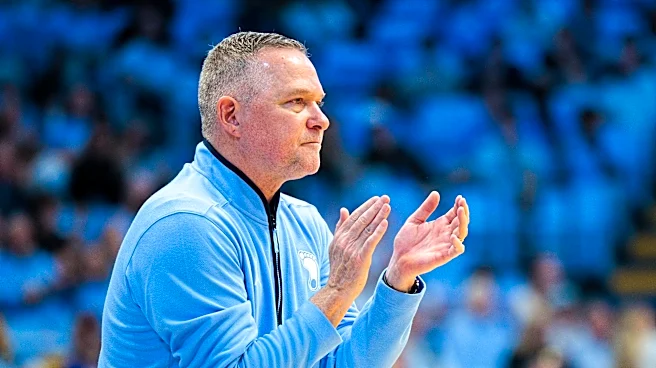
UNC Chancellor Lee Roberts has expressed concerns that a potential Major League Baseball (MLB) franchise in Raleigh could negatively impact local support for college athletics. Roberts specifically highlighted worries about increased competition for both
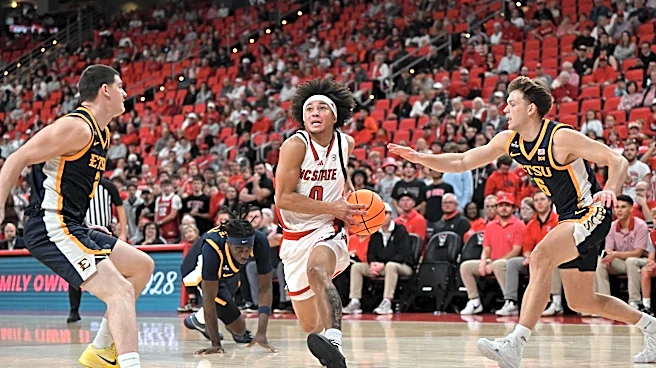
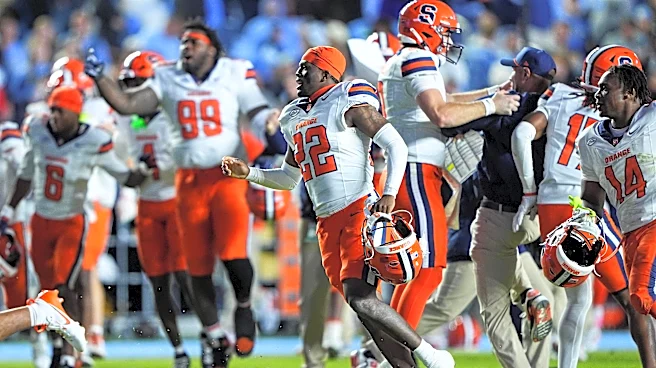
attendance and corporate sponsorships. He noted that approximately half of the college football season overlaps with the baseball season, creating direct competition for the 'family entertainment budget.' Both the University of North Carolina (UNC) and NC State are actively seeking naming rights sponsors for their football stadiums, as well as sponsors for jersey patches and other items, to help offset the escalating expenses in college sports. Roberts emphasized that family entertainment budgets and corporate sponsorship dollars are limited, and he fears that a new professional sports team could weaken the long-standing strength of college sports in the region and state. North Carolina is currently the most populous U.S. state without an MLB franchise.
Why It's Important?
The potential introduction of an MLB franchise in Raleigh carries significant implications for the financial health and fan engagement of college athletic programs in North Carolina. UNC and NC State, like many collegiate institutions, rely heavily on attendance and corporate sponsorships to fund their athletic departments, which are facing rising costs. A new professional team would directly compete for these finite resources, potentially diverting fan attention and corporate investment away from college sports. This could lead to reduced revenue for universities, impacting everything from athlete scholarships and facility upgrades to coaching salaries. The concern extends beyond just baseball, as the overlap with football season suggests a broader competition for the entertainment dollar. This situation underscores the delicate balance between supporting professional sports development and preserving the established ecosystem of collegiate athletics, which holds deep cultural and economic significance in many U.S. states.
What's Next?
The concerns raised by UNC Chancellor Lee Roberts will likely become a significant point of discussion as any potential MLB franchise bid for Raleigh progresses. University athletic departments in North Carolina will need to strategize how to maintain their fan base and secure sponsorships in a more competitive sports market. This could involve innovative marketing campaigns, enhanced fan experiences, or exploring new revenue streams. Political leaders and economic development agencies involved in attracting an MLB team will also need to consider the potential impact on existing institutions and how to mitigate any adverse effects. The debate will likely involve balancing the economic benefits and prestige of a professional sports team against the potential challenges for beloved local college programs. Further discussions and negotiations between various stakeholders, including university officials, potential MLB investors, and state and local governments, are anticipated.
Beyond the Headlines
This situation highlights a recurring tension in the U.S. sports landscape: the competition for resources and fan loyalty between professional and collegiate athletics. While professional sports can bring economic benefits and national recognition to a region, they often do so by drawing from the same pool of fans and sponsors that support college teams. This dynamic can force college athletic programs to innovate and adapt, potentially leading to more sophisticated marketing, improved fan experiences, and a greater emphasis on unique aspects of the college game. It also raises questions about the long-term sustainability of college sports funding models, especially in an era of escalating expenses and increased commercialization. The outcome in Raleigh could serve as a case study for other regions considering professional sports expansion, illustrating the need for careful consideration of the broader sports ecosystem and its stakeholders.