








What's Happening?
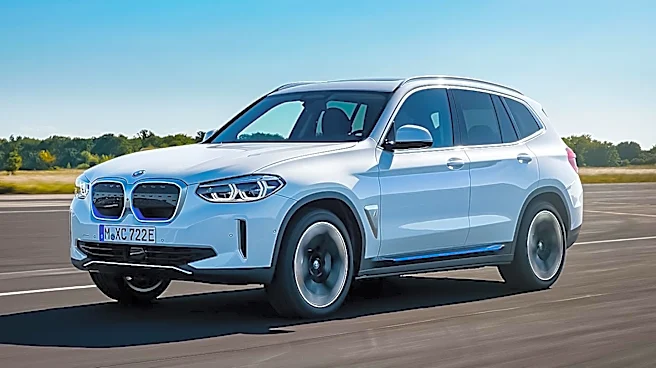
Euro NCAP has updated its vehicle safety assessment protocols for the first time in over a decade, focusing on four key areas: safe driving, crash avoidance, crash protection, and post-crash response. The BMW iX3 and Zeekr 7GT are the first vehicles to receive
five-star ratings under this new framework. The BMW iX3, an electric SUV, scored highly across all categories, particularly excelling in post-crash safety with a 95% score. The Zeekr 7GT, an electric estate, also performed well, with strong results in crash avoidance and protection. The new protocols emphasize the importance of driver monitoring and physical controls, suggesting limits to the industry's software-first approach.
Why It's Important?
The introduction of these new safety protocols by Euro NCAP is significant as it reflects evolving consumer expectations and technological advancements in vehicle safety. By setting higher standards, Euro NCAP is pushing manufacturers to prioritize comprehensive safety features, which could lead to safer roads and reduced accident rates. The success of the BMW iX3 and Zeekr 7GT under these new standards demonstrates that manufacturers can meet these rigorous requirements, potentially influencing other automakers to enhance their safety features. This shift could have a broad impact on the automotive industry, encouraging innovation and competition in vehicle safety technologies.
What's Next?
As Euro NCAP's new protocols become the standard, other automakers will likely need to adapt their vehicle designs to meet these enhanced safety requirements. This could lead to increased investment in safety technologies and a reevaluation of the balance between software and physical controls in vehicles. Consumer demand for safer vehicles may also rise, influencing purchasing decisions and market trends. Additionally, regulatory bodies in other regions might consider adopting similar protocols, further promoting global vehicle safety improvements.
Beyond the Headlines
The emphasis on physical controls alongside advanced driver aids highlights a potential shift in the automotive industry's approach to integrating technology. While digital interfaces offer convenience, the need for physical controls suggests a recognition of their role in ensuring driver focus and safety. This balance between digital and physical elements could become a key consideration in future vehicle designs, impacting how manufacturers approach user experience and safety.