






What's Happening?
Wall Street's primary concern has shifted from the artificial intelligence boom to the escalating U.S. debt, following a global bond selloff that pushed yields to two-decade highs. For years, warnings about the rising trajectory of U.S. debt were largely
dismissed by investors due to low borrowing costs, which fueled significant stock market gains. However, the debt pile has continued to grow, interest costs consume a larger portion of the federal budget, and deficits have expanded. Rating agencies have downgraded U.S. credit, and foreign central banks have reduced their purchases of Treasuries. RSM Chief Economist Joseph Brusuelas noted that debt becomes unsustainable when global financial markets deem it so, a point that appears to have been reached. The recent bond selloff was not limited to the U.S., with yields also surging in major economies like the U.K., France, Germany, and Japan. Governments have continued high spending post-COVID-19, despite rising interest rates aimed at combating inflation and an economy increasingly resilient to higher rates.
Why It's Important?
The market's sudden focus on U.S. debt signals a critical turning point for the global financial system. The sustained rise in bond yields directly impacts borrowing costs for the U.S. government, potentially leading to higher interest payments that could further strain the federal budget and necessitate cuts in other spending areas or increased taxation. This shift also affects corporate borrowing, as higher Treasury yields typically translate to higher interest rates for businesses, potentially slowing investment and economic growth. Investors are now demanding higher returns for holding government debt, reflecting increased perceived risk. The competition for bond market dollars between the Treasury Department and 'hyperscalers' (large tech companies financing capital expenditures with debt) could further exacerbate yield pressures. This situation could lead to a re-evaluation of fiscal policies, potentially forcing policymakers to address long-standing issues of government spending and deficits, with significant implications for economic stability and future growth prospects.
What's Next?
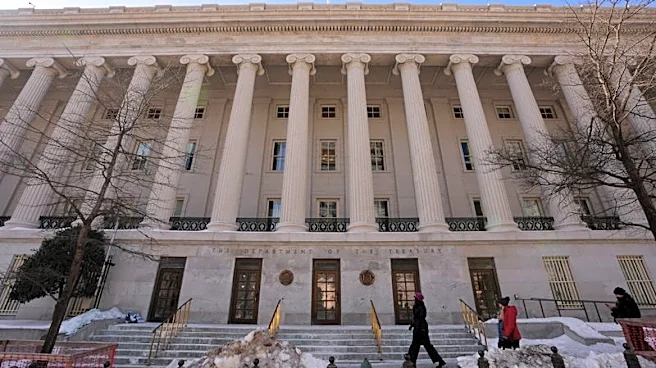
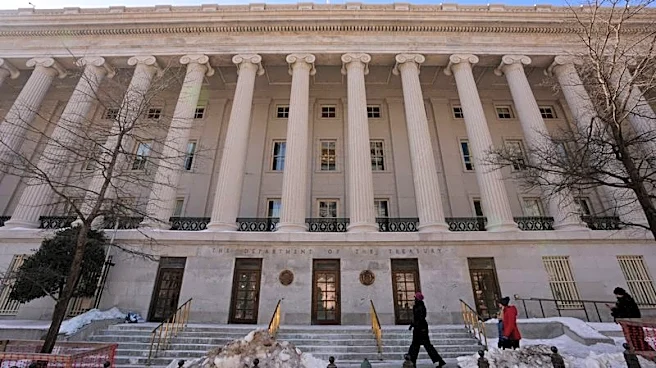
In response to rapidly rising yields, the Treasury Department announced an increase in buybacks of long-dated bonds, a move that briefly lowered yields before they rebounded as investor skepticism persisted. This suggests that financial engineering alone may not be sufficient to address underlying debt concerns. Future actions could include more aggressive fiscal policy adjustments, such as spending cuts or tax increases, to demonstrate a commitment to fiscal responsibility. The Federal Reserve's monetary policy will also be closely watched, as any further interest rate hikes could intensify debt servicing costs. International investors' continued sentiment towards U.S. Treasuries will be crucial; a sustained lack of demand could further pressure yields. The ongoing debate between the U.S. and Iran, which has contributed to higher oil prices, could also indirectly impact inflation and bond markets. Policymakers face the challenge of balancing economic growth with fiscal prudence to restore market confidence in the sustainability of U.S. debt.
Beyond the Headlines
The current debt crisis extends beyond immediate financial market reactions, touching upon fundamental questions of economic governance and intergenerational equity. Decades of increasing national debt, often justified by various economic stimuli or crises, have accumulated to a point where market patience is waning. This situation highlights the long-term consequences of fiscal policies that prioritize short-term gains over sustainable financial health. The U.S. dollar's status as the world's reserve currency has historically provided a buffer, but persistent debt concerns could gradually erode this advantage, leading to broader geopolitical and economic shifts. The interplay between government debt and private sector financing, particularly by large tech companies, underscores a growing competition for capital that could reshape investment landscapes. Ethically, the burden of mounting debt falls on future generations, raising questions about the responsibility of current policymakers to ensure fiscal stability. This moment could force a re-evaluation of the social contract regarding public spending and taxation.