






What's Happening?
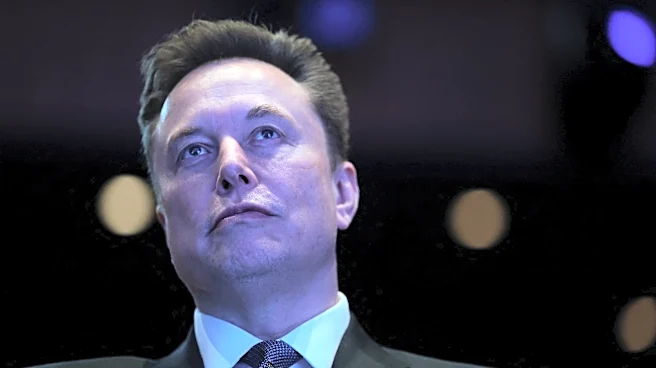
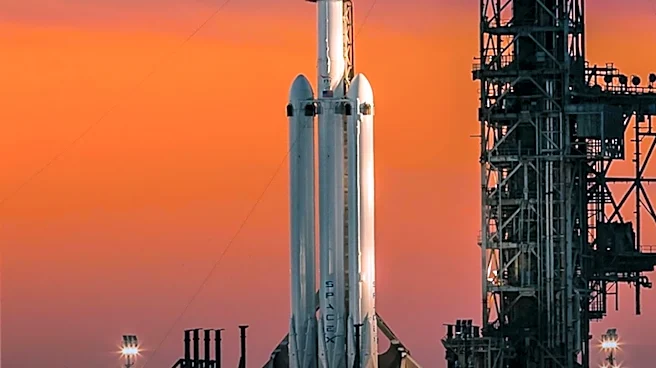
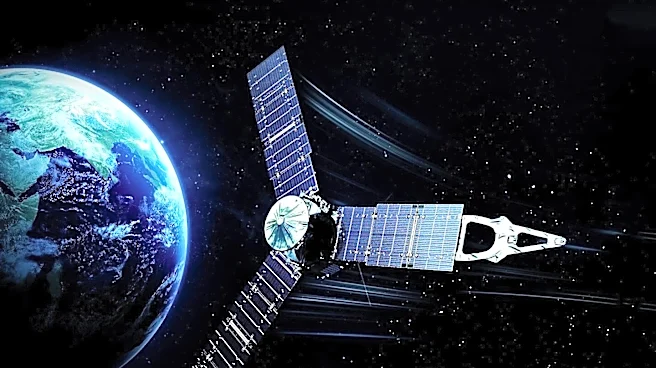
Elon Musk's SpaceX, through its Starlink subsidiary, is pursuing a plan to integrate small cell technology with its satellite receivers to provide mobile network coverage. This initiative has drawn significant skepticism from industry experts, who question
its feasibility, particularly in urban environments. Experts like Earl Lum of EJL Wireless Research and Paul Rhodes of Real Wireless highlight the technical challenges, such as the need for robust antennas, significant power output, and the complexities of installation and permitting for residential properties. They argue that the physics of satellite signals and the limited backhaul capacity of Starlink units make widespread urban coverage unlikely. Instead, the plan appears to be more viable for rural areas where fiber optic options are scarce and Starlink already has a customer base.
Why It's Important?
This development is significant for the telecommunications industry and rural connectivity in the U.S. If successful, SpaceX's small cell plan could offer an alternative for mobile network access in underserved rural areas, potentially bridging the digital divide where traditional fiber infrastructure is uneconomical. However, the technical and economic hurdles, including potential increases in subscriber electricity bills due to the power demands of small cells, could limit its widespread adoption. The skepticism from industry veterans also suggests that SpaceX might be using this plan as leverage to negotiate mobile virtual network operator (MVNO) deals with established carriers like AT&T, T-Mobile, and Verizon, rather than intending to build a full-fledged competitive mobile network. This strategy could reshape partnerships and competition within the U.S. telecom market.
What's Next?
SpaceX will likely continue to develop and refine its small cell technology, potentially focusing its deployment efforts on rural and suburban areas where the demand for alternative connectivity solutions is higher. The company may also intensify its efforts to secure MVNO agreements with major U.S. carriers, using the threat of independent network deployment as a bargaining chip. The reaction from existing telecom giants will be crucial; their willingness to partner with Starlink or to enhance their own rural coverage will determine the competitive landscape. Consumers in rural areas might see new options for mobile connectivity, but they will also need to weigh the potential costs and technical limitations of such services. The long-term success of this plan hinges on SpaceX's ability to overcome significant engineering and logistical challenges, as well as its capacity to offer a competitive and reliable service.
Beyond the Headlines
The debate surrounding SpaceX's small cell plan highlights the ongoing tension between innovative, disruptive technologies and the established infrastructure of the telecommunications industry. It underscores the persistent challenge of providing universal, high-quality internet and mobile access across the vast and varied U.S. landscape, particularly in rural regions. The discussion also touches upon the broader implications of private companies, led by figures like Elon Musk, attempting to reshape essential public services. The potential for Starlink to act as a 'stalking horse' to force MVNO deals reveals the complex strategic maneuvers within the tech and telecom sectors, where technological innovation is often intertwined with market leverage and competitive positioning. This situation could set precedents for how satellite-based internet providers interact with traditional mobile networks in the future, influencing regulatory frameworks and consumer expectations for connectivity.