

What's Happening?
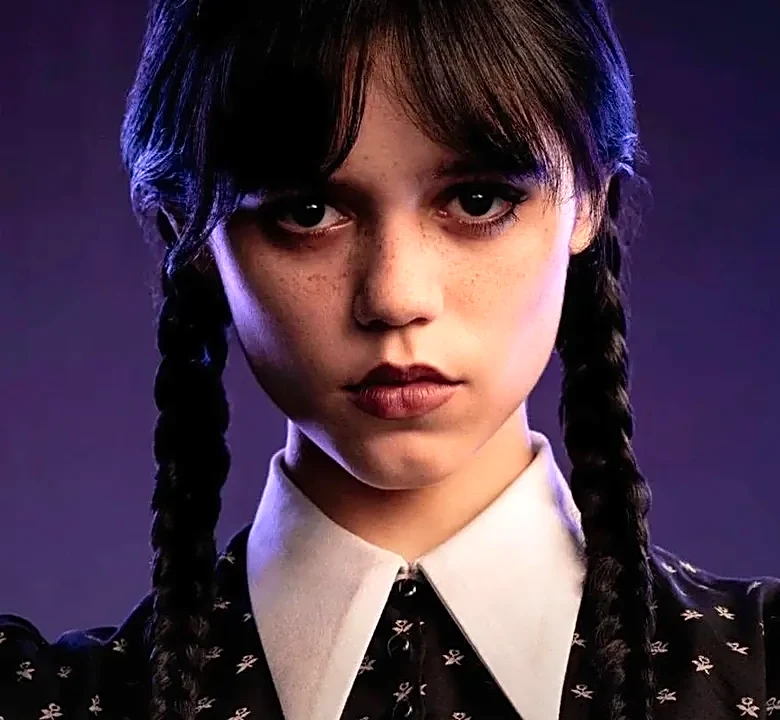
Soft grunge, a distinctive visual and clothing style, originated on Tumblr between 2012 and 2015. It was characterized by specific fashion elements such as washed-out band shirts, tartan shirts, ripped jeans, chokers, and Doc-Martens-style boots, often
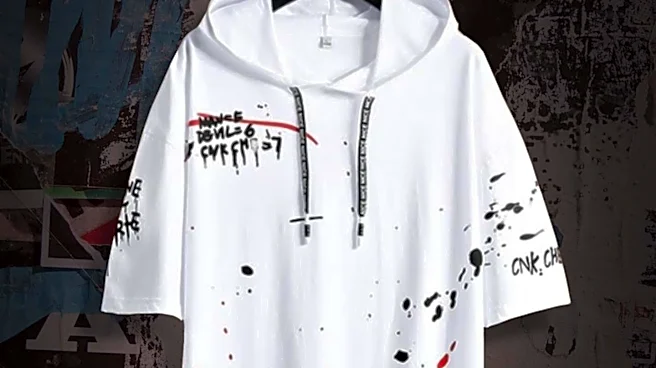
photographed in cold light with muted colors. The aesthetic was defined by its 'grunge optics without grunge harshness,' incorporating muted pastel tones. Key colors in the soft grunge palette included Washed Black, Bordeaux, Dusty Rose, Anthracite, and Washed Denim. While the style's presence as a Tumblr phenomenon has diminished, its core elements have persisted and adapted. The current iteration of soft grunge, now seen in short videos and under different names, features a more voluminous silhouette compared to the tighter cuts prevalent in 2014. For instance, a band tee that was once worn close to the body is now favored in two sizes larger, and skinny jeans have been replaced by straight or wide-leg trousers. The color palette, however, has largely remained consistent.
Why It's Important?
The evolution of soft grunge highlights a broader trend in fashion where online aesthetics, particularly those originating from platforms like Tumblr, can transcend their initial digital confines and influence mainstream style. This shift demonstrates how digital subcultures can seed fashion trends that adapt to changing preferences and platforms, moving from static imagery to dynamic video content. The transition from tight-fitting garments to more voluminous styles reflects a general movement in contemporary fashion towards comfort and relaxed silhouettes, indicating a cyclical nature of trends where past aesthetics are reinterpreted for modern sensibilities. This phenomenon also underscores the enduring appeal of 'grunge optics' and its ability to be softened and re-contextualized for new generations, proving that certain fashion building blocks possess timeless appeal even as their presentation evolves. The continued relevance of soft grunge also showcases the power of social media platforms in shaping and disseminating fashion trends, even years after their initial peak.
What's Next?
The continued adaptation of soft grunge suggests that fashion trends originating from digital spaces will likely continue to evolve and reappear in new forms. As platforms like TikTok become primary drivers of style, aesthetics like soft grunge will be reinterpreted by new generations who may not have experienced their initial wave. This could lead to further modifications in silhouette, material, and styling, while retaining the core essence of the look. Designers and retailers may draw inspiration from these re-emerging digital trends, incorporating elements of soft grunge into their collections, potentially leading to a broader commercialization of the style. Consumers can expect to see more relaxed fits and a continued emphasis on vintage-inspired pieces, with a focus on comfort and individuality. The interplay between online communities and the fashion industry will likely intensify, with trends emerging and transforming at an accelerated pace.
Beyond the Headlines
The enduring appeal of soft grunge speaks to a deeper cultural fascination with nostalgia and the reinterpretation of past eras. The style's ability to shed its 'Tumblr phenomenon' label and adapt to new platforms like short-form video suggests that fashion is increasingly fluid and less bound by traditional trend cycles. This evolution also touches upon the concept of 'curated authenticity,' where styles that once appeared effortlessly worn are now consciously constructed for digital presentation. The shift from tight to voluminous cuts might also reflect a broader societal move towards more inclusive and body-positive fashion, where comfort and personal expression take precedence over restrictive silhouettes. Furthermore, the re-emergence of such styles highlights the cyclical nature of fashion, where elements from previous decades are continuously recycled and reimagined, often losing some of their original subcultural context but gaining new meaning in contemporary settings. This continuous reinterpretation underscores fashion as a dynamic cultural language.