




What's Happening?
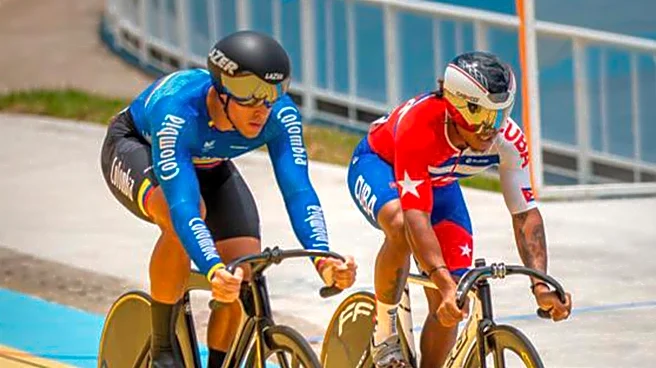
High-intensity interval training (HIIT) is being recommended for cyclists over the age of 50 as a means to maintain and improve fitness levels. According to experts, while traditional long rides are enjoyable, HIIT offers significant benefits for metabolic
and cardiovascular health, which are crucial as one ages. Nathalie Boisseau, a professor in exercise physiology, highlights that HIIT can lower visceral fat and improve health markers such as insulin sensitivity and cardiovascular health. Joe Friel, a veteran cycling coach, emphasizes the importance of wisdom and patience in training, advising older cyclists to adjust their interval sets and focus on consistency rather than intensity. Frank Overton, another coach, suggests that regular HIIT sessions can lead to improvements, even if the gains are not as rapid as in younger athletes.
Why It's Important?
The adoption of HIIT by older cyclists is significant as it addresses the challenges of aging, such as declining fitness and increased health risks. By incorporating HIIT, cyclists can enhance their metabolic and cardiovascular health, potentially reducing the risk of conditions like type 2 diabetes and hypertension. This approach also supports the maintenance of functional capacity and body composition, which are vital for longevity. The emphasis on consistency over intensity ensures that older athletes can continue to enjoy cycling while minimizing the risk of injury or burnout. As the population ages, such strategies could play a crucial role in promoting active and healthy lifestyles among older adults.
What's Next?
Cyclists over 50 are encouraged to integrate HIIT into their regular training routines, focusing on quality intervals and adequate recovery. Coaches recommend adjusting power and heart rate zones to match current fitness levels, ensuring that workouts are effective and sustainable. As HIIT becomes more popular among older athletes, there may be increased interest in research and development of tailored training programs that cater to the specific needs of this demographic. Additionally, the cycling community may see a shift towards more inclusive events and resources that support older cyclists in maintaining their health and performance.
Beyond the Headlines
The growing interest in HIIT among older cyclists reflects broader trends in fitness and health, where efficiency and effectiveness are prioritized. This shift may influence the development of new cycling gear and technology designed to support interval training. Moreover, the focus on metabolic health and longevity could lead to collaborations between fitness experts and healthcare providers to create comprehensive wellness programs. As society becomes more aware of the benefits of active aging, there may be increased advocacy for policies that promote physical activity and access to fitness resources for older adults.