








What's Happening?
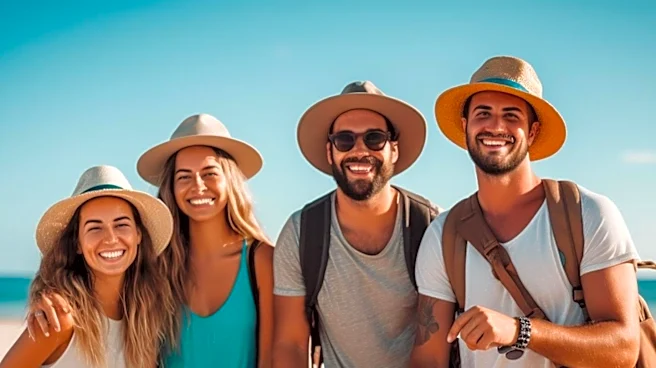
Millennials, generally defined as individuals born between 1980 and 1994, are increasingly prioritizing wellness and unique cultural experiences in their travel choices. According to Daniela Harrison, a travel advisor in Flagstaff, Arizona, this demographic,
often characterized by good income, childless status, and remote work capabilities, is seeking destinations that offer more than traditional European or Caribbean vacations. Instead of common tourist spots, millennials are opting for locations like Egypt, Morocco, and Central Asia. These choices reflect a desire for harder-to-reach places and experiences distinct from those encountered during childhood family trips. This shift indicates a growing trend among millennials to explore destinations that provide deeper cultural immersion and personal growth opportunities, moving away from conventional travel itineraries.
Why It's Important?
This evolving travel trend among millennials has significant implications for the U.S. tourism and hospitality industries. As a large and economically influential demographic, their preferences can reshape destination marketing strategies and investment in travel infrastructure. Traditional tourist destinations may need to adapt their offerings to cater to the millennial demand for unique, wellness-focused, and culturally rich experiences. This shift could lead to increased economic opportunities for regions previously considered off the beaten path, fostering local economies in countries like Egypt and Morocco. Conversely, destinations heavily reliant on conventional tourism may face challenges if they do not innovate to meet these changing consumer preferences. The emphasis on remote work also suggests a potential for longer, more immersive travel experiences, impacting the demand for extended-stay accommodations and specialized travel services.
What's Next?
The travel industry is likely to continue adapting to the preferences of millennial travelers. This could involve the development of more specialized tour packages focusing on wellness retreats, cultural immersion programs, and adventure travel in less conventional locations. Travel agencies and online platforms may increasingly highlight unique destinations and experiences to attract this demographic. Furthermore, as millennials age and their financial capacity potentially grows, their influence on global tourism will only strengthen. Destinations and service providers that can effectively cater to their desire for authenticity, sustainability, and personal enrichment will likely see continued growth. The trend also suggests a potential for increased investment in travel technology that facilitates remote work and seamless, personalized travel planning.
Beyond the Headlines
The millennial shift in travel preferences reflects broader societal values emphasizing personal well-being, cultural understanding, and experiential consumption over material possessions. This trend goes beyond mere tourism, indicating a deeper desire for self-discovery and a more conscious approach to global engagement. The choice of destinations like Egypt and Morocco, often associated with rich histories and distinct cultures, suggests a rejection of homogenized travel experiences in favor of authentic encounters. This could foster greater cross-cultural dialogue and understanding, potentially influencing geopolitical perceptions and soft power. Moreover, the focus on wellness aligns with a growing global movement towards holistic health, suggesting that travel is increasingly viewed as a means for mental and physical rejuvenation, rather than just leisure.