







What's Happening?
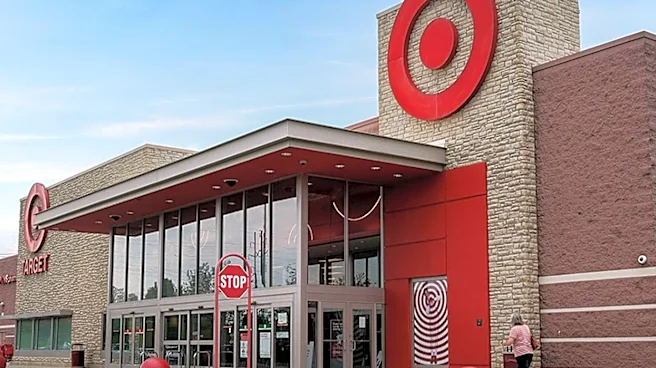
Target has opened its newest store in Katy, Texas, at the Texas Heritage Marketplace. This 148,000-square-foot location is the fourth Target in the Katy area and is notable for its increased emphasis on groceries, featuring expanded selections of fresh
produce, meat, dairy products, and frozen foods. The store, named Katy Heritage, also includes a CVS Pharmacy, Starbucks Café, and Target Optical. Customers have multiple shopping options, including in-person shopping, online ordering for pickup, covered Drive Up lanes, and same-day delivery services. This opening is part of Target's broader strategy to attract customers who regularly shop for groceries, moving beyond its traditional focus on clothing, home goods, and general merchandise. The store employs approximately 200 workers and operates daily from 8 a.m. to 11 p.m. The Texas Heritage Marketplace is a 165-acre development along Interstate 10 at Texas Heritage Parkway, with Target being one of the first major retailers to open, following Lowe's and Whataburger.
Why It's Important?
The opening of this new Target store with a significant grocery focus addresses a growing demand for retail options in the rapidly expanding communities west of Katy, such as Jordan Ranch, Sunterra, Firethorne, and Tamarron. Residential growth in this area has outpaced the development of large shopping centers, leading residents to travel further for their shopping needs. This new Target provides a closer and more convenient option for groceries, household supplies, and other everyday purchases, directly impacting the daily lives of thousands of residents. For Target, this move signifies a strategic expansion into the grocery market, aiming to capture a larger share of consumer spending by becoming a more comprehensive shopping destination. The inclusion of same-day delivery services also reflects the evolving retail landscape, where convenience and speed are crucial for customer retention and market competitiveness. The development of Texas Heritage Marketplace, with its projected 800,000 square feet of commercial space, is poised to transform the retail infrastructure of Waller County.
What's Next?
The Texas Heritage Marketplace is expected to continue its development, with more retailers and restaurants scheduled to open in the coming months. Sam's Club is projected to open in March 2027, and other announced businesses include Academy Sports + Outdoors, Burlington, Spec's, Ulta Beauty, and EoS Fitness. Restaurants such as Texas Roadhouse, Olive Garden, and Cheddar's are also planned. The City of Katy intends to build a combined police and fire station within the development. As more businesses open, the marketplace will transition into a full-fledged shopping destination, further alleviating the retail gap in the area. The success of this food-focused Target store could influence Target's future expansion strategies, potentially leading to more grocery-centric locations in other rapidly developing suburban areas across the U.S. The ongoing growth of the Texas Heritage Marketplace will likely continue to attract new residents and businesses to the region.
Beyond the Headlines
This development highlights a broader trend in the retail industry where traditional general merchandise stores are increasingly integrating and emphasizing grocery offerings to remain competitive against pure-play grocery chains and e-commerce giants. The strategic placement of this Target store in a high-growth residential area underscores the importance of localized retail solutions that cater to the specific needs of burgeoning communities. The emphasis on convenience, through options like online pickup and same-day delivery, reflects a fundamental shift in consumer expectations, driven by technological advancements and the demand for immediate gratification. Furthermore, the creation of large-scale mixed-use developments like Texas Heritage Marketplace, which combine retail, dining, and essential services, represents a modern approach to urban planning that aims to create self-sufficient communities and reduce the need for extensive travel for daily necessities. This integrated approach can foster local economic growth and enhance community infrastructure.