



What's Happening?
The luxury hotel segment is experiencing robust growth in room rates and revenue, driven by high demand, limited supply, and the spending capacity of affluent travelers. Despite this strong top-line performance, industry experts are cautioning that these
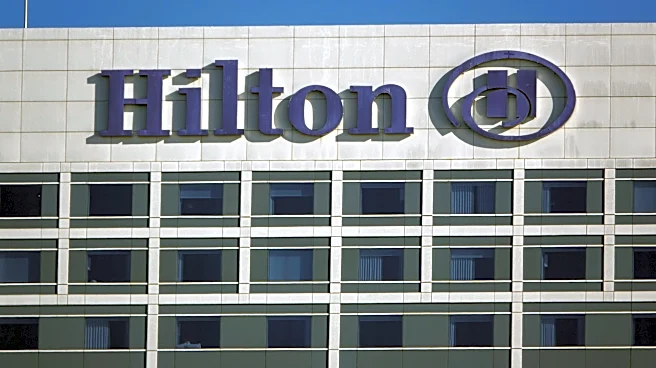
gains do not always translate into attractive investment returns. The high costs associated with developing, operating, and maintaining luxury properties are a significant factor. Discussions at the Resort & Residential Hospitality Forum (R&R) 2026 in Athens highlighted that while luxury hotels are commanding record room rates, the profitability for investors is not always keeping pace. Experts like Dan Wakeling, vice president of development at Hilton, emphasize the critical need for capital discipline when deciding where to develop luxury hotels and what amenities customers are willing to pay for. The resilience of the sector is partly attributed to its customer base, which is less susceptible to economic fluctuations, and the inherent value of prime real estate locations.
Why It's Important?
The performance of the luxury hotel sector has significant implications for the broader hospitality industry and real estate investment markets. While the segment appears resilient due to its affluent clientele and unique market position, the challenge of converting high revenues into substantial investment returns could influence future development strategies and capital allocation. Investors and developers must carefully assess the long-term demand and operational costs to ensure profitability. This situation underscores a broader economic principle: high revenue does not automatically equate to high profit, especially in capital-intensive industries. The focus on 'capital discipline' suggests a more cautious approach to luxury development, potentially leading to fewer, but more strategically placed, high-end properties. This could also impact related industries, such as luxury goods suppliers and high-end service providers, who rely on the growth and expansion of the luxury hospitality market.
What's Next?
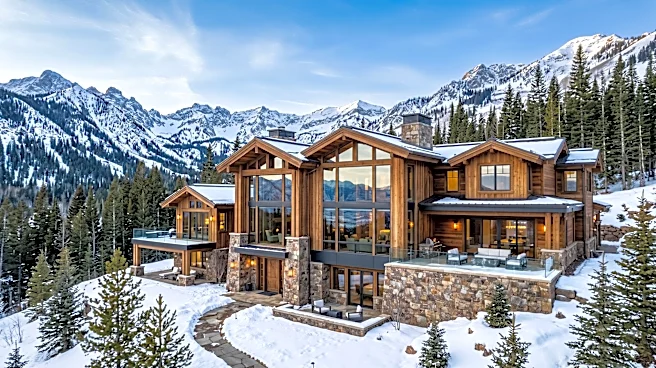
Looking ahead, the luxury hotel sector is likely to see a continued emphasis on strategic development and operational efficiency to bridge the gap between strong revenue growth and investment returns. Developers will need to conduct more granular research into customer willingness to pay for specific amenities and services, rather than simply adding them to properties. The trend of incorporating branded residences into luxury developments may also continue, as these can provide an earlier source of cash for developers and attract buyers motivated by lifestyle and trophy asset ownership. However, developers will need to be wary of overloading these residences with amenities that lead to unsustainable service charges. The industry will also likely focus on service as a key differentiator, recognizing its contribution to pricing power and profitability, despite being a significant operating expense. This suggests a future where luxury hotels prioritize bespoke experiences and exceptional service to justify premium rates and enhance investor returns.
Beyond the Headlines
Beyond the immediate financial metrics, the dynamics within the luxury hotel sector reflect broader shifts in consumer behavior and investment philosophy. The continued demand for luxury experiences, even amidst economic uncertainties, highlights a growing bifurcation in consumer spending, where affluent individuals remain largely unaffected by downturns. This also points to the evolving definition of luxury, moving beyond opulent physical spaces to encompass unparalleled service and unique, curated experiences. The emphasis on 'capital discipline' could lead to a more sustainable development model within the luxury segment, preventing oversupply in certain markets and ensuring that new properties are genuinely aligned with market demand. Furthermore, the integration of branded residences blurs the lines between hospitality and residential real estate, creating new hybrid investment opportunities and challenges related to property management and service delivery. This trend could also influence urban planning and the development of high-end communities around luxury hospitality hubs.