








What's Happening?
Ashley Houghteling, N.P., a nurse practitioner at Henry Ford Health, states that there is no 'anti-inflammatory supplement or superfood that will magically give you good health.' Instead, she emphasizes that daily habits are crucial for reducing chronic
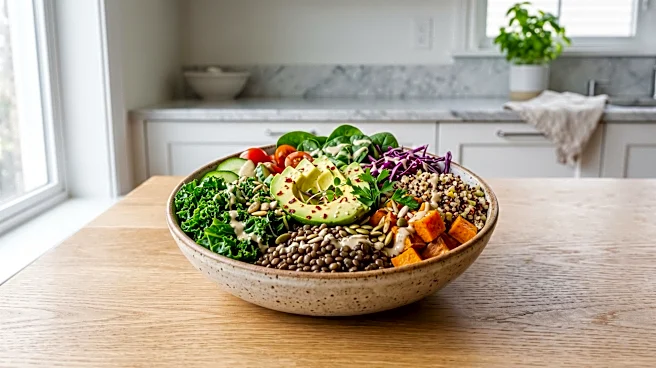
inflammation, which is linked to various diseases like cancer, heart problems, and dementia. Houghteling advocates for a heart-healthy, anti-inflammatory diet rich in fiber-rich, plant-based foods such as fruits, vegetables, beans, lentils, whole grains, nuts, and seeds. She also highlights the importance of physical activity, adequate sleep, avoiding substances like alcohol and tobacco, managing stress through small, consistent actions, and fostering social connections to lower cortisol levels and reduce inflammation.
Why It's Important?
This perspective from Henry Ford Health is significant for U.S. public health, as it counters the prevalent marketing of 'superfoods' and supplements as quick fixes for health issues. By shifting the focus to sustainable lifestyle changes, Houghteling promotes a more holistic and accessible approach to health management. This can empower individuals to take control of their well-being through everyday choices rather than relying on potentially expensive or unproven products. For the healthcare industry, this message reinforces the importance of preventive care and patient education on foundational health habits. It also challenges the supplement industry to align its claims with scientific evidence, potentially influencing consumer spending towards more impactful health interventions.
What's Next?
The recommendation from Henry Ford Health suggests a continued emphasis on lifestyle interventions in managing chronic inflammation. Healthcare providers may increasingly counsel patients on dietary changes, exercise routines, sleep hygiene, stress reduction techniques, and social engagement as primary strategies. This could lead to a greater demand for resources and programs that support these habits, such as nutrition counseling, fitness classes, and mental wellness initiatives. Consumers are encouraged to adopt these daily practices, potentially leading to improved public health outcomes and a reduced reliance on quick-fix solutions. The broader health and wellness market may see a shift in consumer demand towards products and services that genuinely support these fundamental healthy habits.
Beyond the Headlines
Houghteling's statement delves into the deeper societal implications of health messaging, particularly the allure of 'magic bullet' solutions in a culture often seeking instant gratification. By debunking the myth of a single superfood or supplement, she underscores the complexity of human health and the interconnectedness of various lifestyle factors. This perspective encourages a more critical approach to health claims and promotes health literacy among the public. It also highlights the ethical considerations for marketers in the health industry, urging them to promote realistic and sustainable health practices rather than capitalizing on fads. Ultimately, this message contributes to a more informed public discourse on health, emphasizing long-term well-being over short-term trends.