






What's Happening?
Bodaq Interior Film by Hyundai L&C has released detailed guidance on specifying architectural film for interior projects, aiming to prevent delays and ensure design intent. The company emphasizes the distinction between interior decorative film and window
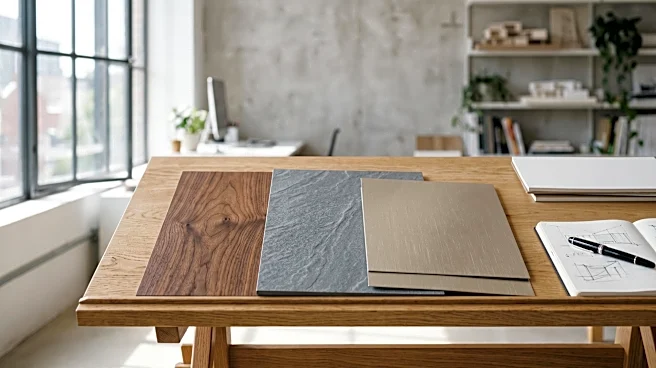
film, advocating for separate specifications due to their differing product families and standards. The guidance outlines a three-part specification structure—General, Products, and Execution—common in U.S. projects. It stresses the importance of writing performance requirements against reference standards like ASTM E84 for fire classification and requiring submittals such as product data sheets, physical samples, and test reports. Bodaq offers over 450 textures and colors, including wood, stone, metal, and fabric finishes, designed for application on walls, doors, millwork, and furniture. The company advises requesting samples and approving full-size mockups to accurately assess finish, texture, and color under actual lighting conditions.
Why It's Important?
This comprehensive specification guidance from Bodaq is crucial for the U.S. construction and design industries. It addresses common pitfalls that lead to project delays and compromised design quality, such as vague specifications or incorrect product application. By clearly differentiating interior architectural film from window film and providing a structured approach to specification, Bodaq helps architects, designers, and contractors ensure that materials meet performance, aesthetic, and regulatory requirements. This clarity can lead to more efficient project execution, reduced waste, and improved client satisfaction. The emphasis on fire classification (ASTM E84, IBC Chapter 8) and emissions documentation is particularly vital for compliance with U.S. building codes and green building initiatives, impacting project approvals and the health and safety of building occupants. For manufacturers, it sets a standard for transparency and detailed product information, fostering trust and reliability in the market.
What's Next?
The detailed specification guidance from Bodaq is expected to influence how architectural films are integrated into U.S. construction projects. Designers and specifiers are encouraged to adopt these practices, leading to more precise material selection and application. Bodaq's recommendation for mockups and thorough submittal reviews will likely become a more standard practice, ensuring that the final product aligns with initial design visions. The company also highlights the importance of installer qualifications, suggesting a potential increase in demand for certified installers of architectural films. As green building targets become more prevalent, the focus on emissions documentation and environmental product declarations will continue to grow, pushing manufacturers to provide transparent and verifiable data. This initiative could lead to broader industry discussions on standardization and best practices for specifying innovative interior finishes.
Beyond the Headlines
The detailed specification process for architectural films, as outlined by Bodaq, reflects a broader trend towards greater accountability and precision in the construction industry. This move away from generic descriptions like 'oak look' to specific manufacturer codes and physical samples underscores a demand for higher fidelity in material selection. Ethically, this promotes transparency and reduces the potential for misrepresentation of products. Legally, clear specifications and documented compliance with standards like ASTM E84 can mitigate risks and disputes related to performance and safety. Culturally, the ability to replicate diverse textures and colors with film offers designers immense flexibility, potentially democratizing access to high-end aesthetics and enabling more creative and adaptable interior spaces. This shift also highlights the growing importance of specialized knowledge in material science and application within the architectural profession, moving beyond traditional material choices to embrace advanced surfacing solutions.