


What's Happening?
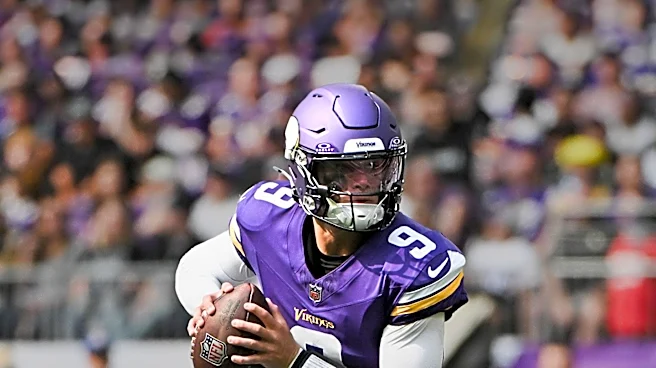
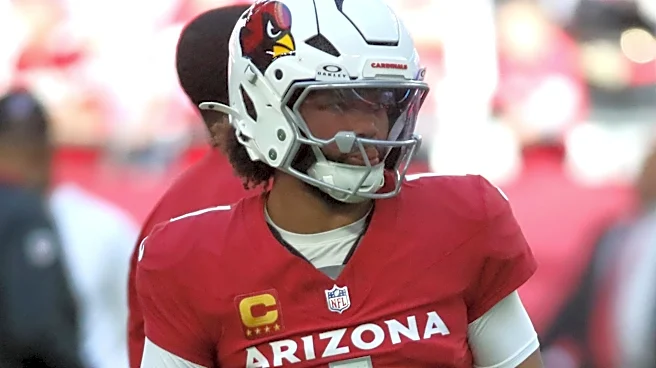
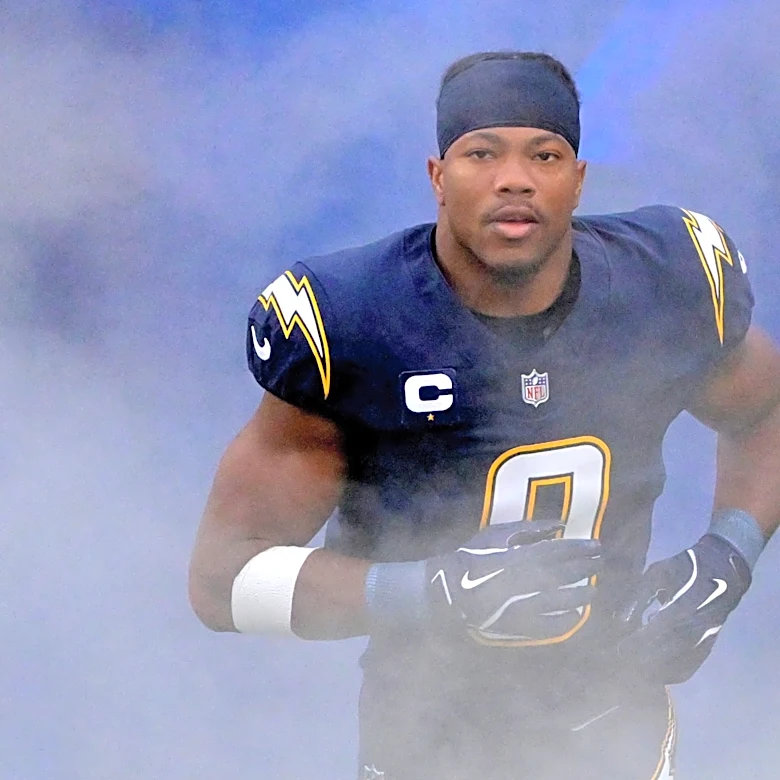
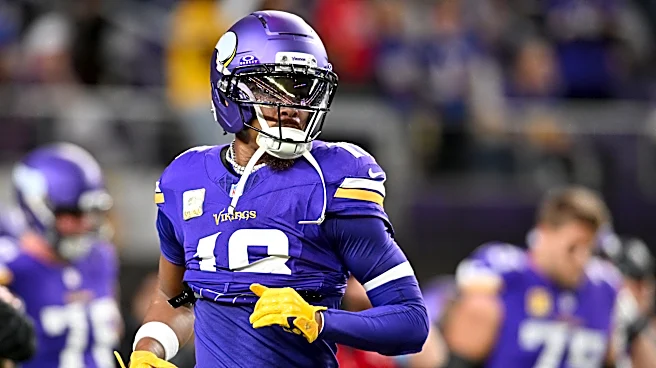
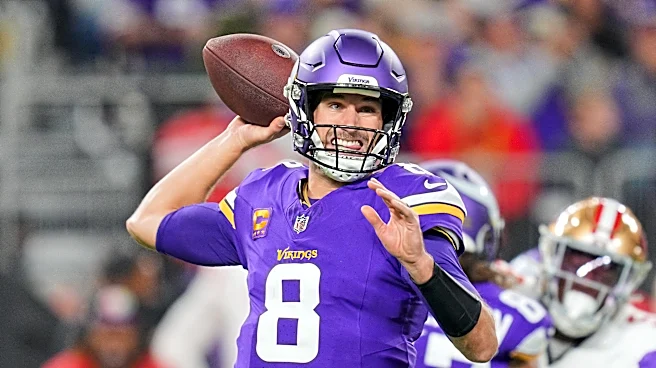
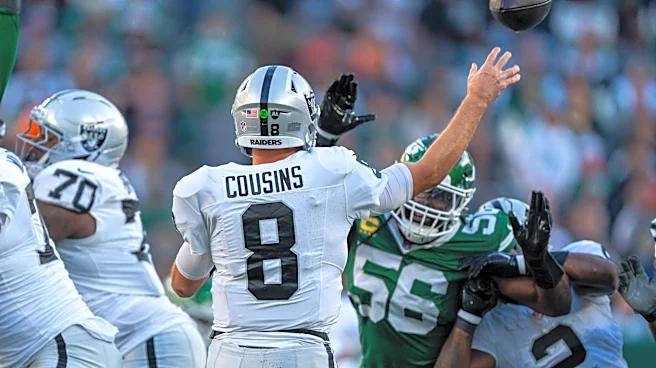
Kyler Murray's position with the Minnesota Vikings has become uncertain following the team's trade for quarterback Kirk Cousins. Murray is currently recovering from a hamstring injury, and Cousins is expected to assume the starting quarterback role. This
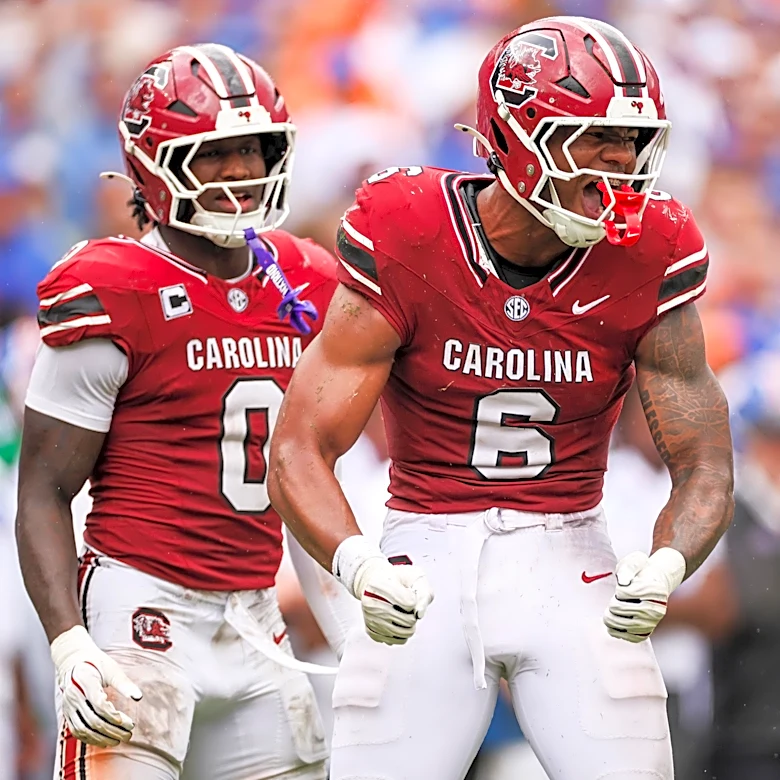
development has led to speculation regarding Murray's long-term future in the NFL, particularly concerning whether he will remain a starting quarterback. Veteran media personality Dan Patrick, on 'The Dan Patrick Show,' raised the possibility of Murray considering a return to professional baseball. Patrick highlighted Murray's past as a highly-touted baseball prospect, noting he was drafted ninth overall by the Oakland Athletics in the 2018 MLB Draft and signed for $4.6 million. Murray's college baseball statistics at Oklahoma included a .296 batting average with 10 home runs in 51 games during his junior year. Patrick questioned if Murray would be content as a backup quarterback or if a career change to baseball would be appealing, drawing parallels to Michael Jordan's temporary switch from basketball to baseball.
Why It's Important?
The uncertainty surrounding Kyler Murray's NFL career has significant implications for the Minnesota Vikings and the broader league. For the Vikings, the acquisition of Kirk Cousins suggests a shift in their quarterback strategy, prioritizing immediate competitiveness with a veteran presence. This move could signal a lack of confidence in Murray's ability to lead the team as a starter, especially given his recent performance metrics, which include a -0.04 EPA per dropback and a 40.0% success rate, ranking 25th and 29th among quarterbacks, respectively. If Murray were to consider a return to baseball, it would represent a rare high-profile athlete making a significant career pivot, potentially influencing other multi-sport athletes. The situation also highlights the intense pressure and scrutiny placed on top NFL draft picks, where expectations for sustained elite performance are extremely high. For Murray, a potential career change would involve weighing financial considerations, personal ambition, and the physical demands of two different professional sports.
What's Next?
Kyler Murray's immediate future hinges on his recovery from a hamstring injury and the Minnesota Vikings' subsequent quarterback decisions. Once healthy, Murray will likely serve as a backup to Kirk Cousins, which could diminish his playing time and impact. The ongoing speculation about a potential return to baseball will likely persist, especially if Murray's role with the Vikings remains limited or if he struggles to regain a starting position in the NFL. The Oakland Athletics still hold Murray's draft rights in baseball, which could facilitate a transition if he chose that path. Reactions from major stakeholders will be closely watched; the Vikings will need to manage their quarterback depth chart and potentially address Murray's contract situation if he is no longer viewed as a long-term starter. Murray himself will face a critical decision point regarding his athletic career, balancing his passion for football with the potential for a successful career in baseball.
Beyond the Headlines
The discussion around Kyler Murray's potential return to baseball delves into deeper themes of athletic identity, career longevity, and the unique pressures faced by elite multi-sport athletes. Murray's situation highlights the 'what if' scenarios that often accompany athletes who excel in multiple disciplines but must choose one path. The comparison to Michael Jordan's baseball stint underscores the public fascination with such career transitions and the inherent challenges of switching sports at a professional level. Ethically, it raises questions about an athlete's right to pursue personal fulfillment over contractual obligations or public expectations. Legally, Murray's existing NFL contract and his baseball draft rights present complex considerations should he seriously contemplate a switch. Culturally, it reflects a broader societal interest in athletes who defy conventional career paths, challenging the notion that a singular focus is always the best route to success. This narrative could also influence how future young athletes approach their multi-sport talents, potentially encouraging more to keep their options open longer.