








What's Happening?
The Spain national soccer team was forced to cancel their final training session ahead of the World Cup final due to adverse weather conditions in Whippany, New Jersey. The session, scheduled for Saturday morning, was initially delayed due to lightning
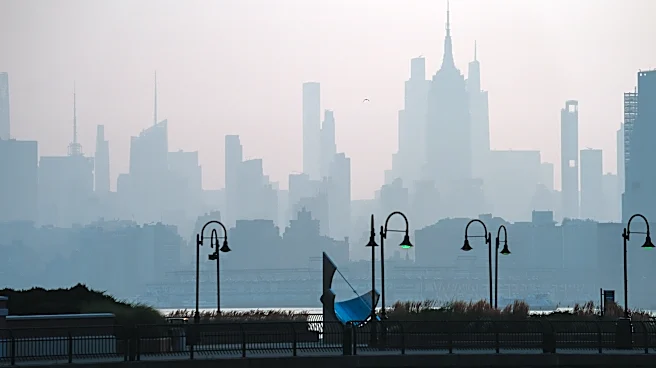
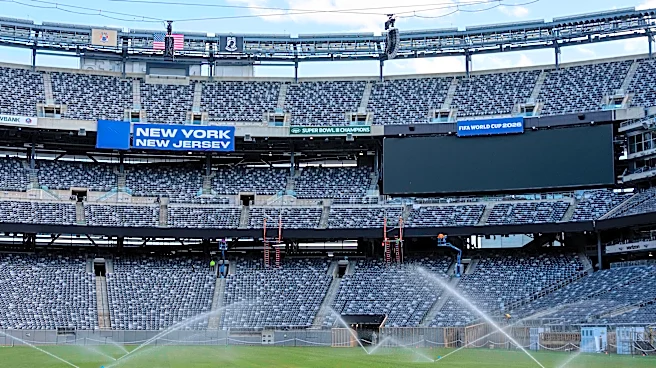
in the area. The same weather system also affected Argentina's training session nearby, causing a 45-minute delay. The weather in the region has been characterized by steady rain and thunderstorms, following a period of extreme heat and poor air quality due to Canadian wildfires. The final match is set to be played at MetLife Stadium.
Why It's Important?
The cancellation of Spain's training session highlights the impact of weather on major sporting events. Adverse weather conditions can disrupt preparations and affect the performance of teams in high-stakes competitions like the World Cup. The situation also underscores the broader environmental challenges faced by the region, including extreme heat and air quality issues. These conditions can have significant implications for public health and safety, as well as the logistics of hosting international events. The ability to adapt to and manage such disruptions is crucial for organizers and participants alike.
What's Next?
With the World Cup final scheduled to proceed, teams will need to adjust their preparations to accommodate the weather conditions. Organizers will continue to monitor the situation closely to ensure the safety of players and spectators. The ongoing weather challenges may prompt discussions on contingency plans for future events, particularly in regions prone to extreme weather. Additionally, the broader environmental issues, such as air quality and climate change, may drive policy discussions on mitigation and adaptation strategies.