




What's Happening?
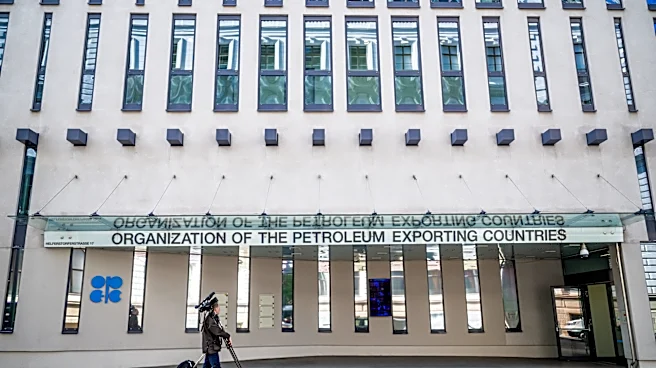
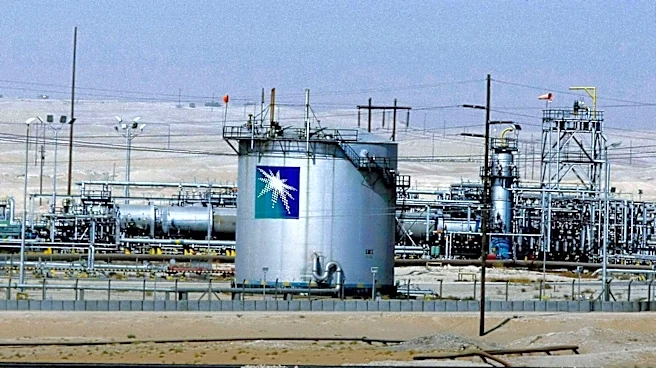
OPEC+, an alliance of oil-producing nations led by Saudi Arabia, is contemplating rolling over its current oil output quotas into January. This decision comes as the group grapples with significant market uncertainties, including the ongoing impact of the Iran
war. Delegates, who requested anonymity due to the private nature of the discussions, confirmed this consideration. The alliance is scheduled to convene online on Sunday and has yet to finalize production targets for 2027. The planned incorporation of an external review into each nation's physical pumping capacity has been complicated by objections from Iraq regarding its assessment. The market faces extraordinary uncertainty, with members needing to prepare for a potential end to the war while managing internal alliance strains. The United Arab Emirates previously withdrew in May due to frustrations over production limits, and Iraq has been advocating for increased pumping capacity. Despite these challenges, a subgroup of OPEC+ members has formally reinstated two tranches of output halted in 2023 through a series of quota increases over the past 18 months.
Why It's Important?
The potential extension of OPEC+'s current oil output quotas carries significant implications for global energy markets and, by extension, the U.S. economy. Maintaining existing quotas could stabilize oil prices in the short term, preventing sharp fluctuations that could impact gasoline prices for American consumers and operational costs for U.S. businesses. However, it also reflects the deep uncertainties within the market, particularly concerning geopolitical tensions like the Iran war, which can disrupt supply chains and create price volatility. For U.S. industries reliant on oil, such as transportation and manufacturing, predictable oil prices are crucial for planning and profitability. Conversely, U.S. domestic oil producers might face challenges if stable global prices limit their competitive edge or investment opportunities. The internal disagreements within OPEC+, highlighted by the UAE's withdrawal and Iraq's push for higher quotas, underscore the fragility of the alliance's cohesion, which could lead to future instability in oil supply and pricing. This situation also impacts global efforts towards energy transition, as sustained oil production levels could influence investment in renewable energy alternatives.
What's Next?
OPEC+ is scheduled to meet online on Sunday to discuss and potentially decide on the extension of current oil output quotas into January. The alliance also needs to set production targets for 2027, a process complicated by an external review of national pumping capacities and objections from Iraq. Russian Deputy Prime Minister Alexander Novak indicated that the audit aims to be completed by year-end, with its status to be reviewed at Sunday's meeting. The outcome of this meeting will determine the immediate trajectory of global oil supply and pricing. Stakeholders, including international oil companies, energy analysts, and governments, will closely monitor the decision for its impact on market stability and future energy policies. The ongoing geopolitical landscape, particularly the situation in the Middle East, will continue to be a critical factor influencing OPEC+'s decisions and the broader oil market.
Beyond the Headlines
The deliberations within OPEC+ extend beyond mere production numbers, touching upon the complex interplay of geopolitics, economic interests, and internal alliance dynamics. The 'paper exercise' nature of past quota hikes, where targets were increased even as war-related disruptions forced some Persian Gulf nations to reduce output, highlights the challenges of enforcing and adhering to collective agreements in a volatile environment. The external review of pumping capacity, intended to provide a more accurate basis for quotas, has become a point of contention, revealing underlying tensions and national interests within the alliance. This situation underscores the ethical dilemma of balancing global energy demand with the sovereign economic aspirations of individual member states, especially those facing internal pressures or seeking to maximize revenue. The long-term implications could include a re-evaluation of OPEC+'s effectiveness as a unified body and a potential shift in global energy power dynamics if internal divisions persist or escalate.