


What's Happening?
In the realm of home design, experts are increasingly advocating for the Japanese philosophy of wabi-sabi, which champions the appreciation of imperfection, authenticity, and the beauty of age. Pamela Williams-Magqashela, an Interior Decor contributor
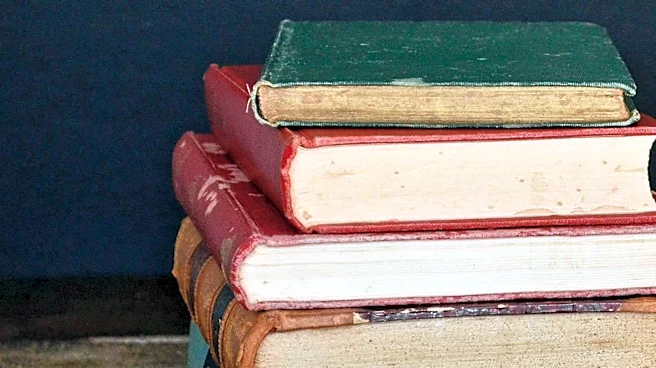
for House & Garden SA, emphasizes that not everything in a home needs to be new or perfectly matched. Instead, she encourages homeowners to incorporate thrifted, antique, and vintage pieces, asserting that these items bring history, character, and soul to a space. Examples include a vintage chair with worn arms, an inherited cabinet, or a handmade ceramic with subtle imperfections. These elements are believed to contribute more personality and spark conversation, fostering an emotional connection within the home. The core idea is to allow a home to evolve naturally over time, rather than striving for immediate perfection or adhering strictly to fleeting trends.
Why It's Important?
The integration of wabi-sabi into U.S. home design has significant implications for consumer behavior and the interior design industry. It challenges the prevailing culture of rapid consumption and the constant pursuit of new, trend-driven decor. By encouraging the use of vintage and imperfect items, this philosophy promotes sustainability and reduces waste, aligning with growing environmental consciousness. For consumers, it offers a more accessible and less financially burdensome approach to decorating, as it values character over cost. This shift could lead to a resurgence in the popularity of antique markets, thrift stores, and artisanal crafts, benefiting small businesses and local economies. Furthermore, it fosters a more personalized and meaningful approach to home aesthetics, where spaces reflect individual stories and experiences rather than generic showroom displays, potentially increasing homeowner satisfaction and well-being.
What's Next?
The growing acceptance of wabi-sabi principles suggests a continued movement towards more authentic and sustainable home design practices. Interior designers and retailers may increasingly offer curated collections of vintage or handcrafted items, and workshops on upcycling and incorporating aged pieces could become more popular. We might see a decline in demand for fast furniture and mass-produced decor, with a corresponding rise in interest for durable, high-quality, and unique items. This trend could also influence architectural design, favoring natural materials that age gracefully and designs that embrace subtle imperfections. Homeowners are likely to become more confident in mixing styles and periods, creating eclectic and deeply personal living environments. The emphasis on 'collected' rather than 'decorated' homes will likely shape future design trends, encouraging a more thoughtful and deliberate approach to creating living spaces.
Beyond the Headlines
Beyond its aesthetic appeal, the wabi-sabi philosophy in home design carries deeper cultural and psychological implications. In a society often pressured by social media to present a flawless image, embracing imperfection in one's living space can be a liberating act. It encourages a mindset of acceptance and contentment with what is, rather than a constant striving for an unattainable ideal. This approach can reduce stress and anxiety associated with maintaining a 'perfect' home, fostering a more relaxed and genuine environment. Culturally, it represents a subtle rebellion against consumerism, promoting a return to valuing craftsmanship, history, and the unique narrative that objects can tell. This shift can lead to a more mindful way of living, where the home becomes a sanctuary that reflects personal values and a connection to the past, rather than just a display of current trends.