






What's Happening?
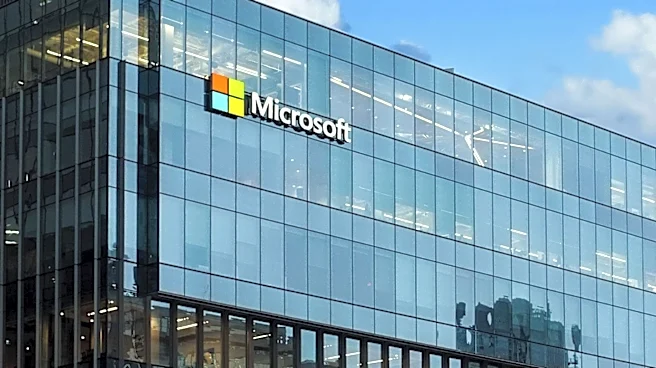
Attorneys for the National Labor Relations Board (NLRB) have concluded that Microsoft Corp.'s termination of employees who protested Israel's actions in Gaza did not violate federal labor law. An NLRB advice memo states that the protest, held at Microsoft's
Redmond, Washington campus, was not protected under the National Labor Relations Act because it was not focused on improving the terms and conditions of employment for the tech company's workforce. The attorneys determined that the demonstration was not designed for 'mutual aid or protection' of the employees. This directive, issued on July 10, instructs the board's regional office in Seattle to dismiss the charges that had been filed against Microsoft regarding these firings. The decision clarifies the scope of protected concerted activities under federal labor law, specifically distinguishing between protests related to workplace conditions and those addressing broader political or social issues.
Why It's Important?
This NLRB decision is significant for U.S. businesses, particularly in the tech sector, as it provides clarity on the boundaries of protected employee activism. It reinforces the principle that for an activity to be protected under the National Labor Relations Act, it must generally relate to employees' wages, hours, or other terms and conditions of employment. This ruling could influence how companies manage employee protests on non-workplace-related issues, potentially leading to stricter enforcement of company policies regarding such demonstrations. For employees, it underscores the importance of understanding the specific protections afforded by labor laws, indicating that protests centered on broader political or social causes, even if held on company property, may not be shielded from employer disciplinary action. This could impact the landscape of corporate activism, potentially discouraging employees from engaging in protests on political matters if they fear job repercussions.
What's Next?
Following the NLRB attorneys' directive, the regional office in Seattle is expected to dismiss the charges against Microsoft. This outcome may set a precedent for similar cases involving employee protests on non-workplace issues within the U.S. tech industry and beyond. Companies might review and update their internal policies regarding employee conduct and protests to align with this interpretation of labor law. Employees and labor organizations may need to re-evaluate their strategies for advocating on social and political issues, potentially seeking alternative avenues for expression that do not risk their employment status. The decision could also spark further debate among labor law experts and advocates regarding the scope of employee protections in an era where social and political issues increasingly intersect with corporate environments.
Beyond the Headlines
The ruling highlights a broader tension between corporate free speech and employee rights, particularly when political and social issues become central to workplace discourse. While individuals generally have free speech rights, these rights are not absolute in the private employment context. The NLRB's interpretation emphasizes the distinction between protected concerted activity aimed at improving working conditions and other forms of expression. This could lead to a re-evaluation of corporate social responsibility initiatives and how companies navigate employee engagement on sensitive topics. The decision may also prompt discussions about the evolving nature of the workplace and the extent to which employers can regulate employee expression, especially when it pertains to global events that resonate deeply with their workforce. It underscores the legal complexities companies face in balancing employee rights with business operations and public image.