




What's Happening?
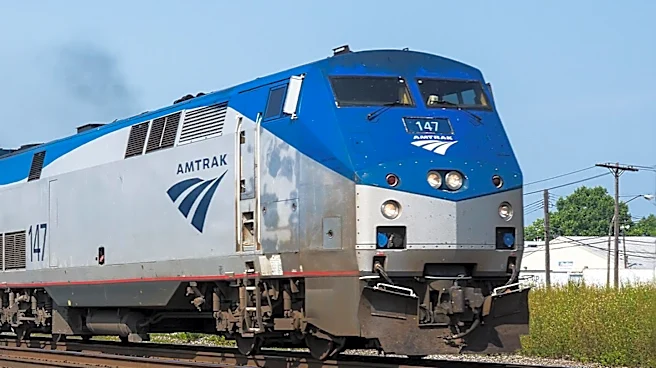
Justin Ishbia, the prospective owner of the Chicago White Sox, has revealed preliminary plans for a new stadium in the South Loop as part of a large-scale development called 'The Railyards.' This megadevelopment would be situated on the 48-acre site of Amtrak’s
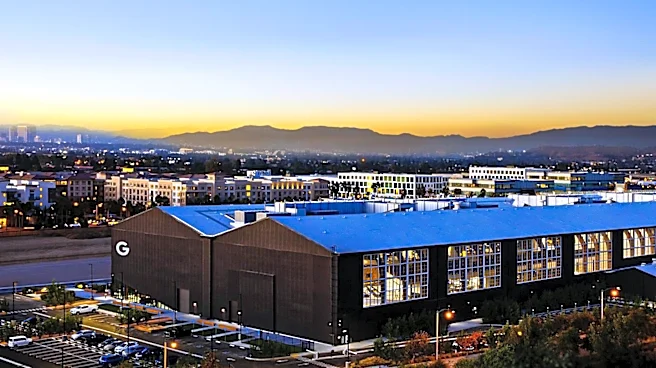
14th Street Coach yard. The proposal includes a riverfront White Sox stadium, potentially neighboring a new Chicago Fire stadium, and a new center for Northwestern Medicine. Ishbia's company, Canal Edge, has already invested $125 million into a $900 million project to relocate Amtrak's maintenance facility to Bridgeport, adjacent to the current Guaranteed Rate Field. This relocation is a critical component of the South Loop development. The plans depict a vintage-style ballpark with a brick facade along the Chicago River, featuring a riverwalk and a public plaza. The broader development would also incorporate commercial, retail, healthcare, and residential spaces. The project is currently in its early stages, with a feasibility study underway to assess transportation and environmental impacts.
Why It's Important?
This proposed development carries significant implications for Chicago's urban landscape, economy, and community relations. The relocation of the White Sox from their long-standing home in Bridgeport to the South Loop would drastically alter the economic and social fabric of both neighborhoods. For the South Loop, it promises substantial investment, job creation, and a new landmark development, potentially revitalizing a previously underutilized industrial area. However, for Bridgeport and Chinatown residents, the plan is viewed as a 'betrayal.' Local leaders, including Ald. Nicole Lee and Cook County Commissioner John P. Daley, argue that losing the White Sox would devastate the community, leaving behind an empty stadium and a 24/7 Amtrak maintenance facility. They express concerns about increased pollution, negative environmental impacts, and economic decline in a residential area. This highlights a classic urban development conflict between potential city-wide economic benefits and localized community disruption and environmental concerns.
What's Next?
The 'The Railyards' development is in its initial phases, with Canal Edge commencing a feasibility study to evaluate transportation and environmental impacts. If deemed feasible, the proposal will be presented to current White Sox ownership for consideration as a potential new home once the team's lease at Guaranteed Rate Field expires in 2029. The project faces considerable opposition from Bridgeport and Chinatown communities, whose leaders are urging officials to redirect public funding to Guaranteed Rate Field instead of supporting Ishbia's new stadium. U.S. Senators Dick Durbin and Tammy Duckworth have also called for a slowdown in the project's progression, indicating potential political hurdles. Future steps will likely involve extensive public hearings, environmental reviews, and negotiations with various stakeholders, including Amtrak, city officials, and community groups, before any construction can begin or final decisions are made regarding the White Sox's future location.
Beyond the Headlines
The proposed White Sox stadium and 'The Railyards' development underscore broader trends in urban planning and sports franchise economics. The move reflects a growing desire among sports teams to relocate to more central, mixed-use urban environments that offer greater commercial opportunities and fan engagement beyond game days. This often comes at the expense of established, historically significant team-community relationships, as seen with the strong backlash from Bridgeport residents. The project also highlights the complex interplay between private development interests, public infrastructure (Amtrak's rail yard), and community well-being. The environmental concerns raised by residents regarding the relocated maintenance facility point to ongoing challenges in balancing economic development with environmental justice, particularly in densely populated urban areas. The debate will likely influence future discussions on how major urban redevelopment projects are planned, approved, and integrated into existing cityscapes, emphasizing the need for comprehensive community engagement and impact mitigation strategies.