
What's Happening?
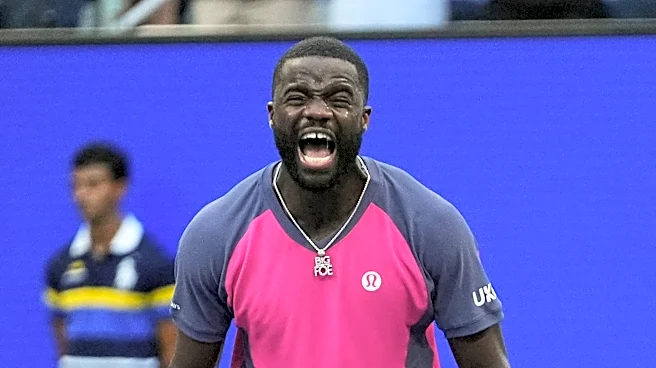
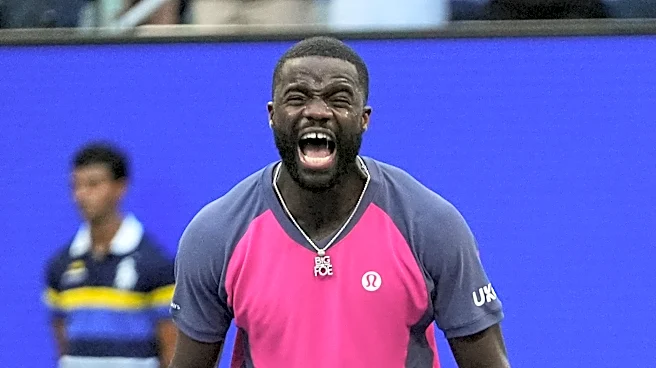
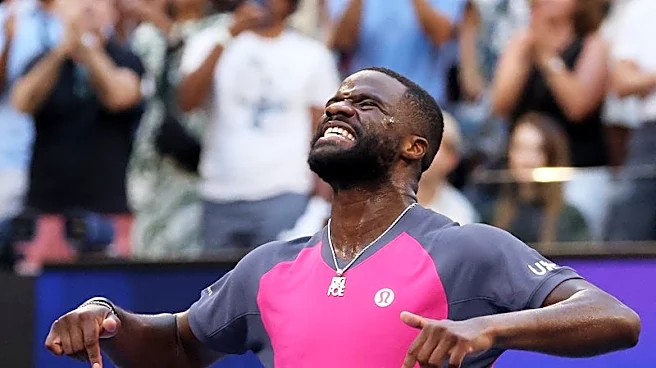
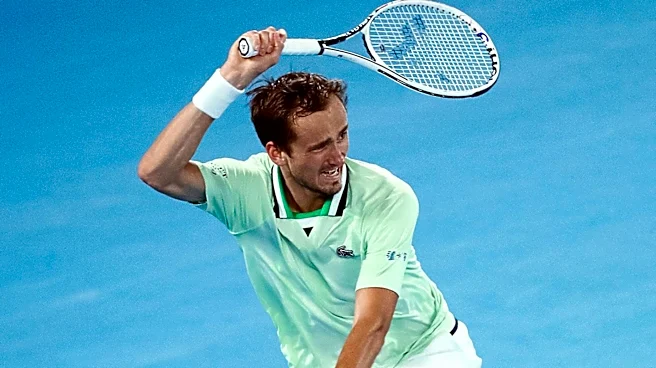
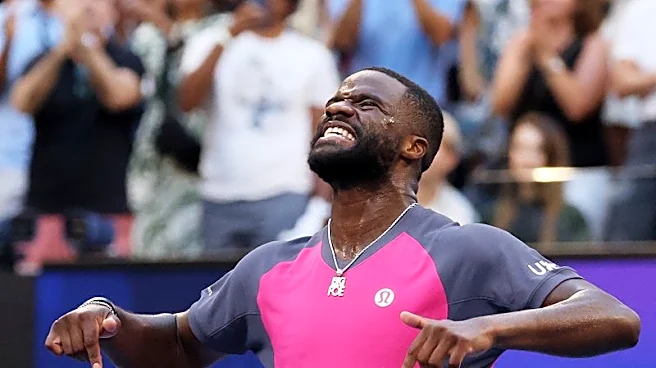
Daniil Medvedev, the 2021 US Open champion and former world No. 1, has expressed significant doubts about his future in professional tennis following his elimination in the round of 16 at the recent US Open. Medvedev suffered a straight-sets loss to Frances
Tiafoe, with scores of 7-6, 6-4, 7-6. Despite making an impressive comeback run at Flushing Meadows, advancing to the second week without dropping a set, he stated that if he were to be content with a fourth-round exit, it would be time to retire. This sentiment comes after a period of inconsistent form for Medvedev, including first-round exits at the Canadian Open and the ATP 250 event in Winston-Salem prior to the US Open. He acknowledged that while his overall campaign at the US Open exceeded initial expectations given his recent struggles, his performance against Tiafoe was disappointing, and he believes he can play '10 times better'.
Why It's Important?
Medvedev's comments are significant for the landscape of men's professional tennis, particularly in the U.S., where he has been a prominent figure, winning the US Open in 2021. His potential retirement or a prolonged period of self-doubt could impact the competitive balance at major tournaments, including future US Opens. As a former world No. 1 and Grand Slam champion, his presence draws considerable viewership and interest. A decline in his consistent top-tier performance, or his eventual departure, would open opportunities for rising stars and alter the dynamics among the sport's elite. For American tennis, specifically, it highlights the continued emergence of players like Frances Tiafoe, who defeated Medvedev, showcasing a shift in power and potentially inspiring a new generation of U.S. talent. The sport thrives on rivalries and established stars, and any uncertainty surrounding a player of Medvedev's caliber creates a void that new narratives will need to fill.
What's Next?
Following his US Open exit, Daniil Medvedev is scheduled to participate in the Asian swing of the tennis calendar, including the Hangzhou Open, the China Open, and the Shanghai Masters. These tournaments will provide an immediate opportunity for Medvedev to regain form and consistency, which he identified as crucial for winning Grand Slams. His performance in these upcoming events will be closely watched to see if he can overcome his current self-doubt and demonstrate the level of play he believes he is capable of. The tennis community will be observing whether his 'worrying update' on his future translates into a renewed determination to improve or if his struggles persist, potentially leading to further contemplation about his career trajectory. His ability to 'turn things around' in the short term will be key to addressing the concerns he raised about his long-term commitment to the sport.
Beyond the Headlines
Medvedev's candid admission about questioning his future if he becomes content with a fourth-round exit reveals the immense mental and emotional pressure faced by elite athletes. It underscores the relentless pursuit of excellence required at the highest levels of professional sports, where anything less than winning Grand Slams can lead to profound self-reflection. This psychological aspect of sports often goes unnoticed, but it is a critical factor in an athlete's longevity and performance. His struggles with consistency, despite his past achievements, highlight the cyclical nature of form in tennis and the constant need for adaptation and mental fortitude. This situation could serve as a case study for aspiring athletes on the psychological demands of maintaining a top-tier career and the internal battles fought even by champions.