





What's Happening?
Susan Young Browne, a 108-year-old resident of Delaware, attributes her remarkable longevity and quality of life to a consistent daily fitness routine, particularly focusing on leg strength. Browne, who still lives independently and renewed her driving
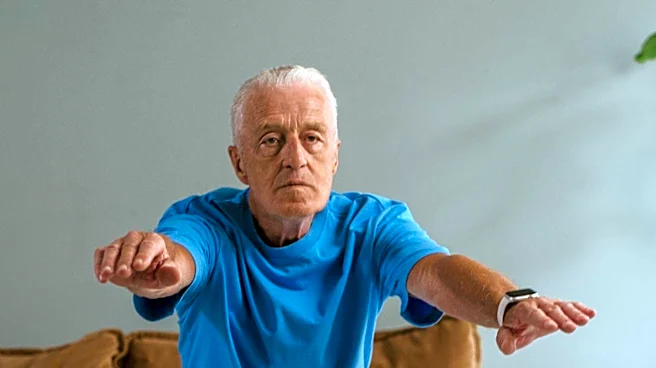
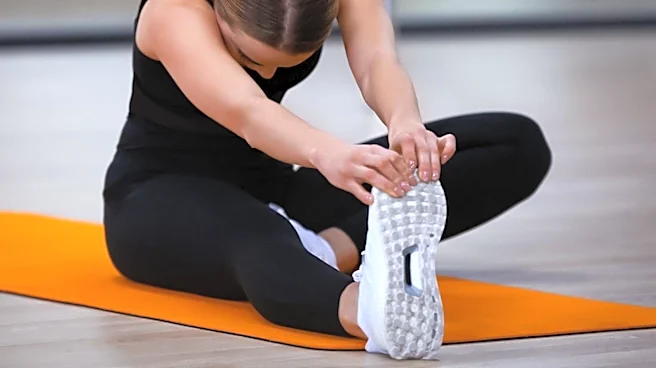
license until 2033, begins each morning with a 10-minute stretching, strengthening, and balancing routine. A key component of her regimen involves simple leg exercises, such as wall sits and bodyweight squats. She also attends chair dancing classes at a local community center and maintains the ability to walk unassisted. Her approach highlights that effective workouts do not need to be lengthy or complex to yield significant health benefits, emphasizing flexibility, mobility, strength, and balance as crucial markers of longevity.
Why It's Important?
The focus on leg strength, as demonstrated by Susan Young Browne, underscores a growing body of evidence linking lower-body strength to not only physical mobility and reduced fall risk but also cognitive function. Studies have indicated that older adults with greater leg strength may have a significantly lower risk of cognitive decline. For instance, one study found a 34% lower odds of low cognitive function in individuals with stronger legs, while a 10-year study on twins revealed a protective relationship between leg power and cognition. Stronger muscles are hypothesized to improve blood flow to the brain, influence nervous system function, and preserve walking speed, all of which are associated with a lower risk of dementia. This highlights the broader public health implications of promoting simple, accessible exercises for maintaining both physical and mental health in the aging U.S. population.
What's Next?
The insights from individuals like Susan Young Browne could encourage healthcare providers and public health initiatives to further emphasize the importance of simple, consistent lower-body exercises for older adults. There may be an increased focus on integrating accessible routines, such as wall sits and squats, into senior wellness programs and recommendations for at-home fitness. Research into the exact mechanisms linking leg strength and cognitive function is ongoing, which could lead to more targeted exercise prescriptions for brain health. Additionally, the story may inspire more individuals to adopt similar low-impact, high-benefit routines, potentially influencing the design of future fitness programs aimed at promoting healthy aging and cognitive resilience across the U.S.
Beyond the Headlines
Beyond the immediate health benefits, Susan Young Browne's story touches upon the broader cultural and societal perceptions of aging. Her continued independence and active lifestyle challenge conventional notions of what is possible at an advanced age, potentially shifting perspectives on retirement and elder care. The emphasis on simple, no-equipment exercises also highlights issues of accessibility and equity in fitness, suggesting that effective health maintenance is not exclusive to those with access to gyms or specialized equipment. This narrative could foster a greater appreciation for the cumulative impact of daily habits on long-term well-being and encourage a more proactive approach to health throughout life, rather than viewing fitness as solely a pursuit for younger demographics.