





What's Happening?
IFF, a global leader in flavors, fragrances, and health and biosciences, has released a new report titled 'GLP-1 Consumer Moments of Opportunity.' This report identifies ten emerging consumer moments that are reshaping food and beverage innovation, particularly
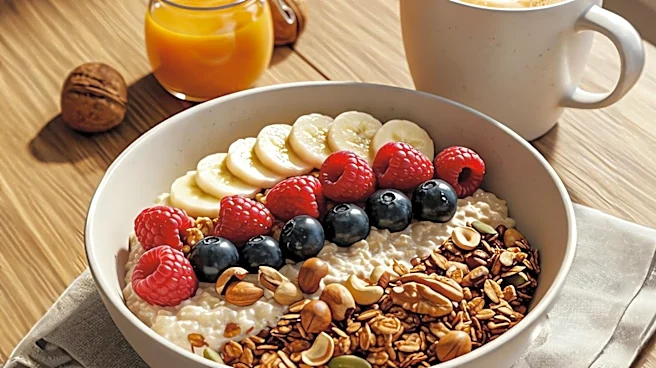
in response to the changing needs of individuals using GLP-1 medications. The research indicates a broader shift in consumer behavior beyond just reduced food intake, with consumers re-evaluating their food and beverage choices throughout the day to meet diverse needs. These moments include 'Protein-First Wake-Up,' 'Midday Bridge,' 'Post-Dose Recovery Window,' 'On-the-Go Fuel Stop,' 'End-of-Day Emotional Reset,' 'Planned Indulgence,' 'Nutritional Insurance Check,' 'Post-Workout Reward,' 'Social Table Moment,' and 'Compliance Snack.' The report also introduces 'Hydration Plus,' which categorizes hydration into five need states: Replenish, Maintain, Revitalize, Perform, and Connect, offering a framework for beverage design. The findings emphasize that consumers are seeking products that align with their health goals while still providing an enjoyable experience. This research was developed in partnership with InsightsNow, utilizing proprietary consumer research with GLP-1 users, analysis of snacking behaviors, social media posts, and secondary industry data.
Why It's Important?
This report is significant for the U.S. food and beverage industry as it highlights evolving consumer demands driven by the increasing use of GLP-1 medications. Manufacturers who adapt their product development strategies to these 'consumer moments' stand to gain a competitive advantage. The focus on specific needs like protein-first routines, post-dose recovery, and planned indulgence indicates a market shift towards more tailored and functional food and beverage options. The 'Hydration Plus' concept further underscores the opportunity for innovation in the beverage sector, moving beyond generic hydration to address specific physiological and emotional needs. Companies that can effectively integrate nutrition, flavor, and functionality into their offerings for these moments will likely see increased consumer engagement and market share. Conversely, businesses that fail to recognize and respond to these changing consumer behaviors risk losing relevance in a rapidly evolving market, impacting their sales and long-term growth.
What's Next?
Food and beverage manufacturers are expected to leverage IFF's report to inform their product development and marketing strategies. This will likely lead to an influx of new products designed to cater to the specific 'consumer moments' identified, such as high-protein breakfast options, easily digestible snacks for post-dose recovery, and portion-controlled indulgent treats. Beverage companies will likely explore new formulations that address the five hydration need states, potentially leading to a wider range of functional beverages. There may also be an increased focus on transparent labeling and communication to help consumers understand how products align with their health and wellness objectives, especially those using GLP-1 medications. The industry will likely see more collaborations between ingredient suppliers like IFF and food manufacturers to innovate and bring these tailored products to market, aiming to capture the growing segment of consumers with evolving dietary needs.
Beyond the Headlines
The implications of IFF's report extend beyond immediate product development, signaling a deeper societal shift in how food and beverages are perceived and consumed, particularly in the context of health management. The rise of GLP-1 medications is not just influencing dietary intake but also fostering a more mindful and intentional approach to eating and drinking. This could lead to a redefinition of 'indulgence' as smaller, more deliberate choices, and a greater emphasis on the emotional and social aspects of food. The report also highlights the growing importance of personalized nutrition and the need for the industry to move away from one-size-fits-all solutions. This trend could spur further research into the psychological and physiological impacts of food choices, leading to more sophisticated product designs that cater to individual well-being. Ultimately, this shift could foster a more health-conscious consumer base, driving long-term changes in food culture and industry practices.