
What's Happening?
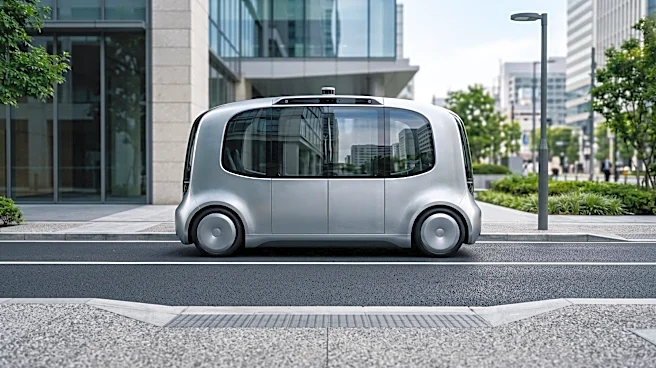
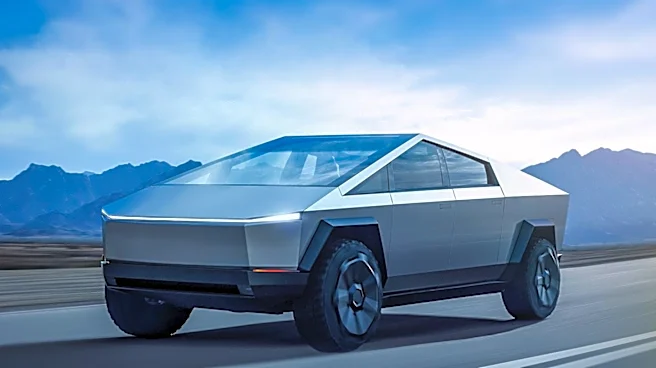
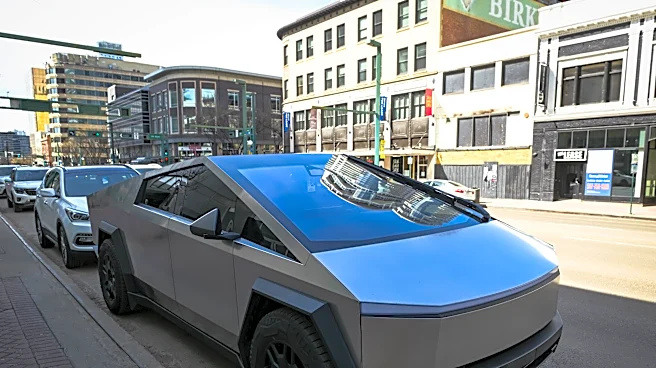
Tesla has announced the 'sale' of Cybercabs to consumers for $29,990, accompanied by a mandatory $299-a-month 'Autonomy Subscription' charge. The Cybercab program is invite-only, limiting who can purchase the vehicle. Furthermore, the vehicles are restricted
to operate in only a few cities, primarily Austin, Texas, and cannot leave designated zones. Despite earlier promises from Tesla CEO Elon Musk that owners could add their Cybercabs to Tesla's Robotaxi network for passive income, the order terms explicitly prohibit owners from using the vehicle for commercial purposes. Tesla AI chief Ashok Elluswamy has indicated Q2 2027 as a potential target for allowing customer cars to join the network. Currently, 278 Cybercabs are in operation across various cities. The National Highway Traffic Safety Administration (NHTSA) is reportedly investigating Tesla regarding the launch, citing concerns about public safety regulations for vehicles without steering wheels and previous failures to adhere to traffic laws.
Why It's Important?
This development is significant for the U.S. automotive industry and consumers, as it introduces a new model for vehicle ownership that combines a purchase price with a recurring subscription for core functionality. The mandatory 'Autonomy Subscription' adds a substantial long-term cost, potentially increasing the vehicle's effective price by thousands of dollars over several years. The restrictions on commercial use and geographical operation limit the utility and potential return on investment for early adopters, contradicting previous expectations of passive income generation. The ongoing investigations by the NHTSA highlight regulatory scrutiny over autonomous vehicle safety and compliance, which could influence future regulations and public trust in self-driving technology. This approach also reflects Tesla's strategic shift towards AI and automation, potentially setting a precedent for how advanced vehicle features are monetized and regulated in the future.
What's Next?
Consumers interested in the Cybercab will need to await an invitation to purchase, and even then, will face significant operational limitations and a mandatory monthly fee. Tesla AI chief Ashok Elluswamy's mention of Q2 2027 as a target for allowing customer cars to join the Robotaxi network suggests a potential future expansion of commercial use, but this remains a future possibility. The NHTSA's ongoing investigations into the Cybercab's compliance with safety regulations and traffic laws could lead to further regulatory actions or changes in Tesla's deployment strategy. The company's long-term vision of dominating terrestrial transportation through AI and automation will likely continue to face scrutiny from regulators and competition from other automotive and technology companies.
Beyond the Headlines
The Cybercab's business model, which bundles a vehicle purchase with a mandatory, ongoing 'Autonomy Subscription,' could represent a broader shift in the automotive industry towards subscription-based services for advanced features. This model raises questions about vehicle ownership, consumer rights, and the long-term cost of technology. The explicit prohibition on commercial use for owners, despite earlier promises, highlights the potential for discrepancies between company rhetoric and actual product capabilities or terms of service. Furthermore, the safety concerns raised by the NHTSA regarding Tesla's autonomous driving systems, particularly the decision to rely solely on cameras, underscore the ethical and legal challenges associated with deploying advanced AI on public roads. This situation could influence public perception of autonomous vehicles and shape future regulatory frameworks for self-driving technology, emphasizing the need for robust safety standards and transparent communication from manufacturers.