






What's Happening?
Brookfield Asset Management foresees that the demand for artificial intelligence (AI) infrastructure will continue to outpace supply through the end of the decade, creating ongoing opportunities for private capital investment. According to a report by
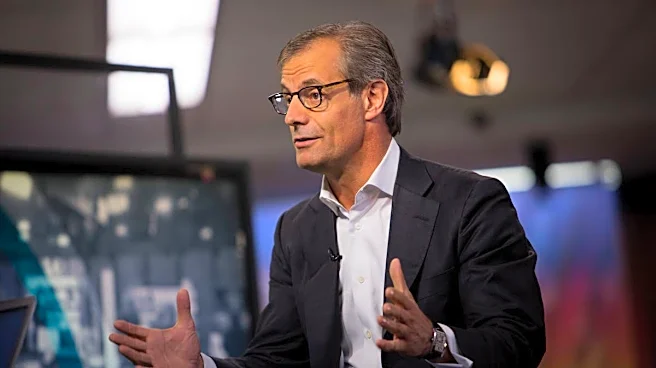
Bloomberg, Brookfield CEO Connor Teskey stated that the need for computing capacity and energy infrastructure significantly exceeds current availability. This projection comes amidst increasing investor apprehension regarding the scale and financing of AI-related capital expenditures. The rapid expansion of AI infrastructure is also driving a surge in demand for electricity generation, transmission networks, and associated energy services, thereby opening up investment avenues beyond just data centers. Teskey's remarks aim to reassure stakeholders about the long-term viability of AI infrastructure investments, even as market participants scrutinize the growing reliance on debt to fund these projects, along with concerns about project economics, borrowing costs, and the timeline for returns.
Why It's Important?
Brookfield's optimistic outlook on AI infrastructure investment is significant because it signals continued confidence from a major asset manager in a sector currently facing financial scrutiny. The sustained demand for computing power and energy infrastructure, as highlighted by Teskey, indicates that the foundational elements of the AI revolution require massive and ongoing capital deployment. This creates a robust environment for private capital, suggesting that despite market concerns about debt financing and project returns, there remains a strong underlying need for these assets. The expansion of AI infrastructure not only drives investment in data centers but also in critical supporting sectors like energy generation and transmission, broadening the scope of investment opportunities. This perspective from Brookfield could influence other institutional investors and private equity firms, potentially encouraging continued capital allocation to AI-related projects and mitigating some of the current market anxieties about a potential 'private credit bubble' in the sector.
What's Next?
As Brookfield continues to identify investment opportunities in AI infrastructure, the market will likely observe how private capital responds to both the sustained demand and the ongoing concerns about financing. Brookfield's strategy suggests a focus on long-term growth and essential infrastructure, which may attract investors looking for stable returns amidst technological advancements. The emphasis on energy infrastructure alongside data centers indicates a holistic approach to AI development, recognizing the interconnectedness of computing power and its energy demands. This could lead to increased investment in renewable energy sources and grid modernization projects to support AI's growing energy footprint. Furthermore, the comments from Brookfield's CEO may serve to counter some of the negative sentiment surrounding AI infrastructure financing, potentially stabilizing investor confidence and encouraging more measured evaluations of project economics and borrowing costs within the sector.
Beyond the Headlines
The divergence between Brookfield's long-term confidence and the immediate market concerns about AI infrastructure financing highlights a critical tension in the current economic landscape. While the technological imperative for AI growth is clear, the financial mechanisms to support it are under intense scrutiny. This situation could lead to a more sophisticated approach to project financing, with a greater emphasis on equity and diversified debt structures rather than solely relying on high-yield bonds. The increased demand for energy infrastructure also brings environmental considerations to the forefront, potentially accelerating investments in sustainable energy solutions to power AI data centers. This could drive innovation in energy efficiency and renewable energy integration, transforming the energy sector alongside the tech industry. Ultimately, the ongoing dialogue between technological demand and financial prudence will shape the future of AI infrastructure development, influencing both its pace and its sustainability.