



What's Happening?
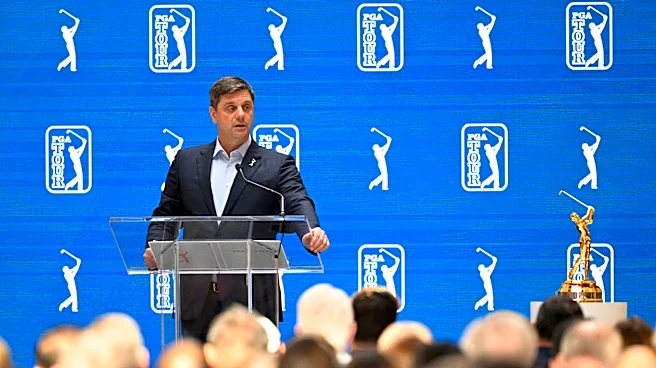
The PGA Tour has announced significant changes to its feeder system, eliminating the PGA Tour Americas in 2028 and establishing a new network of feeder tournaments with a unified ranking system. These changes, approved by the Future Competition Committee
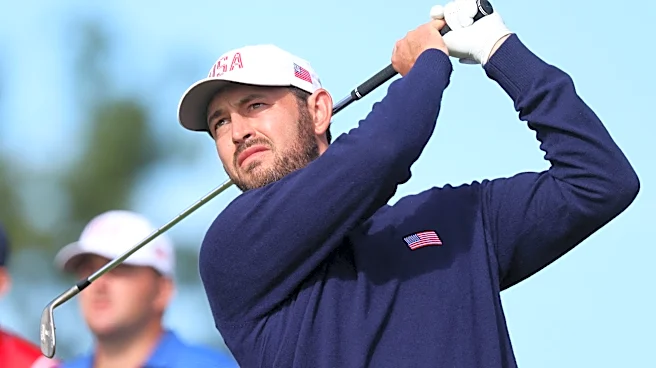
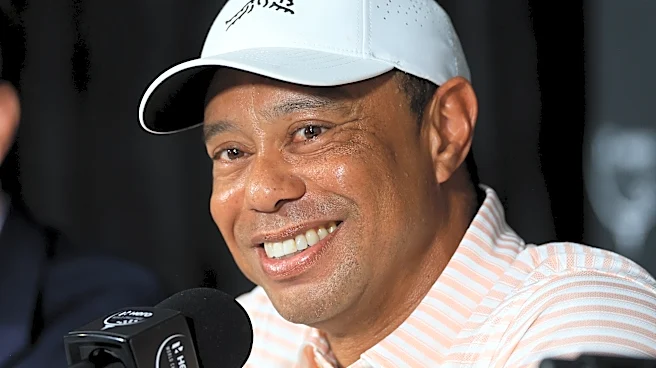
chaired by Tiger Woods, aim to create a more connected and merit-based developmental path for aspiring professional golfers. The new model, set to launch in 2028, will feature a two-tier structure with Championship and Challenger series. The Korn Ferry Tour will continue as a primary feeder, offering at least 20 tournaments with $1 million purses, with the top 20 players advancing to the Challenger Series. Additionally, the PGA Tour board has selected Adam Scott to remain as a player-director, taking over from Patrick Cantlay. Scott's term was set to expire this year, and his reappointment ensures continued player representation in the tour's governance during this transitional period. The tour also plans to elevate the final event of the Challenger Series, granting its winner a direct spot in the Championship Series.
Why It's Important?
This restructuring is a pivotal move for the PGA Tour, designed to enhance the pathway for emerging talent and strengthen the overall competitive landscape of professional golf. By unifying the ranking system and creating a clearer progression from developmental tours to the main PGA Tour, the organization aims to identify and promote skilled players more efficiently. This could lead to a more dynamic and competitive pool of players at the highest level, potentially increasing fan engagement and the overall appeal of PGA Tour events. The increased purses on the Korn Ferry Tour also signify a greater investment in player development, offering more financial stability and incentive for those striving to reach the top. Adam Scott's continued role as a player-director is crucial, as it provides a seasoned player's perspective in the decision-making processes, ensuring that player interests are considered during the implementation of these significant structural changes.
What's Next?
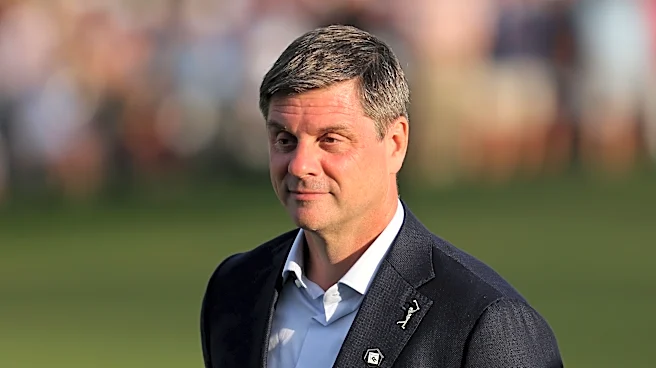
The PGA Tour will now focus on finalizing the details of the new competitive model, including identifying the remaining tournaments for the Championship and Challenger Series. Potential sponsors have already submitted bids for these events, indicating ongoing progress. The tour will also work on establishing the network of PGA Tour-sanctioned affiliate events that will operate throughout the year, replacing the PGA Tour Americas. Further announcements are expected regarding media rights deals, which expire at the end of 2030, as the tour concentrates on a successful launch of the new model in 2028. The Player Advisory Council will assume responsibility for any future proposed changes, following the conclusion of the Future Competition Committee's work. The transition of commissioner duties from Jay Monahan to Brian Rolapp on January 1, 2027, will also be a key development in the tour's leadership.
Beyond the Headlines
The PGA Tour's overhaul of its feeder system reflects a broader strategic effort to adapt to the evolving landscape of professional golf, particularly in response to competitive pressures and the desire to maintain its position as the premier golf tour. The emphasis on a merit-based system and continuous play throughout the year aims to create a more robust and equitable environment for player development, potentially fostering a new generation of golf stars. This move also signals a commitment to long-term sustainability and growth, ensuring a steady pipeline of talent. The tour's focus on creating a unified priority ranking system, similar to world rankings, suggests a more integrated approach to player progression, which could influence how players strategize their careers and how talent is scouted and nurtured globally. The changes also highlight the increasing influence of player input in tour governance, as evidenced by the continued presence of experienced players like Adam Scott on the board.