




What's Happening?
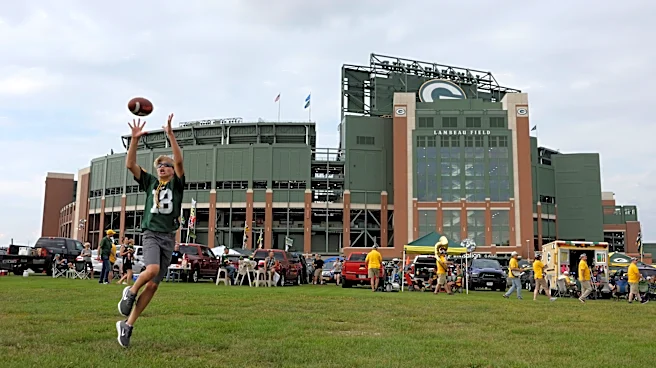
The city of Green Bay, Wisconsin, has officially legalized the harvesting of produce from public spaces through a new city ordinance. This initiative is part of the recently launched Urban Foraging Project, which aims to provide residents with opportunities
to gather food from local parks and public areas. The ordinance specifically permits the harvesting of native plants in parks and along trails, and it supports the growth of local food forests that cultivate traditional fruits, vegetables, and herbs. Maria Otto, conservation corps coordinator for the city, stated that the program is designed to foster a connection between people and nature, emphasizing the availability of items like apples, fruits, nuts, and berries. The first food forest under this project has been established at Seymour Park, featuring over 60 varieties of fruit trees. Dillon Wiest, food forest coordinator for New Leaf Foods, explained that these food forests mimic natural forest ecosystems, differing from traditional gardens that primarily grow annual vegetables.
Why It's Important?
This move by Green Bay represents a significant step in promoting local food access and sustainability within an urban environment. By legalizing foraging, the city is directly addressing food insecurity and providing a free, accessible food source for its residents. This initiative could serve as a model for other municipalities looking to enhance community engagement with natural spaces and bolster local food systems. The project also highlights a shift towards more sustainable urban planning, integrating ecological principles into public land management. It encourages biodiversity by focusing on native plants and diverse fruit-bearing trees, which can contribute to healthier urban ecosystems. Furthermore, the educational component planned by coordinators aims to inform the public about responsible foraging practices, ensuring the long-term viability of these shared resources and fostering a greater appreciation for local flora.
What's Next?
The immediate next steps for Green Bay's Urban Foraging Project involve educating the community before expanding the initiative. Coordinators plan to implement more programming, guided walks, group harvesting events, and training sessions to ensure residents understand how to forage responsibly and sustainably. If the Seymour Park food forest is deemed successful, there are plans to establish smaller projects in other parks across the city. This phased approach emphasizes community involvement and education as crucial elements for the project's growth and success. The city aims to not only provide direct food access but also to cultivate sustainable local food options, suggesting a long-term vision for integrating foraging into the urban landscape. Continued monitoring of the initial food forest and community feedback will likely guide future expansions and policy adjustments.
Beyond the Headlines
The legalization of urban foraging in Green Bay touches upon broader themes of food sovereignty, community resilience, and the redefinition of public spaces. It challenges traditional notions of land ownership and resource allocation by empowering citizens to directly utilize public land for sustenance. This initiative could foster a stronger sense of community ownership and stewardship over public parks and green spaces. Ethically, it promotes a more equitable food system, reducing reliance on commercial food chains and making healthy food more accessible to all socioeconomic groups. Legally, it sets a precedent for how cities can adapt ordinances to support ecological and social well-being. Culturally, it revives ancient practices of foraging, reconnecting urban dwellers with natural food cycles and potentially fostering a deeper appreciation for environmental conservation. This development could inspire a broader movement towards integrating edible landscapes into urban planning nationwide.