




What's Happening?
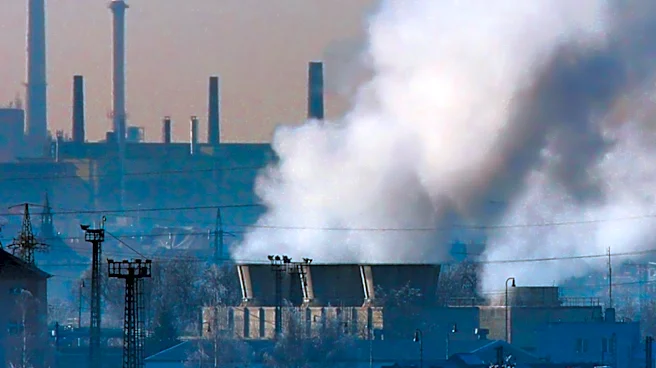
U.S. manufacturing facilities are struggling to transition to cleaner heat technologies due to high electricity costs compared to natural gas. Many factories rely on fossil fuels for heat, contributing significantly to carbon dioxide emissions. While
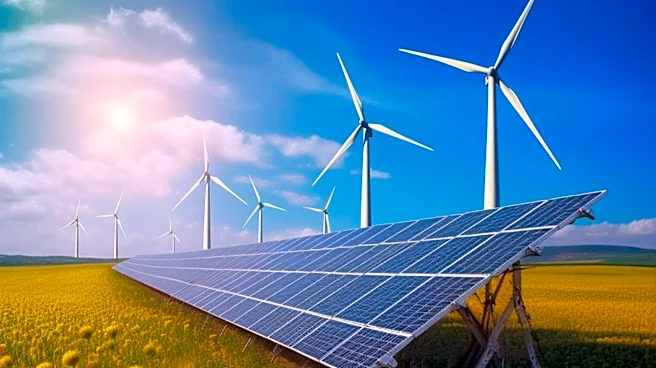
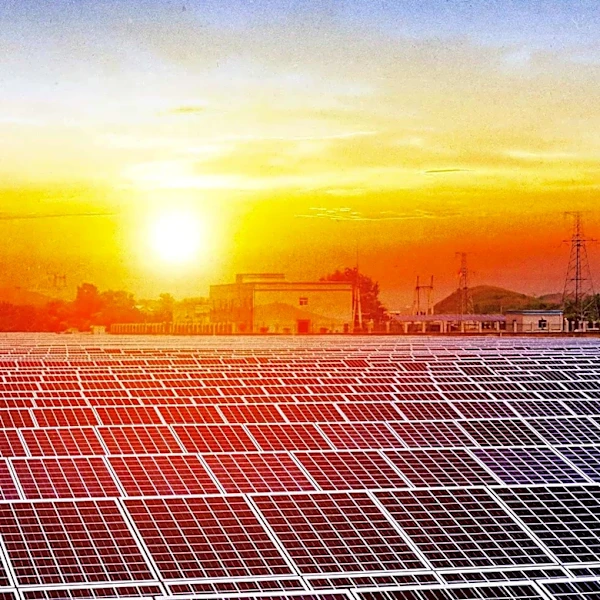
technologies like industrial heat pumps and electric boilers are available, the cost disparity makes it difficult for companies to justify the switch. Researchers suggest that building renewable energy projects directly beside factories could help reduce costs and make clean technologies more viable. This approach could supply up to one-third of industrial heat demand by 2035.
Why It's Important?
The industrial sector is a major contributor to carbon emissions, and transitioning to cleaner heat technologies is crucial for reducing the U.S.'s overall carbon footprint. However, the high cost of electricity poses a significant barrier to this transition. Addressing this issue could unlock substantial economic benefits, including job creation and increased economic output. Policymakers and utilities need to explore solutions to make electricity more affordable for manufacturers, which could accelerate the adoption of clean technologies and support the country's climate goals.