





What's Happening?
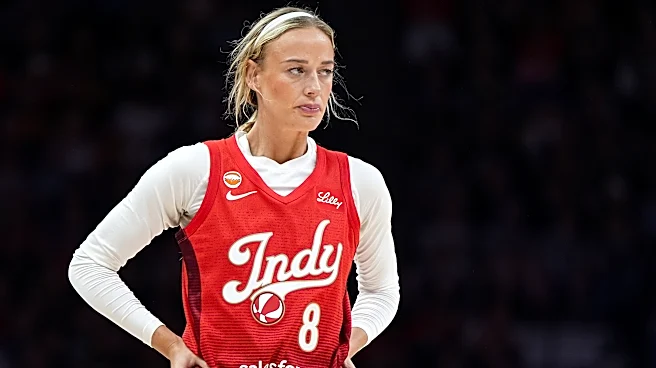
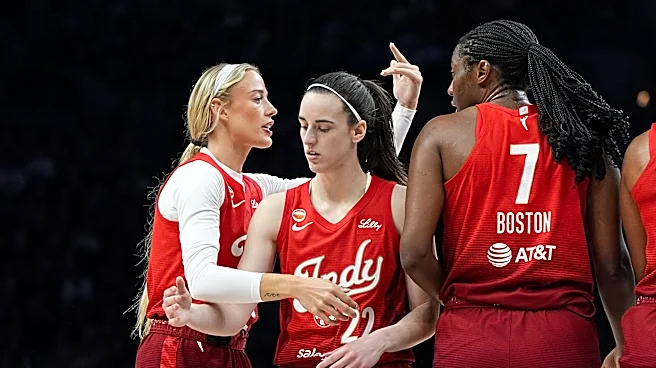
Sophie Cunningham, a player in the WNBA, has sparked controversy with her comments on transgender women in sports. Cunningham, known for her strong presence on the court, expressed her views in an ESPN feature, emphasizing the need to protect women's
sports. Her comments have reignited discussions on transgender inclusion, despite no active transgender women in the league. The WNBA's collective bargaining agreement specifies eligibility for women only, aligning with similar policies by the NCAA and other sports organizations. Cunningham's remarks have led to rallies and debates, highlighting the ongoing cultural and political discourse surrounding transgender athletes.
Why It's Important?
Cunningham's comments and the subsequent debate highlight the complex intersection of sports, gender identity, and policy. The issue of transgender inclusion in sports is a contentious topic, reflecting broader societal debates about gender rights and equality. The WNBA, known for its progressive stance, faces challenges in balancing inclusivity with competitive fairness. This situation underscores the need for thoughtful dialogue and policy-making that considers the rights and experiences of all athletes. The outcome of this debate could influence future sports policies and impact the lives of transgender athletes seeking inclusion in competitive sports.
What's Next?
As the conversation continues, stakeholders in the sports community, including leagues, athletes, and advocacy groups, are likely to engage in further discussions to address the complexities of transgender inclusion. The WNBA Players Association has emphasized the importance of inclusion and denounced the use of players as political pawns. Future policy decisions and public statements from influential figures in the sports world will play a crucial role in shaping the direction of this debate. The ongoing rallies and public discourse suggest that this issue will remain a focal point in sports and cultural discussions.