





What's Happening?
The fashion industry is placing a significant emphasis on specific attributes when selecting editorial models for magazines, advertisements, and other media. A detailed buying guide highlights that editorial models are specialized talents crucial for showcasing
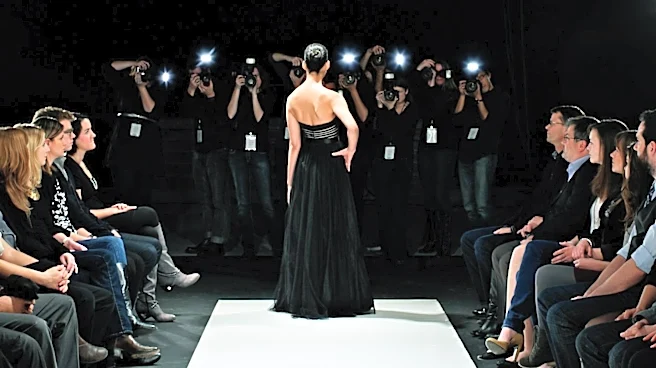
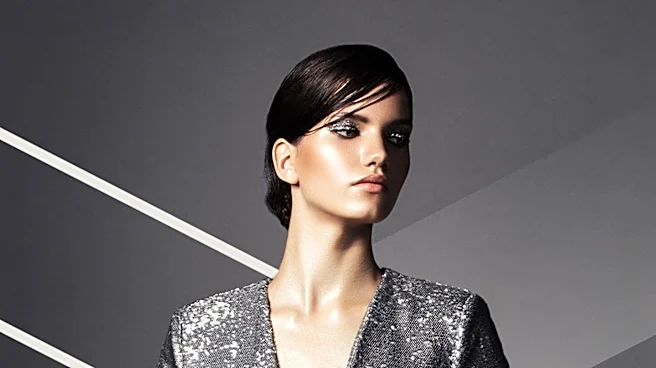
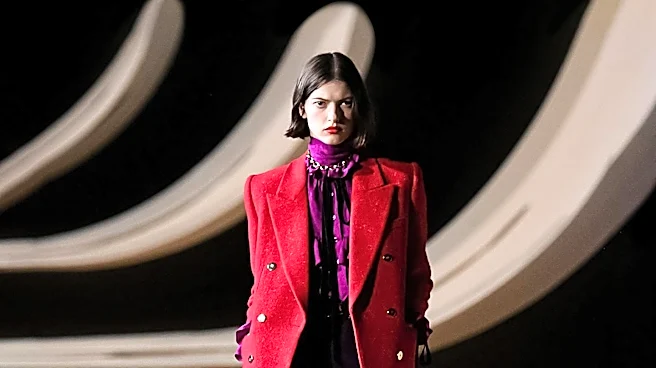
fashion and trends, embodying artistic concepts, and enhancing visual storytelling. Key factors in their selection include versatility, experience, and strong communication skills. Versatility allows models to adapt their looks and poses to various themes, while experience in editorial settings ensures they understand posing, direction, and team interaction. Effective communication is vital for a collaborative on-set environment, enabling models to articulate ideas and receive feedback constructively. The guide also differentiates editorial models from general fashion models, stressing the importance of understanding these distinctions for informed hiring decisions. Finding top talent often involves utilizing reputable model agencies and networking at industry events like fashion shows and exhibitions.
Why It's Important?
This focus on specific model attributes is crucial for the fashion industry as it directly impacts the quality and effectiveness of visual campaigns. By prioritizing versatility, experience, and communication, brands and editorial teams can ensure that their creative visions are accurately and compellingly brought to life. Models who possess these qualities can elevate a shoot, making the final product more engaging and impactful for consumers. This approach also streamlines the production process, reducing potential on-set issues and fostering a more efficient workflow. For models, understanding these criteria is essential for career advancement, as it guides them on what skills to develop and highlight in their portfolios. Ultimately, this refined selection process contributes to higher quality fashion content, influencing trends and consumer perceptions within the U.S. market and beyond.
What's Next?
The emphasis on these specific qualities for editorial models is likely to shape future talent development and agency representation. Model agencies will increasingly seek out and cultivate individuals who demonstrate high levels of versatility, relevant experience, and strong interpersonal skills. Training programs for aspiring models may also adapt to incorporate more focus on these areas, preparing them for the demands of editorial work. Furthermore, fashion brands and publications will continue to refine their casting processes, potentially integrating more rigorous evaluation methods for these attributes. Industry events and networking opportunities will remain critical for scouting new talent, with a keen eye on models who can embody diverse artistic concepts and communicate effectively. This trend suggests a continued professionalization of the editorial modeling sector, aiming for greater efficiency and artistic integrity in fashion campaigns.
Beyond the Headlines
Beyond the immediate practicalities of casting, this detailed approach to selecting editorial models reflects a broader evolution in the fashion industry towards more sophisticated and nuanced storytelling. It underscores the idea that models are not merely mannequins but integral collaborators in the creative process, capable of conveying complex emotions and narratives. This shift highlights the increasing value placed on authenticity and artistic depth in fashion imagery, moving beyond superficial aesthetics. Ethically, it encourages a more professional and respectful working environment, where models are valued for their intellectual and communicative contributions, not just their physical appearance. This could lead to a more inclusive industry that recognizes a wider range of talents and personalities, fostering long-term careers for models who can consistently deliver on these multifaceted demands.