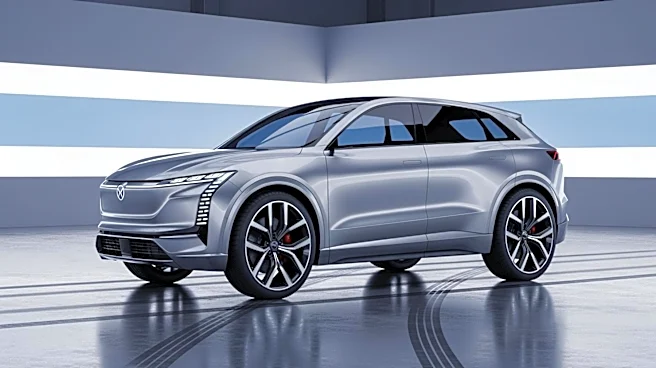











What's Happening?
Audi CEO Gernot Döllner has identified the U.S. market as having more potential for growth than China and Europe. Despite a challenging 2025, where Audi of America saw a 16.1% decline in sales, the company is focusing on the U.S. as a core part of its
global strategy. Audi plans to introduce new models like the Q9 and Q7 SUVs, specifically designed to appeal to North American consumers. These models are expected to compete with luxury brands such as BMW and Mercedes-Benz, which have seen sales growth in the U.S. The focus on the U.S. market is part of Audi's broader strategy to navigate competitive pressures and tariff challenges.
Why It's Important?
Audi's strategic focus on the U.S. market underscores the region's significance in the global automotive industry. As the second-largest new vehicle market, North America offers substantial opportunities for growth, especially in the luxury segment. Audi's emphasis on the U.S. could lead to increased investment in local manufacturing and innovation, potentially boosting the economy and creating jobs. This strategy also highlights the shifting dynamics in the global auto industry, where traditional markets like Europe and China face saturation and regulatory challenges. Audi's success in the U.S. could set a precedent for other automakers to prioritize the region in their growth plans.
What's Next?
Audi's upcoming launch of the Q9 and Q7 models will be crucial in determining its success in the U.S. market. The company plans to unveil the full view of the Q9 in late July, which will provide further insights into its market strategy. Audi's focus on incorporating customer feedback and enhancing vehicle features suggests a commitment to meeting U.S. consumer preferences. The response from competitors and consumers will be pivotal in shaping Audi's future in the region. Additionally, the impact of U.S. tariff policies and economic conditions will continue to influence Audi's operations and strategic decisions.