


What's Happening?
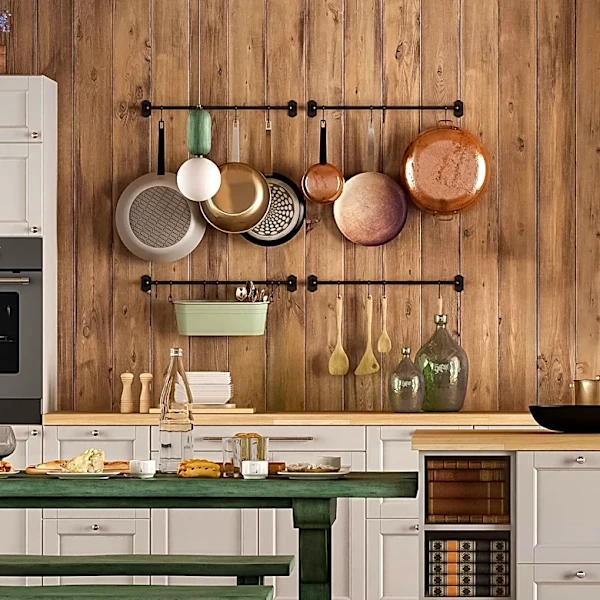
Modern farmhouse homes are gaining popularity by integrating classic farmhouse architectural elements with modern design principles. These homes are characterized by a warm, cozy, and functional aesthetic. Examples include a 2,514 sq ft plan with four
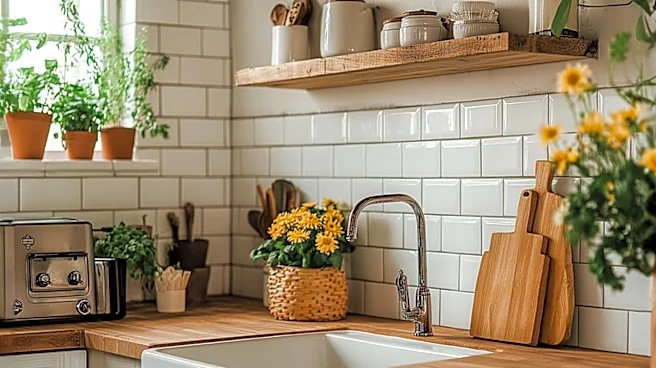
bedrooms and a split layout, featuring an open-concept floor plan, a formal dining area, a sunny breakfast nook, and a dedicated den for versatile use. Another design, the 'Holyfield,' is a 1,825 sq ft two-story home with four bedrooms, two and a half baths, and a dedicated office, optimized for narrow footprints. It showcases crisp white board-and-batten siding, dark window frames, and a prominent front gable. A smaller 1,040 sq ft plan offers two bedrooms and two bathrooms. These designs often incorporate large windows, welcoming porches, and a blend of traditional and contemporary materials, such as wood, stone, and muted plaster, to create a seamless transition between indoor and outdoor living spaces.
Why It's Important?
The rise of modern farmhouse architecture reflects a broader trend in U.S. residential design, where homeowners are seeking a balance between rustic charm and contemporary convenience. This style appeals to a wide demographic, from families desiring spacious, functional layouts to individuals looking for cozy, aesthetically pleasing homes. The emphasis on open-concept living, large windows, and outdoor integration aligns with evolving lifestyle preferences that prioritize natural light and connection to nature. The versatility of these designs, accommodating various square footages and bedroom counts, makes them adaptable to different family sizes and needs. Furthermore, the incorporation of sustainable design elements, such as thickened walls for thermal mass and low-emissivity glazing to reduce solar heat gain, indicates a growing awareness and demand for energy-efficient and environmentally friendly housing solutions in the U.S. housing market.
What's Next?
The continued demand for modern farmhouse designs is likely to influence future residential construction and architectural trends across the U.S. Builders and developers may increasingly offer these styles, potentially leading to more standardized modern farmhouse plans that can be customized to individual preferences. The integration of smart home technology and further advancements in sustainable building materials are also anticipated within this architectural style. As homeowners continue to prioritize comfort, functionality, and aesthetic appeal, the modern farmhouse is expected to evolve, incorporating new innovations while retaining its core appeal. The availability of 'Walk Thru Plans' and customization options suggests a future where prospective homeowners can more easily visualize and tailor their homes before construction, enhancing the overall home-building experience.
Beyond the Headlines
Beyond their aesthetic appeal, modern farmhouse homes represent a cultural shift towards valuing simplicity, authenticity, and a connection to nature in residential living. This trend can be seen as a response to the fast-paced, technology-driven modern world, offering a sense of retreat and comfort. The blend of traditional and modern elements also reflects a desire for timeless design that can adapt to changing tastes and technologies without becoming outdated. Ethically, the focus on sustainable design and energy efficiency in some modern farmhouse plans highlights a growing consciousness about environmental impact in construction. This architectural movement could also influence local zoning laws and community planning, as more homeowners seek to build homes that blend seamlessly with natural landscapes while offering contemporary amenities.