




What's Happening?
New Mexico is actively embracing Dia de Muertos, a vibrant tradition that honors deceased loved ones through rituals, art, and remembrance. State historian Rob Martinez describes the event as transformative, turning a potentially scary topic into something
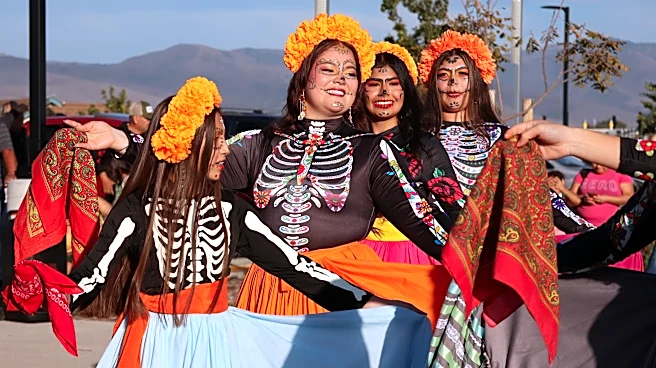
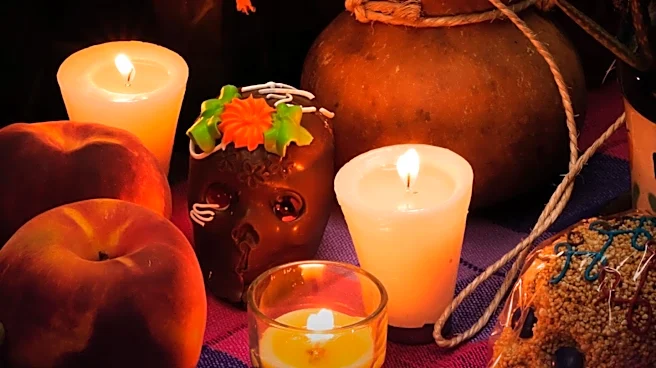
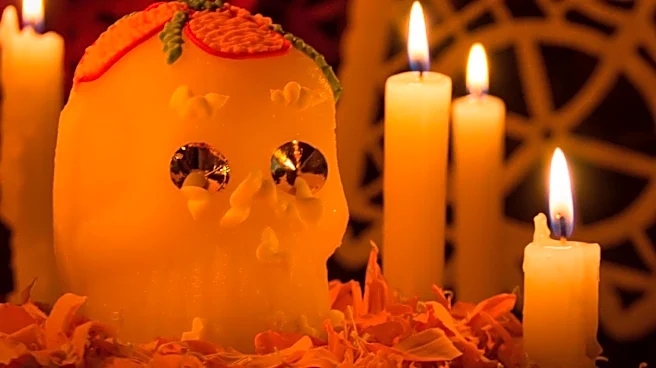
beautiful and festive. The tradition has deep historical roots, originating from indigenous communities in Mexico and later intertwining with religious observances after Spanish colonization. Central to the celebration are ofrendas, or altars, adorned with photos of family members and items they enjoyed, along with bright orange marigold flowers to guide spirits. The festivities typically occur on November 1 and 2, believed to be a time when the veil between the living and the dead is thin. Face painting, inspired by traditional calaveras, has become a modern artistic expression, with artists emphasizing cultural awareness. Debbie Ball, owner of The Candy Lady in Old Town Albuquerque, annually crafts nearly a thousand sugar skulls, a practice rooted in indigenous use of amaranth and honey, later adapted with sugar-paste techniques.
Why It's Important?
The widespread celebration of Dia de Muertos in New Mexico highlights the state's rich cultural diversity and its connection to Mexican heritage. This tradition is important for preserving cultural identity and providing a meaningful way for communities to process grief and remember loved ones. By transforming remembrance into a festive occasion, it offers a unique perspective on mortality that can be comforting and unifying. The emphasis on traditional arts, such as sugar skull making and ofrenda decoration, supports local artisans and cultural practitioners, ensuring these skills and customs are passed down. Furthermore, the event fosters community engagement and education, allowing both those with direct ties to the tradition and newcomers to learn about and participate in a significant cultural practice.
What's Next?
As Dia de Muertos approaches each year, communities across New Mexico will continue their preparations, including the creation of ofrendas, organizing public celebrations, and crafting traditional items like sugar skulls. Local businesses, like The Candy Lady, will begin their seasonal production of traditional treats months in advance. Cultural institutions and community centers will likely host workshops and events to educate the public and facilitate participation in the festivities. The ongoing embrace of Dia de Muertos suggests a continued growth in its popularity and visibility within New Mexico, potentially leading to more elaborate and widespread celebrations in future years, further solidifying its place in the state's cultural calendar.
Beyond the Headlines
The integration of Dia de Muertos into the cultural landscape of New Mexico reflects a broader societal shift towards recognizing and celebrating diverse cultural heritages within the United States. This tradition offers a powerful counter-narrative to the often-individualistic and somber approach to death prevalent in some Western cultures, promoting a communal and celebratory form of remembrance. The artistic expressions, from face painting to sugar skulls, serve not only as decorative elements but also as profound symbols of life, death, and continuity. This cultural exchange enriches the American experience, fostering empathy and understanding across different backgrounds and demonstrating how ancient traditions can find new life and meaning in contemporary society, contributing to a more inclusive national identity.