
What's Happening?
New Line Cinema, historically known as 'The House That Freddy Built' due to its success with the 'A Nightmare on Elm Street' franchise, is navigating significant changes regarding its horror properties.
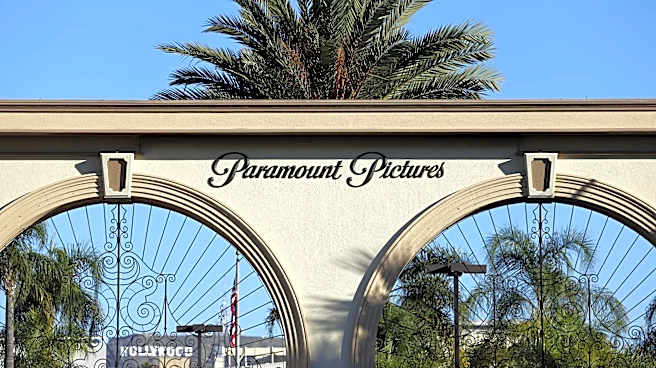
Following corporate consolidation, specifically the Paramount-Skydance acquisition of Warner Bros., a planned reboot of 'A Nightmare on Elm Street' by filmmaker Lee Cronin has been scrapped. This decision came after Warner Bros. had pursued Cronin for a rival installment while Paramount had already secured domestic rights from the Wes Craven estate for its own project under the Paramount Primal banner. The merger's finalization led to the unified Skydance umbrella discontinuing the Cronin project, clearing the path for Paramount Primal's version. This development marks a notable shift in the ownership and creative direction of the iconic horror franchise, with Freddy Krueger now effectively moving to Paramount's domain, a studio previously associated with Jason Voorhees.
Why It's Important?
This corporate maneuvering highlights the complex landscape of intellectual property ownership and film production in Hollywood, particularly within the horror genre. The shift of the 'A Nightmare on Elm Street' franchise from New Line Cinema's direct control to Paramount Primal, following a major merger, demonstrates how studio consolidations can directly impact the future of established film series. For fans, it signifies a new creative direction for Freddy Krueger, potentially altering the tone and style of future films. For the industry, it underscores the strategic importance of securing rights to popular franchises and the competitive nature of studio development, where projects can be initiated and then discarded based on broader corporate strategies and mergers. The outcome also reflects the ongoing trend of studios leveraging existing intellectual property for new content, often leading to reboots or continuations of beloved series.
What's Next?
With Lee Cronin's 'A Nightmare on Elm Street' project officially scrapped, Paramount Primal is now positioned to move forward with its own iteration of the franchise. Currently, no writer or director has been announced for Paramount's film, but the project remains tied to the Craven estate, suggesting an effort to maintain a connection to the franchise's original foundation. The focus will now be on Paramount to develop a new creative vision for Freddy Krueger that can resonate with both long-time fans and new audiences. Future developments will likely involve announcements regarding the creative team and the direction they intend to take the iconic horror character. The success of this new venture will be closely watched as it represents a significant chapter in the ongoing legacy of 'A Nightmare on Elm Street'.
Beyond the Headlines
The shifting ownership of horror icons like Freddy Krueger and Jason Voorhees, as seen with New Line Cinema's historical role and the current changes, reflects a broader trend in Hollywood where intellectual property is a highly valuable and transferable asset. This constant re-evaluation and reallocation of franchise rights can lead to both creative revitalization and potential dilution of established brands. The 'surreal role reversal' of Freddy moving to Jason's former studio home underscores how corporate decisions can create unexpected narrative parallels within the lore of these characters. It also raises questions about the long-term impact of such mergers on creative freedom and the distinct identities of film studios, as once-independent entities become part of larger conglomerates, potentially homogenizing their output or leading to more streamlined, commercially driven decisions regarding beloved franchises.