




What's Happening?
The simplicity and minimalist living trend is gaining significant traction, characterized by a strong emphasis on quality, functionality, and space-saving designs. This shift is evident in various sectors, including furniture design, where there's a move
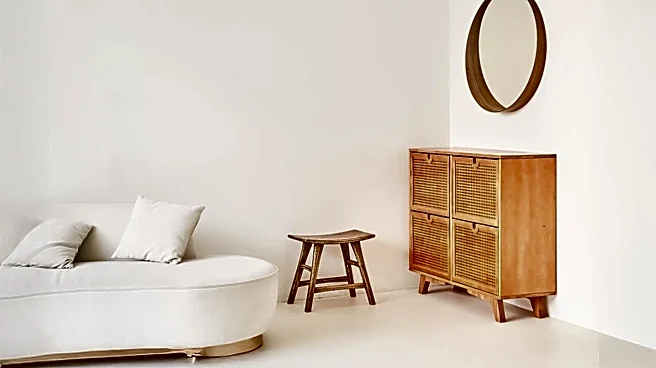
away from bulky, solid-wood pieces towards modular, minimalist, and space-efficient options. For instance, urban areas are seeing increased demand for engineered wood and lacquered finishes, often inspired by Scandinavian interior design principles that prioritize bright, calm, and functional spaces with natural materials. This trend also extends to broader aesthetics, such as the 'old money' style, which highlights restraint, architectural grace, understated shades, and classic upholstery. The core idea is to find 'complexity in simplicity,' where authentic minimalist items often feature hidden details and precise construction that serve functional purposes, distinguishing them from mere lack of effort. This focus on thoughtful design and utility is reshaping consumer preferences across different markets.
Why It's Important?
This trend signifies a broader cultural and economic shift towards conscious consumption and optimized living, particularly relevant in urban environments where space is at a premium. For industries, it means a re-evaluation of product design, manufacturing processes, and marketing strategies. Furniture manufacturers, for example, must innovate to offer modular, multi-functional, and aesthetically clean products that cater to smaller living spaces and a desire for less clutter. This impacts supply chains, material sourcing (favoring engineered wood and natural fibers), and design philosophies. Consumers stand to gain from more functional, durable, and aesthetically pleasing products that contribute to a less cluttered and more serene living environment. Conversely, businesses that fail to adapt to this demand for quality, functionality, and minimalist aesthetics may see declining relevance. The emphasis on 'complexity in simplicity' also encourages a deeper appreciation for craftsmanship and thoughtful design over superficial branding, potentially fostering a market for higher-quality, long-lasting goods.
What's Next?
The continued evolution of this trend will likely see further innovation in smart, space-saving solutions across various product categories, from home goods to personal accessories. Designers and manufacturers will increasingly focus on sustainable materials and production methods, aligning with the minimalist ethos of reducing waste and promoting longevity. We can expect to see more integration of technology into minimalist designs, enhancing functionality without adding visual clutter. Retailers will need to curate their offerings to reflect this preference for quality over quantity, potentially leading to more specialized boutiques and online platforms that cater to discerning consumers. Furthermore, the 'less is more' philosophy could influence urban planning and architectural design, promoting smaller, more efficient living spaces and a greater emphasis on communal areas. Educational initiatives promoting decluttering and mindful consumption may also gain traction, reinforcing the societal shift towards a simpler, more intentional lifestyle.
Beyond the Headlines
The minimalist trend extends beyond mere aesthetics, touching upon deeper psychological and societal implications. It reflects a growing desire for mental clarity and reduced stress in an increasingly complex world. By decluttering physical spaces, individuals often seek to declutter their minds, leading to improved well-being. This movement challenges consumerism's traditional emphasis on accumulation, promoting instead a focus on experiences and essential items. Ethically, it encourages sustainability by advocating for durable, high-quality products that reduce the need for frequent replacements, thereby lessening environmental impact. Culturally, it represents a shift towards valuing intrinsic worth and functionality over superficial status symbols. This could lead to a redefinition of luxury, where true luxury is found in simplicity, craftsmanship, and the freedom from excessive possessions. The long-term impact could be a more sustainable and mindful society, where resources are used more efficiently and personal satisfaction is derived from intentional living rather than material abundance.