







What's Happening?
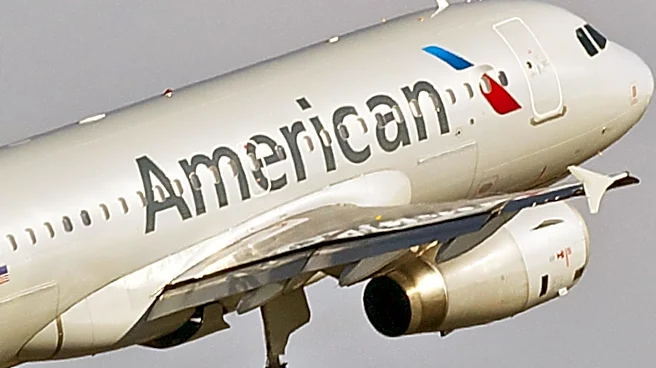
American Airlines has agreed to pay $200,000 to resolve a disability discrimination lawsuit filed by the U.S. Equal Employment Opportunity Commission (EEOC). The lawsuit, filed in the U.S. District Court for the Northern District of Texas, Fort Worth
Division, alleged that American Airlines failed to provide reasonable accommodation to an employee at its Fort Worth location who developed cortical blindness. The employee requested screen reader software to perform her job duties or a transfer to another position. Instead, American Airlines allegedly kept her on unpaid, involuntary leave for nearly four years before terminating her. This conduct is a violation of the Americans with Disabilities Act (ADA), which mandates employers to offer reasonable accommodations for known disabilities unless it causes undue hardship, and prohibits termination based on disability, especially when due to a failure to accommodate. The settlement includes monetary relief for the affected employee and a commitment from American Airlines to integrate Web Content Accessibility Guidelines into its new reservation software, projected for launch in 2027.
Why It's Important?
This settlement underscores the critical importance of the Americans with Disabilities Act (ADA) in protecting the rights of employees with disabilities in the U.S. workforce. The EEOC's successful litigation and the subsequent settlement with a major airline like American Airlines send a clear message to all employers about their legal obligations to provide reasonable accommodations. For individuals with disabilities, this case reinforces the availability of legal recourse when employers fail to meet these obligations, potentially preventing prolonged periods of unpaid leave or wrongful termination. The requirement for American Airlines to integrate Web Content Accessibility Guidelines into its new software sets a precedent for digital accessibility, highlighting the growing recognition that reasonable accommodation extends to technological tools. This could influence other large corporations to proactively review and enhance their digital platforms for accessibility, thereby expanding employment opportunities for individuals with visual impairments and other disabilities across various industries.
What's Next?
Following this settlement, American Airlines will proceed with the integration of Web Content Accessibility Guidelines into its new reservation software, with a projected launch in 2027. This commitment will be monitored under a two-year consent decree. The EEOC will likely continue its oversight to ensure compliance with the terms of the settlement and the broader ADA requirements. Other companies, particularly those in the aviation and technology sectors, may face increased scrutiny regarding their accessibility practices and accommodations for employees with disabilities. This case could also encourage more individuals who have experienced similar discrimination to file complaints with the EEOC, potentially leading to a rise in disability discrimination claims. Furthermore, the emphasis on digital accessibility may prompt a broader industry shift towards incorporating accessibility standards into new software development from the outset, rather than as an afterthought.
Beyond the Headlines
This case extends beyond a single settlement, highlighting the evolving landscape of workplace accessibility in the digital age. The demand for screen reader software as a reasonable accommodation points to the increasing reliance on technology in all job functions and the necessity for employers to ensure their digital tools are accessible. This raises ethical considerations about inclusive design and the responsibility of companies to create environments where technology empowers, rather than hinders, employees with disabilities. The long-term implications could include a push for universal design principles in corporate software development, making accessibility a core component of technological innovation. This shift could foster a more inclusive work culture, where employees with diverse abilities can fully participate and contribute, ultimately benefiting both individuals and the broader economy by tapping into a wider talent pool. It also underscores the legal system's role in adapting to technological advancements to uphold civil rights.