








What's Happening?
Strength training is increasingly recognized as a crucial component of health for older adults, extending beyond cardiovascular activities like walking. As individuals age, maintaining muscle strength becomes vital for preserving mobility, balance, and
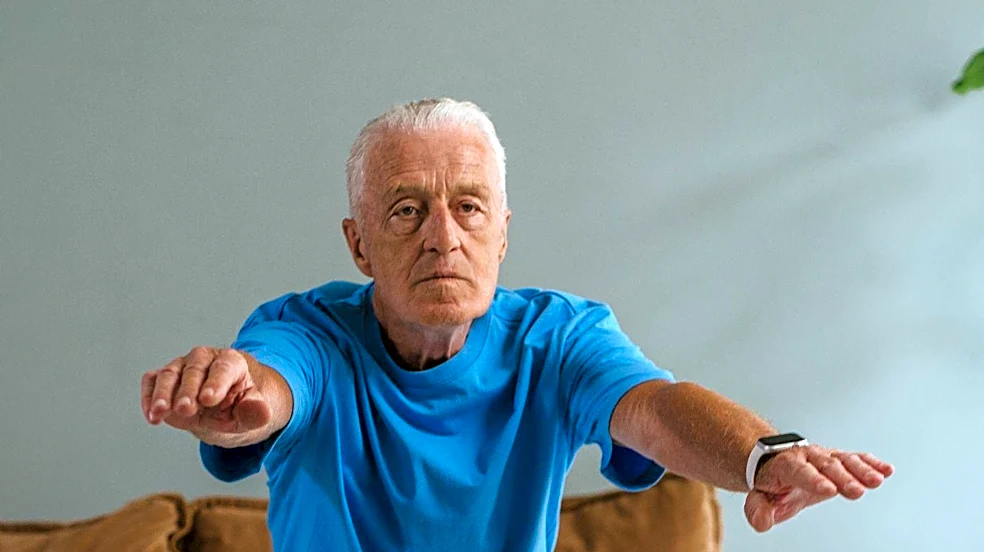
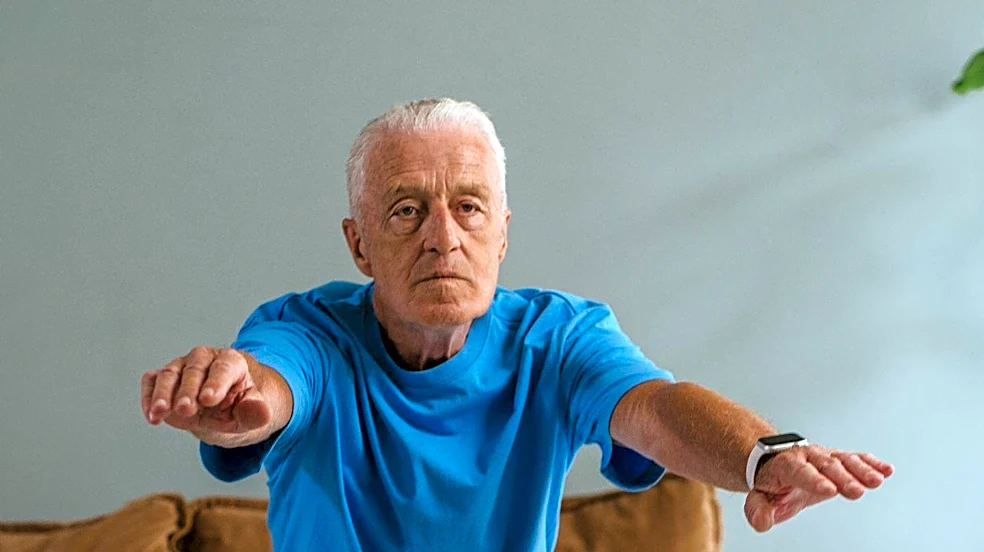
overall independence. The natural process of muscle mass decline, known as sarcopenia, often accelerates after age 60, making everyday tasks progressively more challenging without regular resistance exercise. Research from the National Institute on Aging highlights that strength training helps older adults maintain muscle mass, improve mobility, and preserve independence, with aging muscles continuing to respond positively to resistance training well into senior years. This form of exercise does not necessarily require heavy weights or extensive gym time; effective resistance training can involve light dumbbells, resistance bands, weight machines, or bodyweight exercises. The focus is on consistency and proper form rather than the amount of weight lifted, making it accessible for various fitness levels and physical conditions.
Why It's Important?
The emphasis on strength training for older adults carries significant implications for public health and quality of life in the U.S. population. With an aging demographic, maintaining physical function and independence can reduce the burden on healthcare systems and improve the well-being of seniors. Stronger leg and core muscles, developed through strength training, directly contribute to improved stability and movement control, which can help mitigate the serious concern of falls among older adults. Falls often lead to injuries, hospitalizations, and a decline in independence. By making everyday activities like standing from a seated position, climbing stairs, or carrying groceries easier, strength training supports long-term independence, allowing older adults to continue engaging in recreational activities and avoid reliance on others for daily living. This proactive approach to fitness can lead to a more active and confident senior population, benefiting both individuals and society.
What's Next?
The growing awareness of the benefits of strength training for older adults suggests a continued push for accessible and tailored fitness programs. Healthcare professionals and fitness trainers are likely to increasingly recommend and design personalized training plans that consider individuals' previous injuries, physical limitations, and current fitness levels. This personalized approach ensures that it is never too late for older adults to begin strength training safely and effectively. The development of beginner-friendly exercises, such as supported squats, wall push-ups, and seated leg extensions, will likely expand, making it easier for those new to resistance training to build a foundational strength. Furthermore, the availability of home-based resistance training options, utilizing light dumbbells, resistance bands, or bodyweight, is expected to grow, removing common barriers like travel time or gym crowds and promoting consistent exercise habits.
Beyond the Headlines
Beyond the immediate physical benefits, the promotion of strength training for older adults touches upon deeper societal and psychological implications. It challenges the perception that weakness and reduced mobility are inevitable aspects of aging, fostering a more empowered view of later life. By enabling seniors to maintain their physical capabilities, strength training contributes to their mental well-being, confidence, and social engagement. The ability to participate in hobbies, travel, and interact with grandchildren without physical limitations can combat feelings of isolation and depression often associated with aging. This shift in perspective, from passive acceptance of decline to active pursuit of physical resilience, could lead to a broader cultural change in how aging is perceived and managed in the U.S., emphasizing proactive health and sustained vitality throughout the lifespan.