


What's Happening?
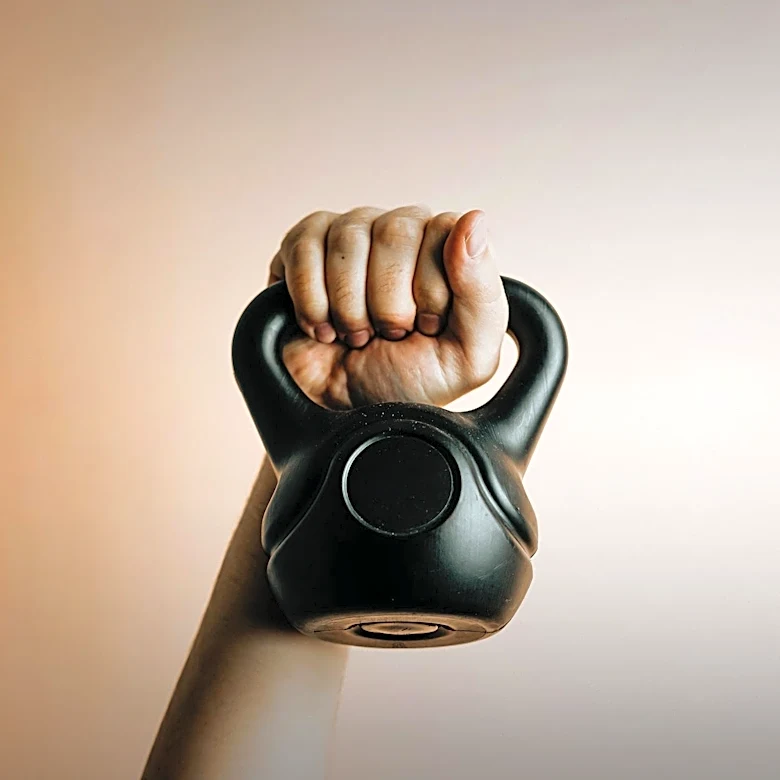
Adjustable kettlebells are receiving high praise from users for their ease of use, durability, and space-saving design, according to customer reviews. Users highlight the convenience of adjustable kettlebells, which allow for dynamic and explosive movements
while offering a natural grip due to their cast iron construction. The ability to change weights within a single unit is particularly valued by individuals with limited space for a full gym setup, such as those with home gyms in bedrooms or small garages. Reviewers commend the quality of craftsmanship, coating, and individually machined weights, noting that the products feel solid and well-made. The adjustable nature of these kettlebells is seen as a significant advantage, providing versatility and progressive overload for various exercises, from strength training to injury prevention and rehabilitation. Many users express satisfaction with the secure pin mechanisms and the minimal movement of inserts, making them feel comparable to traditional, non-adjustable kettlebells.
Why It's Important?
The positive reception of adjustable kettlebells holds significant implications for the U.S. fitness market and consumer trends. As more Americans embrace home workouts, driven by factors such as convenience, cost-effectiveness, and personal preference, the demand for space-saving and versatile equipment is on the rise. Adjustable kettlebells directly address these needs, offering a comprehensive strength training solution without requiring multiple individual weights. This trend benefits manufacturers and retailers of fitness equipment, as it points to a growing market segment willing to invest in high-quality, multi-functional tools. For consumers, the ability to perform a wide range of exercises with a single piece of equipment can lead to more consistent workout routines and improved fitness outcomes. Furthermore, the emphasis on durability and quality in reviews suggests a consumer preference for long-lasting products, influencing manufacturing standards and product development in the industry. The versatility also supports diverse fitness goals, from muscle building to injury recovery, making these tools relevant to a broad demographic.
What's Next?
The strong positive feedback for adjustable kettlebells suggests a continued expansion of their market presence. Manufacturers are likely to further innovate in this product category, potentially introducing more advanced adjustment mechanisms, wider weight ranges, and ergonomic designs to enhance user experience. We may see increased competition among brands, leading to a greater variety of adjustable kettlebell options and potentially more competitive pricing. Retailers, both online and brick-and-mortar, will likely expand their inventory of these products to meet consumer demand. Additionally, fitness content creators and trainers may develop more specialized programs and tutorials specifically for adjustable kettlebells, further popularizing their use and demonstrating their full potential. The success of these products could also inspire similar innovations in other types of adjustable fitness equipment, as the demand for efficient, space-saving home gym solutions continues to grow.
Beyond the Headlines
The enthusiasm for adjustable kettlebells reflects a broader societal shift towards optimizing personal space and resources, even in fitness. This trend moves beyond simply exercising to a more integrated approach where fitness equipment must seamlessly fit into daily life and living environments. The 'set it and forget it' mentality, where a single piece of equipment can serve multiple functions, aligns with a desire for simplicity and efficiency in an increasingly complex world. Ethically, the accessibility and versatility of adjustable kettlebells can contribute to greater health equity, allowing individuals with limited space or budget to engage in effective strength training. This democratizes fitness, making it less reliant on large, expensive gym facilities. Culturally, it reinforces the idea that significant fitness gains can be achieved through smart, minimalist choices, challenging the notion that more equipment always equals better results. This could lead to a more mindful and sustainable approach to fitness consumption, prioritizing utility and longevity over sheer volume of equipment.