





What's Happening?
Slow travel is an intentional approach to exploring the world that prioritizes depth of experience and meaningful connections over the rapid consumption of multiple destinations. This method encourages travelers to view the journey itself as an integral
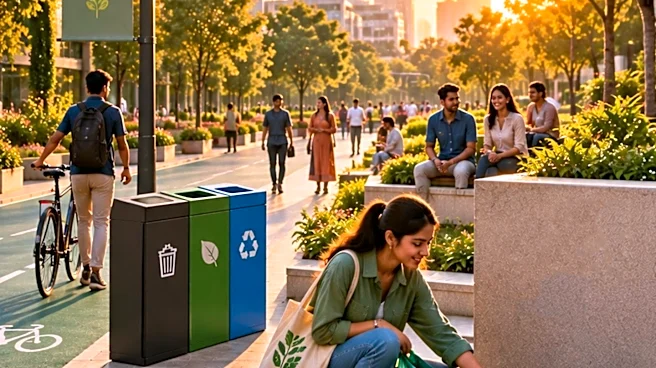
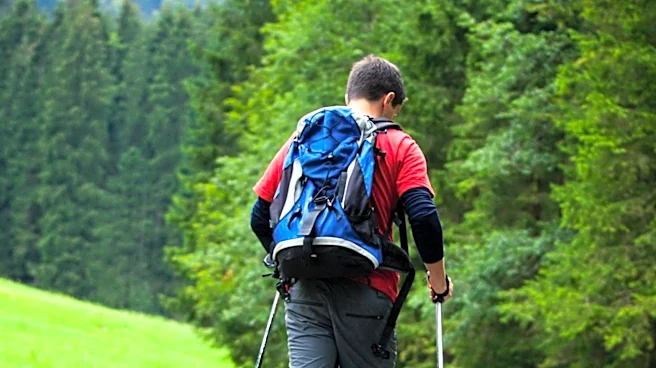
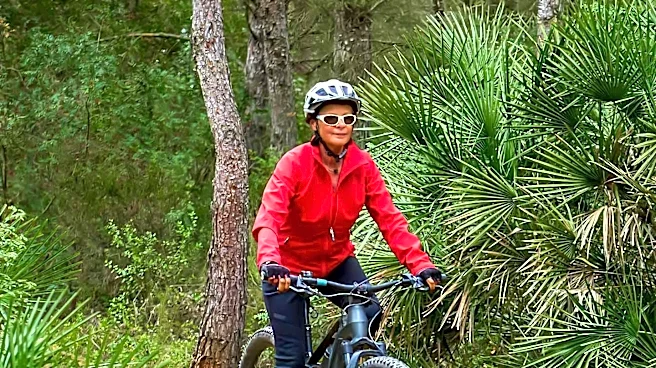
part of the destination, fostering a deeper appreciation for local cultures and interactions with residents. Instead of rushing from one attraction to the next, slow travel advocates for savoring moments, whether by walking or cycling, which allows for a more intimate observation of landscapes, architecture, and daily life. The core idea is to move at a human pace, enabling travelers to notice details often missed when traveling quickly. This approach doesn't necessarily mean visiting fewer places but rather focusing on the quality of engagement with each location, transforming travel from an exercise in efficiency into a rich, immersive experience.
Why It's Important?
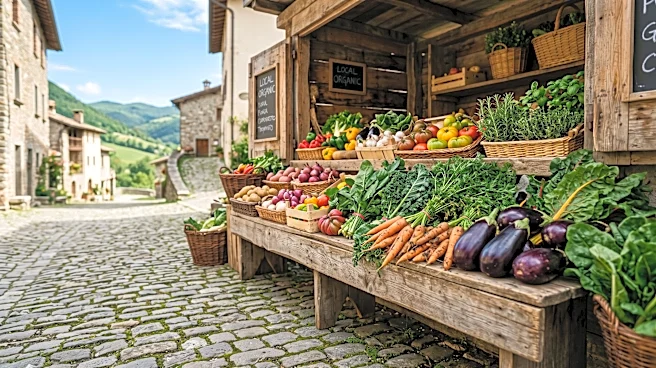
The growing emphasis on slow travel reflects a broader societal shift towards mindfulness and quality over quantity, impacting the U.S. tourism industry and individual travel habits. For travelers, it offers a potential antidote to travel burnout, promoting mental well-being and a more profound understanding of visited locales. This trend could influence how U.S. travel agencies and hospitality businesses market their services, potentially shifting focus from packed itineraries to immersive, longer-stay experiences. Local economies in less-traveled areas might benefit as slow travelers are more likely to explore beyond major tourist hubs, spending more time and money in smaller communities. Furthermore, it encourages a more sustainable form of tourism, reducing the environmental impact often associated with fast-paced, high-volume travel, aligning with increasing consumer demand for eco-conscious options.
What's Next?
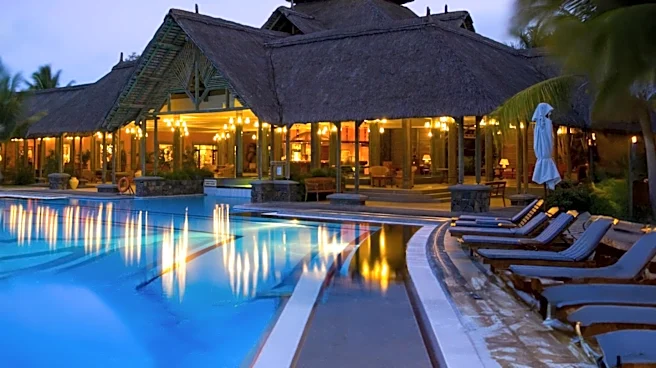
As the concept of slow travel gains traction, U.S. travel providers may increasingly adapt their offerings to cater to this market. This could lead to the development of more specialized tours focusing on walking, cycling, and extended stays in single regions, emphasizing cultural immersion and local engagement. We might see a rise in demand for accommodations that facilitate longer visits, such as vacation rentals and boutique hotels offering unique local experiences. Policy discussions around sustainable tourism could also gain momentum, with destinations exploring ways to encourage slower, more responsible travel patterns. Travelers themselves may begin to re-evaluate their priorities, opting for fewer, more meaningful trips rather than numerous short, rushed excursions, potentially altering booking patterns and travel seasons.
Beyond the Headlines
The philosophy of slow travel extends beyond mere vacation planning, touching upon deeper ethical and cultural dimensions. It challenges the modern inclination towards constant productivity and efficiency, suggesting that value can be found in deliberate slowness and observation. Ethically, it promotes a more respectful engagement with host communities, moving away from transactional tourism towards genuine cultural exchange. This approach can foster greater empathy and understanding between travelers and locals, breaking down stereotypes and building bridges. Culturally, it encourages a deeper appreciation for the nuances of different ways of life, allowing travelers to move beyond superficial observations to grasp the true essence of a place. In the long term, a widespread adoption of slow travel principles could lead to a more conscious and responsible global tourism industry, fostering mutual respect and sustainable practices.